
How to Extend Your Dryer Door Handle Life — Maintenance Guide
Never force a stuck dryer door — forcing it puts extreme stress on handle mounting points and can snap the handle immediately
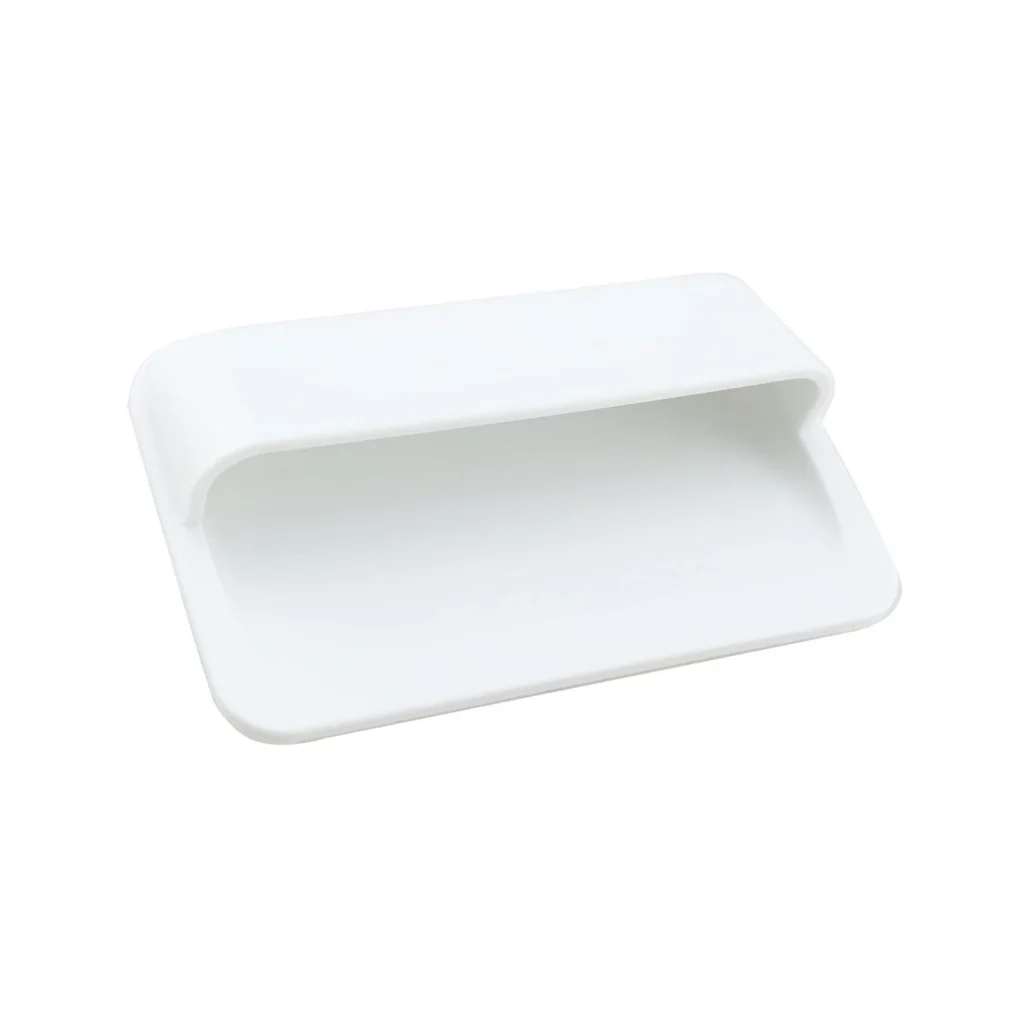
Most dryer door handles fail between 8-12 years, but I've seen them crack in half after just 3 years. The difference? How you treat them daily. That Frigidaire door handle on your GLEQ642AS2 or FDE336RES2 takes more abuse than you think — 3-5 pulls per load, 5-8 loads per week, that's over 2,000 stress cycles annually on a small piece of plastic.
The 131644700 door handle is a straightforward plastic component, but it's also the most-touched part of your dryer. Every yank, every slam, every time someone pulls it while the door's stuck on laundry — that's wear accumulating in the mounting points.
How Long Should It Last?
Under normal use, expect 10-15 years from a quality replacement handle like the 131644700. But "normal use" is key here. If you're loading commercial-sized batloads or you've got teenagers who treat the dryer door like it owes them money, cut that estimate in half.
The plastic compound in these handles is designed for residential duty cycles — roughly 8-10 loads per week. Double that frequency and you're accelerating fatigue at the stress points where the handle mounts to the door panel.
Environmental factors matter too. Dryers in humid basements or unheated laundry rooms see more handle failures. The plastic becomes brittle in cold temperatures and can warp slightly in high humidity, both conditions weakening the mounting tabs over time.
Signs It's Wearing Out
Door handles don't fail suddenly (usually). Watch for these warning signs:
Visible Stress Cracks
Check the mounting points where the handle connects to the door. Fine hairline cracks here are your first warning. Hold a flashlight behind the handle and look for light showing through spots that should be solid plastic. These stress fractures typically start at the top mounting hole and work their way down.
If you see whitening or discoloration around the screw holes, that's the plastic deforming under repeated stress. It means the mounting tabs are losing structural integrity.
Loose or Wobbly Feel
A new handle should feel solid when you pull. If yours has developed play or wobbles side-to-side, the mounting holes have enlarged from wear. This creates a feedback loop — the looseness allows more movement, which accelerates the wear, which makes it looser.
Don't just tighten the screws harder. Over-torquing is actually a leading cause of premature handle failure. You're trying to compensate for worn mounting points by crushing the plastic, which just creates new stress points.
Door Doesn't Latch Reliably
If your dryer door pops open mid-cycle or you have to slam it twice to get it to catch, the handle might be flexing enough to misalign the door catch. A worn handle can shift the door panel position by just 2-3mm — enough to cause latch problems.
Test this: close the door gently and see if it latches. If you have to pull the handle toward you while closing to get it to catch, the handle assembly is deformed.
When to Replace vs Maintain
Here's the honest truth: door handles don't respond to maintenance the way motor bearings or belts do. Once plastic is cracked or deformed, no amount of care will reverse it. But you can absolutely extend a good handle's life and prevent premature failure.
Replace immediately if:
- Any visible cracks, even hairline ones (they only get worse)
- Handle broke and you're using pliers to open the door (stop that)
- Mounting screw holes are stripped or elongated
- Handle has discolored or become brittle (UV damage or age)
Maintain and monitor if:
- Handle feels solid but you notice increased play
- Screws have loosened but holes are still intact
- Handle is relatively new (under 5 years) with no visible damage
The 131644700 replacement is $27.99 — cheap insurance compared to a broken handle that leaves you unable to access your dryer. Don't wait until it snaps off in your hand with a load of wet towels inside.
Frequently Asked Questions
Can I Use Super Glue on a Cracked Door Handle?
I don't recommend it. Super glue creates a rigid bond that doesn't flex with the handle's normal movement, so it'll crack again within days. If you must temporarily repair a crack, use a flexible epoxy rated for plastics and understand it's a short-term fix. The handle experiences significant torque forces — any adhesive repair is just buying time until you can install a proper replacement.
Why Does My Door Handle Keep Loosening?
Two common causes: either the mounting holes in the door panel have worn oversize (check the door itself, not just the handle), or you're using the wrong screw type. The 131644700 requires sheet metal screws with a specific thread pitch. Regular machine screws won't grip properly in the thin door panel metal. Also check that you haven't over-tightened previously — that can strip the holes.
Will This Handle Fit My Kenmore Dryer?
The 131644700 is compatible with many Frigidaire, Electrolux, Gibson, and Kenmore dryers that share the same door design. Check your model number against the compatibility list — it fits dozens of models including the GLEQ series and FDE series. The key is matching the mounting hole spacing (usually 3.5 inches center-to-center) and door panel thickness. If your current handle is white plastic with two mounting screws, there's a good chance this fits.
Element showing wear?
131644700 · Replace before it fully fails