
How to Extend Your LG Dishwasher Drain Pump Life — Maintenance Guide
Always disconnect power at the breaker before inspecting the drain pump. Standing water can conduct electricity, and 120V across wet metal is dangerous.
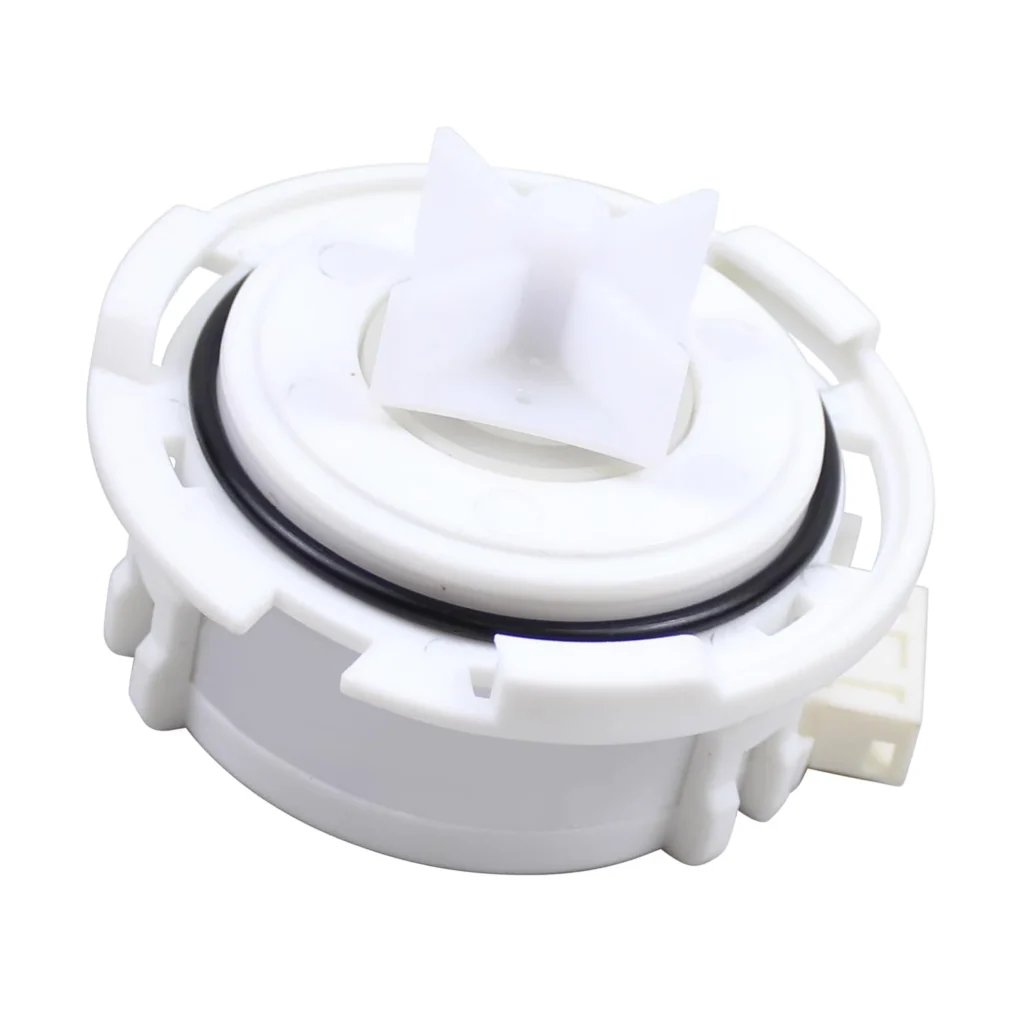
Here's something most people don't realize: the drain pump in your LG dishwasher (models like LDF5545SS, LDP6797ST, or LDFN4542W) should last 8-10 years, but most fail around the 5-year mark. The difference? A few simple maintenance habits that take maybe 10 minutes every month.
I've replaced hundreds of these drain pump assemblies — part number ABQ75742501 — and the pattern is always the same. Someone calls saying their dishwasher won't drain, I arrive to find standing water and a pump that's grinding itself to death on food particles it should never have encountered in the first place.
How Long Should It Last?
Under normal conditions, your LG drain pump assembly should run strong for 8-10 years. That's roughly 3,000-4,000 wash cycles. But here's what kills them early:
- Hard water buildup — calcium deposits restrict impeller movement
- Food debris — even small particles wear down the impeller and seals
- Soap scum accumulation — creates resistance and overheats the motor
- Running empty cycles — sounds weird, but the pump needs water to stay lubricated
With proper care, you can push that lifespan to 12+ years. Without it? You're looking at replacement around year 4 or 5.
Signs It's Wearing Out
Your dishwasher will tell you when the pump's struggling — you just need to know what to listen for. These symptoms don't appear overnight; they develop gradually.
Water Not Draining from the Dishwasher Tub
This is the obvious one. You open the door after a cycle and there's standing water at the bottom. Sometimes it's an inch, sometimes it's several inches. Before you blame the pump, check your disposal connection and drain hose — I've driven out to dozens of service calls where the homeowner just had a kinked hose.
But if those are clear and you're still getting water pooling? The pump's impeller is probably clogged or the motor's lost power. On the ABQ75742501 assembly, the impeller sits right at the base — it's designed to handle small food particles, but not chunks.
Loud Grinding or Humming Noises During the Drain Cycle
One customer described it perfectly: "It sounds like someone threw gravel in there." That grinding noise? That's your impeller hitting debris or the motor bearings wearing out. A healthy pump makes a quiet whirring sound — you barely notice it.
The squealing noise is different. As one user asked: "My dishwasher squeals each time it pumps out water." That's usually the pump motor itself — bearings are shot or the seal's compromised. When you hear squealing, you're already past the maintenance phase. That pump needs replacement.
Leaks Around the Pump Area
Water pooling under your dishwasher? Check the pump housing first. The ABQ75742501 assembly includes gaskets that seal the pump to the tub. Over time, these gaskets compress and harden. Hard water accelerates this.
Small leaks start as dampness you might miss during a casual check. By the time you see actual water on your floor, the gasket's been failing for weeks. The frustrating part? You can't buy just the gasket — it only comes with the full pump assembly.
Error Codes or Indicators Related to Drainage Problems
LG dishwashers are pretty smart. If the control board detects the pump running but water not draining fast enough, it'll throw an error code. Common ones are OE (won't drain), FE (water overfill), or LE (motor locked).
Here's a diagnostic tip from the field: if the pump gets 120 volts when it's supposed to drain but doesn't run, the pump's dead. If it's not getting power, your control board's the problem. Simple voltage test tells you everything.
When to Replace vs Maintain
Be honest with yourself here. Maintenance extends life — it doesn't resurrect dead components.
Maintain if:
- Your dishwasher's under 5 years old
- You're not hearing grinding or squealing
- Drainage is just slightly slower than it used to be
- No visible leaks or cracks in the pump housing
Replace if:
- You've got consistent grinding or squealing noises
- Water's not draining at all, even after cleaning filters
- You see cracks in the pump case (part of the ABQ75742501 assembly)
- There's visible damage to the impeller when you inspect it
- The pump gets power but won't run
At $117.99 for the ABQ75742501 assembly, replacement isn't cheap. But neither is water damage to your kitchen floor. If you're on the fence, do the maintenance steps below first. Give it two weeks. If symptoms persist, it's time for a new pump.
Frequently Asked Questions
My dishwasher squeals each time it pumps out water — what will fix this?
That squealing sound means the drain pump motor bearings are failing or the seal's compromised. This isn't something you can maintain away — the pump motor itself is faulty and needs replacement. The good news is the ABQ75742501 assembly includes the entire pump housing, motor, and case, so one part fixes it all.
Can I buy just the gasket for the pump assembly?
No, unfortunately the gasket only comes integrated with the complete pump assembly (ABQ75742501). LG doesn't sell the seal separately. It's frustrating if you've just got a small leak, but the design means replacing the whole assembly when the gasket fails.
My dishwasher cycles but leaves water at the end — is the pump bad?
Not necessarily. First check if the pump's getting 120 volts when the unit's supposed to drain. If it's getting power but not running, yes — faulty pump. But if there's no power reaching the pump during the drain cycle, your control board's the culprit, not the pump. A simple multimeter test tells you which part to replace.
Element showing wear?
ABQ75742501 · Replace before it fully fails