
How to Extend Your Whirlpool Ice Maker Life — Maintenance Guide for 2198597
Always unplug the refrigerator or shut off the ice maker before cleaning or servicing. Water and electricity don't mix, and the 120V connection can shock you if you're working with wet hands.
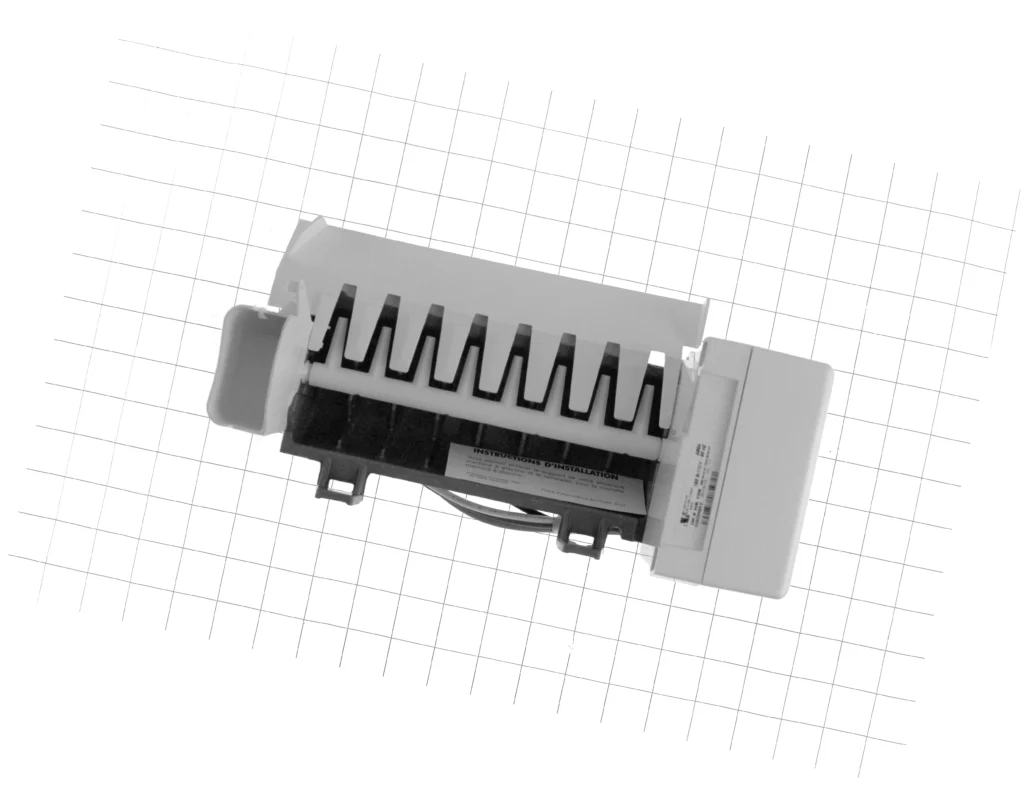
Most refrigerator ice makers should last 3–6 years, but yours might be dying at 18 months. The difference? Usually just a few minutes of maintenance every month. The 2198597 8-cube ice maker assembly—used in Whirlpool, KitchenAid, Kenmore, Maytag, and Jenn-Air models—is built solid, but it's working in one of the harshest environments in your kitchen: constant freeze-thaw cycles, mineral-laden water, and that annoying humidity every time you open the freezer door.
How Long Should It Last?
Under ideal conditions, the 2198597 ice maker should give you 4–7 years of reliable service. But "ideal" rarely happens in real kitchens. Hard water shaves years off that lifespan. So does irregular use—ice makers that sit idle for weeks then suddenly get hammered during summer actually wear out faster than ones used consistently.
The actuator arm (that little paddle that stops ice production when the bin's full) typically fails first. The heater element that loosens cubes comes second. The good news? Both failures give you warning signs, and both are preventable with minimal effort.
Models like the KitchenAid KSRX25FNST01, Whirlpool ED5NHAXNT02, and Kenmore 10657026603 all use this exact assembly. If you're getting 2–3 years and experiencing failures, you're leaving performance on the table.
Signs It's Wearing Out
Your ice maker telegraphs problems well before it dies completely. Catch these early, and you'll either fix them cheap or plan a replacement before you're stuck without ice during a holiday cookout.
Ice Maker Not Making Ice (But Everything Else Works)
The most common symptom. The freezer's cold, water dispenses fine, but zero ice production. Before you assume the worst, check the actuator arm—it might be stuck in the "off" position from ice buildup. Next, listen for the water inlet valve. You should hear a brief hum every 90 minutes or so when it's filling. No sound? The valve's likely clogged with mineral deposits.
This symptom also shows up when the heater element's failing. Ice forms but won't release, jamming the mechanism. You'll see partial cubes frozen to the mold tray.
Ice Maker Dispenses Too Little Ice
You're getting ice, but the cubes are smaller than they used to be, or production's dropped from 8 cubes per cycle to 4–5. This screams water supply restriction. Mineral buildup in the fill tube is the usual culprit, especially if you've got hard water. The ice maker's trying to work, but it's not getting enough water to fill the molds completely.
Don't ignore this. Undersized cubes mean the actuator arm might not trip properly, leading to overfilling attempts that can crack the housing.
Leaking Water Into the Ice Bin or Freezer Floor
Leaks point to either a cracked water inlet valve, a loose fill tube connection, or—worse—a crack in the ice mold itself from repeated freeze-thaw stress. If water's pooling under the ice maker, shut it off immediately. Continued operation with a leak can damage the freezer insulation and cost you hundreds in frost buildup repair.
On models like the Maytag MSD2658KES02, check where the fill tube connects to the back of the assembly. That's a common leak point after 3+ years.
When to Replace vs Maintain
Here's the honest decision framework: if your ice maker's under 4 years old and showing one symptom, maintain it. If it's past 5 years with multiple symptoms, replacement's probably smarter than sinking time into piecemeal fixes.
However, if you're experiencing "ice maker won't start" and the unit's otherwise fine, that's often just a jammed actuator arm or a tripped control board—both fixable in 10 minutes. As one user noted: "Removed 4 screws, pulled old part out, put new part in reverse of removal. Easy repair. Anyone with basic skills can do this." Replacement takes 15–30 minutes with a screwdriver and nutdriver.
Calculate it: a service call runs $150–250. The 2198597 replacement is $108.99. If you can't fix it yourself in one attempt, replacement's the move. But if you catch wear early through maintenance, you'll likely never face that choice.
One exception: if the leaking symptom involves a cracked mold housing, don't bother with repair. Water damage spreads fast. Replace it.
Frequently Asked Questions
How often should I clean the ice maker to prevent mineral buildup?
Every 3–6 months depending on your water hardness. If you've got a water softener, you can stretch to 6 months. Hard water areas? Every 3 months minimum. Unplug the unit, remove the ice bin, and flush the fill tube with a 50/50 vinegar-water solution. Let it sit 15 minutes, then flush with clean water. This dissolves mineral deposits before they choke water flow or jam the mechanism.
Can I reuse parts when replacing the 2198597 ice maker assembly?
Yes—specifically the bottom bracket. Installation notes confirm: "Reuse bottom bracket from the original icemaker and attach to the new." This bracket's specific to your fridge model and ensures proper alignment. The new assembly doesn't include it because bracket designs vary. Don't skip this step or your ice maker might sit crooked, causing alignment issues with the actuator arm.
Why does my ice maker work sometimes but not others?
Intermittent operation usually means either a failing thermostat (the sensor that tells the maker it's cold enough to freeze water) or a sticky actuator arm. Temperature fluctuations from frequent door opening can also cause this—the maker needs consistent sub-zero temps. Check that your freezer's maintaining 0°F or below. If temps are swinging 5–10 degrees, you've got a bigger problem than the ice maker.
Element showing wear?
2198597 · Replace before it fully fails