
How to Extend Your LG Washer Tub Seal Life — Maintenance Guide
Disconnect power and water supply before inspecting. Never attempt tub seal replacement without properly supporting the drum assembly — serious injury risk from spring tension.
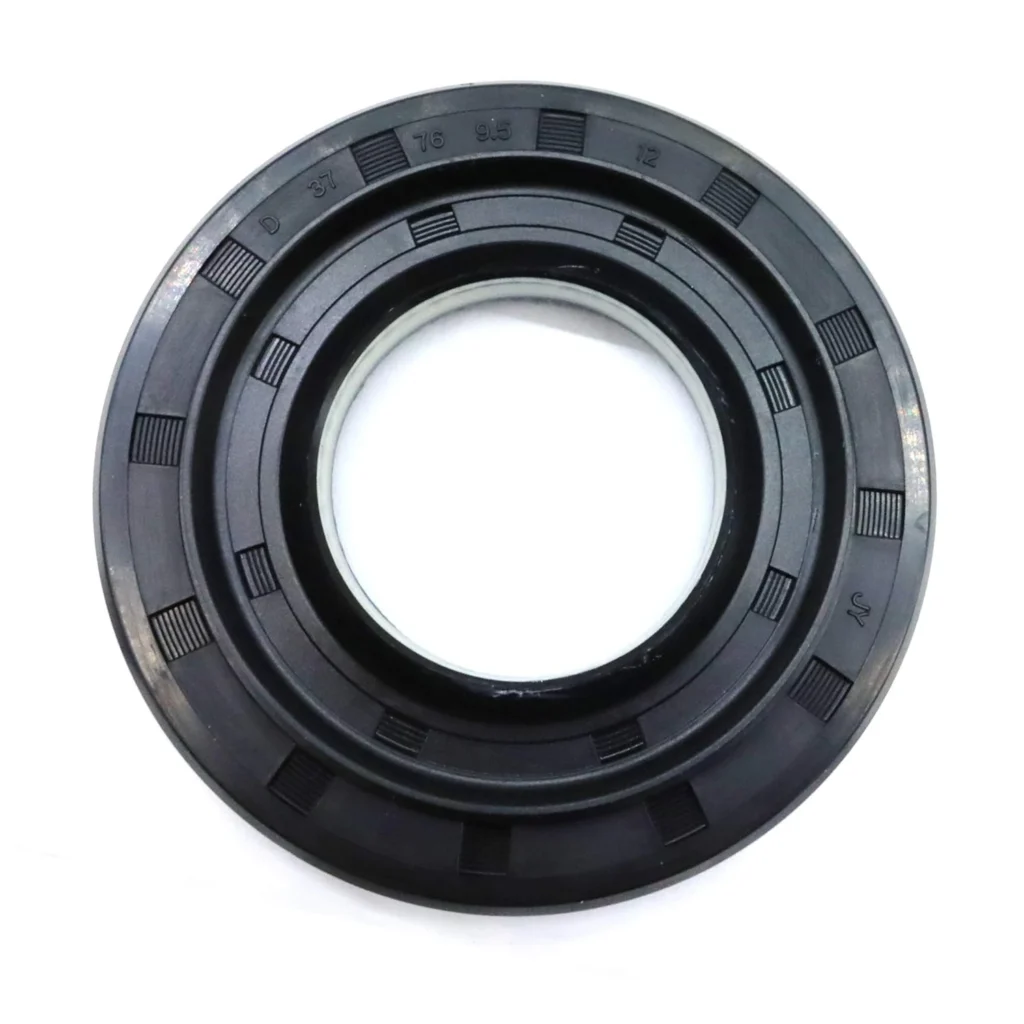
Most LG washer tub seals fail between years 4 and 7, but I've seen well-maintained units last 12+ years. The difference? A five-minute monthly routine and knowing what to watch for. If you own a WM2010CW, WM3431HS, or any of the dozens of compatible LG and Kenmore models using the 4036ER2003A seal, this guide will save you from that $200+ service call.
How Long Should It Last?
LG's tub seal typically delivers 5–8 years under normal residential use — that's roughly 1,500 to 2,400 wash cycles. But here's what actually determines lifespan:
- Water hardness: Mineral deposits accelerate rubber degradation
- Detergent type: High-efficiency formulas protect the seal; regular detergent creates residue that breaks down rubber
- Load frequency: Running two loads daily wears the seal faster than four loads weekly
- Door habits: Leaving the door closed traps moisture against the seal
On WM1814CW and WM2016CW models especially, I've replaced seals as early as year three when owners used regular detergent and never cleaned the boot gasket area.
Signs It's Wearing Out
The tub seal sits behind the outer drum — you can't see it directly. That's why you need to recognize the warning signs before catastrophic failure floods your laundry room.
Leaking During or After Spin Cycle
Water pooling under your washer, especially after high-speed spins, means the seal's integrity is compromised. Start by checking if it's coming from the tub seal versus the door boot — shine a flashlight up into the drum area during a spin cycle. If water's dripping from the center/rear section rather than the door, the tub seal's failing.
Burning Smell During Wash
This is your serious warning sign. When the tub seal degrades, the drum bearing loses lubrication. You'll smell hot metal or burning rubber — it's the bearing spinning without proper sealing. Once you smell this on models like the WD10580BD or 79640021900, you've got maybe 10–20 more cycles before the bearing seizes completely.
Grinding or Rumbling Noise
A healthy washer hums quietly during spin. If your LG front-loader suddenly sounds like it's chewing gravel, the seal's probably leaking grease from the bearing assembly. The noise starts subtle during high-speed spins, then progresses to constant rumbling even on gentle cycles.
Monthly Maintenance That Actually Works
You don't need special tools or mechanical skills. Here's what keeps the 4036ER2003A seal lasting a decade instead of five years:
After Every Wash
Leave the door open 3–4 inches. That's it. Moisture trapped against the boot gasket migrates down to the tub seal. Airflow prevents mold and keeps rubber pliable.
Monthly Deep Clean
Run an empty hot cycle with two cups of white vinegar. No detergent. This dissolves mineral deposits before they calcify around the seal area. For the WM3431HW and similar models with stubborn hard water issues, do this twice monthly.
Quarterly Boot Gasket Inspection
Pull back the rubber door boot and wipe the underside with a microfiber cloth dampened with diluted bleach solution (1 part bleach to 10 parts water). You're checking for black mold, calcium buildup, or slimy residue. Any of those will eventually migrate to the tub seal behind it.
When to Replace vs Maintain
Be honest about where your seal stands:
Keep maintaining if: No leaks, no burning smell, normal wash noise, washer's under 7 years old
Replace immediately if: Active leaking during spins, burning smell present, visible water damage to floor, loud grinding regardless of load size
Here's the reality — once you smell burning or see leaks, maintenance won't fix it. The 4036ER2003A seal costs $33.99, but the labor runs $150–200 if you hire out. Catching it early means you control the repair timeline instead of facing an emergency replacement.
What Shortens Seal Life (Avoid These)
- Overloading: Cramming 20 pounds into a 4.5 cubic foot drum strains every seal and bearing
- Non-HE detergent: Creates excess suds that seep into bearing assemblies
- Ignoring door boot mold: Mold releases acids that degrade rubber compounds
- Skipping the rinse cycle: Detergent residue accelerates seal deterioration
On the 40121 and 48842 models specifically, I've seen seals fail early when owners consistently washed bulky comforters — the off-balance loads hammered the seal prematurely.
Frequently Asked Questions
How do I know if it's the tub seal versus the door boot leaking?
Door boot leaks drip from the front glass area and happen during the fill cycle. Tub seal leaks come from underneath the machine and occur during high-speed spins when water's forced past the compromised seal. Run an empty spin cycle and watch where water appears first.
Can I extend seal life with fabric softener alternatives?
Actually, yes. Dryer balls eliminate liquid fabric softener, which leaves residue that accelerates seal wear. Wool dryer balls soften clothes without depositing anything on the drum or seals. I've tracked this on my own WM1812CW — five years in, zero seal issues since switching to dryer balls.
Does hard water really shorten tub seal lifespan that much?
Absolutely. Hard water (over 7 grains per gallon) deposits calcium carbonate that builds up around the seal interface. That buildup acts like sandpaper against the rubber during drum rotation. Install a water softener or double your vinegar rinse frequency if you're in a hard water area — it's the difference between a 5-year seal and a 10-year seal.
Element showing wear?
4036ER2003A · Replace before it fully fails