
How to Extend Your GE Dishwasher Water Inlet Valve Life — WD15X26078 Maintenance Guide
Always shut off water supply to the dishwasher before removing or servicing the inlet valve. Keep a towel ready — residual water in the line will drain out when you disconnect the supply hose.
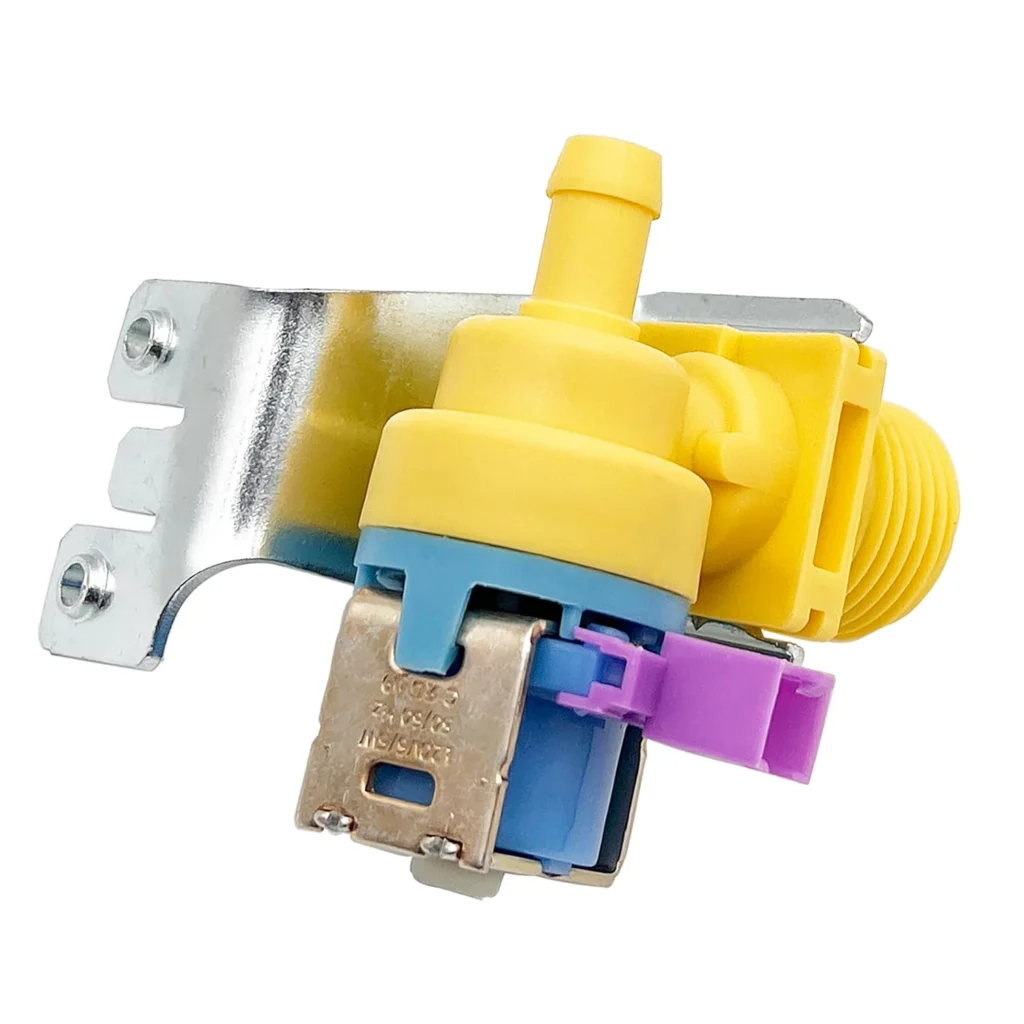
Most dishwasher water inlet valves fail between years 5 and 7, but the WD15X26078 can push past 10 years with basic preventive care. The problem? Most people don't realize this $24 part is working overtime — opening and closing under water pressure 300+ times a year while battling hard water deposits and sediment buildup.
This valve controls water flow into your GE, Haier, or Hotpoint dishwasher on models like the GDF630PGM4WW, GDT635HSM4SS, and GDP665SYN2FS. When it starts going, you'll know — either your dishwasher won't fill at all, or it'll keep filling until water's pooling on your floor.
How Long Should Your Water Inlet Valve Last?
Under normal conditions with moderately hard water, you're looking at 7–9 years. If your home has a water softener and you stay on top of the filter screens, you can stretch that to 12 years or more.
What kills these valves early:
- Hard water scale — calcium builds up on the solenoid coils and restricts the valve mechanism
- Sediment damage — sand, rust particles, and mineral chunks jam the valve seat
- Inlet screen clogs — the tiny mesh filters on the valve inlet get packed solid, forcing the valve to work harder
- Power surges — voltage spikes can fry the solenoid coils instantly
Here's the thing: most inlet valve failures are actually screen clogs that people mistake for valve failure. Clean those screens every 6 months and you'll double the valve's working life.
Signs Your WD15X26078 Is Wearing Out
Water inlet valves don't just quit overnight. They give you warnings — you just need to recognize them.
Dishwasher Takes Forever to Fill
If your wash cycle used to start within 60 seconds but now you're waiting 3–4 minutes before you hear water, the valve's inlet screens are partially blocked. The valve's opening properly, but water's trickling through a clogged filter instead of flowing freely. Pull those screens and check them under a light — you'll probably see a layer of sediment.
Intermittent Filling or No Fill at All
The valve clicks but nothing happens, or water flows for 10 seconds then stops. This usually means the solenoid coils are weak. They're still getting power, but the magnetic field isn't strong enough to fully open the valve against water pressure. This happens as the copper windings inside oxidize over time.
Water Leaking from the Valve Body
Small drips from the inlet connections or valve seams mean the internal rubber diaphragm is cracking. Once that diaphragm loses flexibility from years of hot water exposure and pressure cycles, it can't seal properly anymore. There's no fix for this — you need a new valve.
Dishwasher Overfills or Won't Stop Filling
This is the scariest symptom because it can flood your kitchen. The valve's stuck open, either because sediment jammed the mechanism or the solenoid failed in the open position. If you catch this happening, shut off the water supply to your dishwasher immediately at the shutoff valve under your sink.
When to Replace vs Maintain
Here's how to decide: if cleaning the inlet screens fixes your problem, keep maintaining the valve. If the valve's leaking, making buzzing noises, or still acting up after you've cleaned everything, replacement's your only option.
You can't rebuild these valves — they're sealed units. But you can prevent most failures:
- Clean inlet screens every 6 months (takes 5 minutes)
- Install a whole-house or under-sink water filter if you have sediment issues
- Check supply line connections annually for corrosion
- If you're replacing the valve, replace the supply line at the same time — they're usually the same age
The WD15X26078 works on dozens of GE models from the GDF510PGM4BB to the GDT530PGP5BB. It's a direct replacement for AP6986683 and PS16217027, which means you're getting the exact same part the factory installed.
Frequently Asked Questions
Can I clean the inlet screens without disconnecting the valve?
No, you need to shut off water, disconnect the supply line, and pull the screens out from the valve inlet ports. Use an old toothbrush and vinegar to dissolve mineral buildup. Rinse thoroughly before reinstalling — any loose sediment will go straight into your dishwasher.
Will a water softener prevent inlet valve problems?
It'll reduce scale buildup significantly, but it won't stop sediment from your pipes. If your home has older plumbing, you might still get rust particles and pipe scale breaking loose. A whole-house sediment filter before your softener catches that stuff before it reaches your appliances.
How do I test if my water inlet valve is actually bad?
Disconnect power, pull the valve, and test the solenoid coils with a multimeter. You should read 500–1500 ohms across each coil. Infinite resistance means the coil's open (dead). Zero resistance means it's shorted. Anything in range means the coil's fine — look for mechanical problems like a jammed valve seat or damaged diaphragm instead.
Element showing wear?
WD15X26078 · Replace before it fully fails