
How to Extend Your Frigidaire Evaporator Fan Motor Life — Maintenance Guide
Always disconnect power before accessing the evaporator fan motor. Wait 5 minutes after unplugging to allow capacitors to discharge.
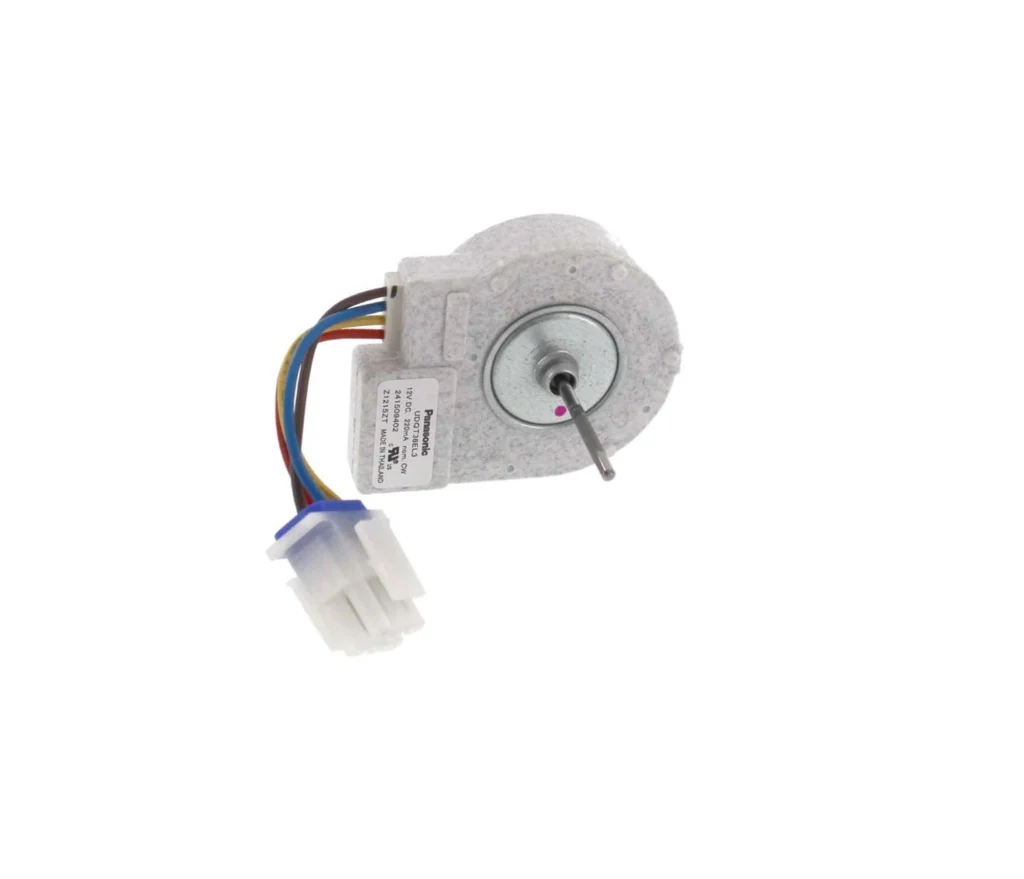
Here's something most people don't know: the evaporator fan motor in your Frigidaire should last 8-12 years, but most fail around year 5. The difference? Maintenance. I've replaced hundreds of these motors in models like the FPHB2899PF2 and FGHN2866PF0, and the ones that lasted longest had owners who paid attention to a few simple things.
This motor runs constantly when your compressor is on — sometimes 18-20 hours a day in hot weather. It's circulating air across those freezer coils, and when it starts wearing out, you'll notice your fridge getting warmer before you hear any noise.
How Long Should It Last?
A quality evaporator fan motor like the 241509402 is designed for 10-15 years of operation under ideal conditions. But ideal conditions don't exist in most kitchens.
Here's what actually affects lifespan:
- Ice buildup: When frost accumulates on the fan blades, the motor works harder. This is the #1 killer I see.
- Dust on condenser coils: Makes your compressor run longer, which means your fan motor runs longer.
- Door seal condition: Bad seals let warm air in, creating more frost and longer run times.
- Ambient temperature: A fridge in a hot garage works twice as hard as one in an air-conditioned kitchen.
With proper maintenance, you can push that motor well past 12 years. Without it, you're looking at replacement around year 5-6.
Signs It's Wearing Out
The evaporator fan motor doesn't just die overnight. It gives you warnings, but they're easy to miss if you don't know what to listen for.
Fridge and Freezer Are Too Warm
This is usually the first symptom, and people assume it's the compressor. What's actually happening: the fan motor is running sluggishly or intermittently, so cold air isn't circulating properly. Your freezer might still feel cold near the coils, but the fridge section above it is 45°F instead of 37°F.
Check this: open your freezer door and listen. You should hear a fan running. If it's silent, or if it stops immediately when you open the door, that's your clue.
Unusual Noises
A healthy evaporator fan sounds like a gentle whoosh — barely noticeable. When bearings start wearing out, you'll hear:
- Squealing or squeaking (dry bearings)
- Grinding or rattling (worn bearing races)
- Intermittent clicking (motor trying to start)
The noise often gets worse right after a defrost cycle, when the motor is trying to spin up with slightly damp bearings.
Ice Buildup in Wrong Places
If your motor isn't moving air properly, you'll get frost in weird spots — along the back wall of the fridge, around the air vents, or completely blocking the evaporator coils. One customer told me his ice maker stopped working because the water line froze solid due to poor air circulation from a failing fan.
Maintenance Schedule That Actually Works
I'm going to be honest: most maintenance schedules are either too complicated or too vague. Here's what actually prevents problems, based on 20 years of seeing what works.
Every 3 Months: Check for Ice Buildup
Remove everything from your freezer and look at the back panel where the evaporator coils are. You should see minimal frost — maybe a light dusting. If there's a thick layer of ice, something's wrong with your defrost system, and your fan motor is working overtime.
While you're in there, listen to the fan. Stick a butter knife or similar object into the door switch hole to keep the light and fan running with the door open. That whirring sound should be smooth and consistent.
Every 6 Months: Clean Condenser Coils
This seems unrelated, but clean condenser coils reduce how long your compressor runs, which directly reduces how long your evaporator fan runs. Pull the fridge out, vacuum the coils underneath or behind the unit. Five minutes of work adds years to your motor.
Annually: Test Door Seals
Close the door on a dollar bill. If you can pull it out easily, your seal is weak. Weak seals let humid air in, which creates frost, which makes your fan work harder. Replace bad seals before they kill your motor.
When to Replace vs Maintain
Here's the decision framework I use:
Replace if:
- The motor makes grinding noises continuously
- It doesn't spin at all, even after defrosting
- Your fridge has been too warm for more than a week (food safety issue)
- You see error codes related to fan operation
One user replaced their motor after their fridge was out for "a couple of weeks" — don't wait that long. Once you've lost a freezer full of food, the $64.99 motor seems like a bargain.
Maintain if:
- You hear occasional squeaking that goes away
- There's ice buildup but the motor still runs
- Cooling is slightly reduced but not critical
For intermittent issues, manually defrost the freezer completely, clean any ice off the fan blades, and see if that solves it. Sometimes that buys you another year or two.
The "Modifications" Problem
One reviewer mentioned having to make "extensive modifications to the mount and wiring" because they ordered the wrong part. This happens more than it should. The 241509402 replaces 241509401, but some older models have slightly different mounting brackets.
Before you order, check your model number against the compatibility list. For Frigidaire models like DGHS2634KP3, DGUS2635LP2, and FGUN2642LF1, this motor is a direct fit. If you've got an older Kenmore or Crosley, verify the mounting style matches.
What Kills These Motors Fastest
After 20 years, I can tell you the top three motor killers:
- Ice-locked blades: Fan tries to spin, can't, motor burns out. Usually happens overnight.
- Running dry during defrost: When ice melts and drips onto hot motor windings, it creates short circuits.
- Overstuffed freezer: Blocks airflow, forces the motor to work against restricted air, burns out bearings.
All three are preventable with basic maintenance.
Frequently Asked Questions
How Often Should the Evaporator Fan Run?
It should run whenever the compressor runs — typically 15-20 minutes out of every hour in normal conditions. If you hear it running constantly for hours, something's wrong with your thermostat or defrost system. If it never runs, the motor or control board has failed.
Can I Lubricate the Motor to Make It Last Longer?
No. These are sealed bearing motors — there's no way to add lubricant without disassembling the motor, and at that point you're better off replacing it. Any oil you drip into the housing will just attract dust and make things worse. If it's squeaking, it's already too late for lubrication.
Will a Failing Motor Increase My Electric Bill?
Absolutely. A motor that's struggling pulls more current and runs longer to maintain temperature. I've seen electric bills drop $15-20/month after replacing a failing evaporator fan motor. The motor itself only draws about 10 watts when healthy, but a failing one can pull 3-4 times that while also forcing your compressor to run longer.
Element showing wear?
241509402 · Replace before it fully fails