
How to Extend Your Samsung Dryer Thermal Fuse Life — Maintenance Guide
SAFETY WARNING: Always unplug dryer before any inspection. Never bypass a thermal fuse — it prevents fires. If fuse has blown, you MUST find and fix the cause before replacing it.
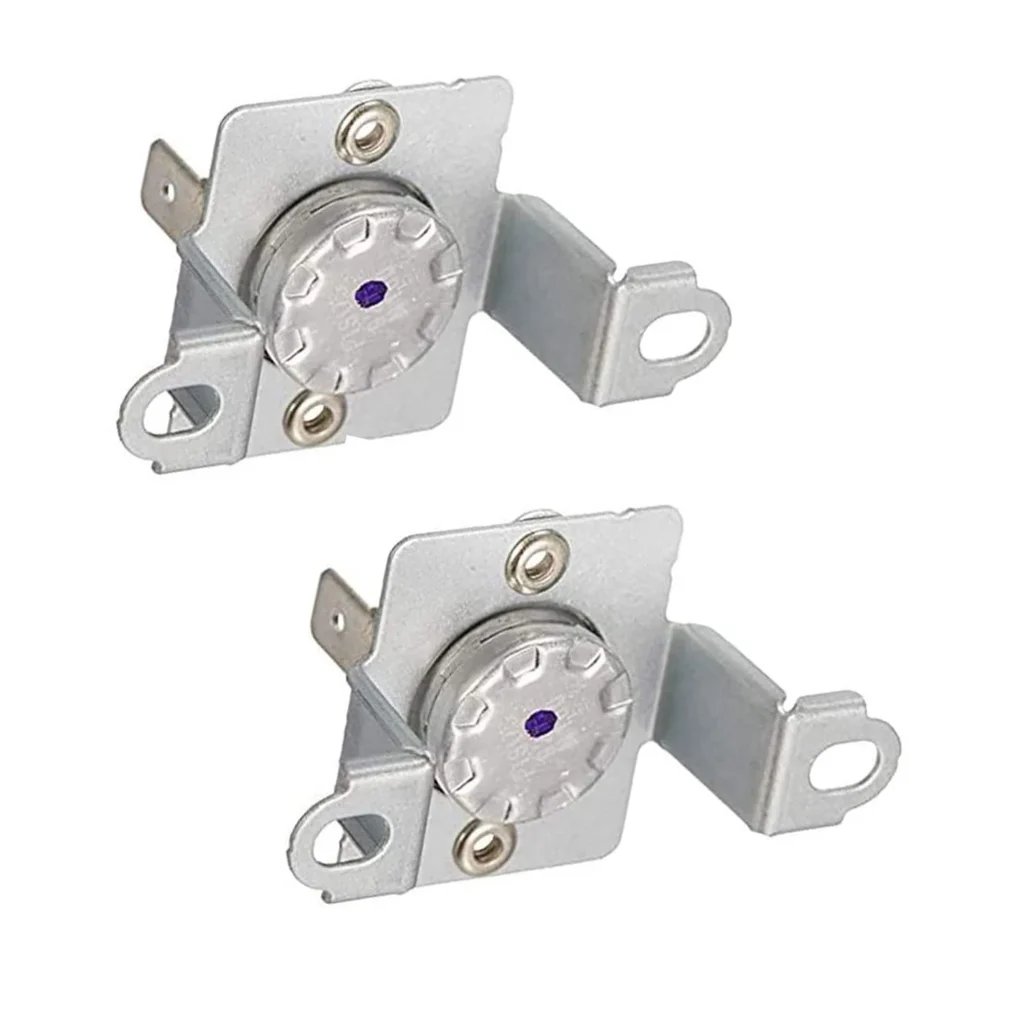
Here's something most Samsung dryer owners don't realize: the DC96-00887A thermal fuse assembly isn't designed to wear out gradually. It's a safety device that blows once when your dryer overheats — and then it's done. One customer wrote to us recently: "Dryer work fine except it longer heated up" — that single sentence describes the exact moment their thermal fuse sacrificed itself to prevent a fire.
The irony? Most thermal fuse failures are completely preventable. This isn't a part that needs maintenance in the traditional sense. Instead, you need to maintain everything around it so it never has to do its job.
How Long Should It Last?
Under normal conditions, your DC96-00887A should last the entire lifespan of your dryer — 10 to 15 years, sometimes longer. It's rated to blow at a specific temperature threshold (usually around 185°F), which your dryer should never reach during normal operation.
When thermal fuses fail early, it's always because something else went wrong first. The fuse did exactly what it's supposed to do: prevent a fire by cutting power when temperatures spiked. Models like the DV42H5000EW/A3, DV45H7000EW/A2, and DV48H7400EW/A2 all use this same assembly, and they all fail for the same preventable reasons.
Here's what affects lifespan:
- Lint buildup — blocks airflow, causing heat to build up around the fuse location
- Restricted exhaust venting — creates back pressure and raises internal temperatures
- Blocked blower wheel — reduces air circulation through the drum
- Failed heating element cycling — can cause temperature spikes
- Running the dryer empty — clothes absorb heat; without them, temperatures climb faster
Signs It's Wearing Out
This is where thermal fuses are different from most parts: there are no warning signs. The fuse doesn't gradually fail or give you hints. It works perfectly until the moment it doesn't.
What you can watch for are the conditions that will eventually blow the fuse:
Longer Drying Times
If loads that used to take 40 minutes now take an hour or more, your dryer is struggling with airflow. The heating element runs longer, temperatures climb higher, and you're putting stress on the thermal fuse. This is your early warning system.
Dryer Cabinet Gets Unusually Hot
Touch the top of your dryer during a cycle. It should be warm, not hot. If you can't comfortably keep your hand there for more than a few seconds, internal temperatures are too high. The thermal fuse is likely experiencing temperatures close to its trip point.
Musty Smell During Operation
This usually means lint is accumulating inside the dryer cabinet or in the exhaust vent. That lint is insulating components and trapping heat right where the thermal fuse sits. You're playing with fire — sometimes literally.
Preventive Maintenance Schedule
Since you can't maintain the fuse itself, focus on keeping your dryer's temperature in the safe zone:
After every load: Clean the lint screen completely. Not just a quick swipe — pull out all the lint, check the screen for fabric softener buildup (it looks like a thin film), and wash it with warm soapy water once a month.
Monthly: Pull the dryer away from the wall and disconnect the exhaust duct. Inspect it for lint accumulation and restricted areas. If it's a flexible vinyl or foil duct, replace it with rigid metal — those flexible types are lint traps and fire hazards.
Every 6 months: Vacuum around and under the dryer. Remove the front panel (just a few screws on most Samsung models) and vacuum out the blower wheel housing and around the heating element. You'd be shocked how much lint gets past the screen.
Annually: Have your exterior vent inspected and cleaned. Even if the duct looks clear inside your house, birds' nests, lint buildup at the exterior vent, or a stuck flapper can create back pressure that raises internal temperatures.
When to Replace vs Maintain
If your thermal fuse has already blown (the dryer won't heat but otherwise runs normally), there's no "maintaining" it back to life. It's a one-time safety device. You replace it, period.
Before installing the new DC96-00887A assembly, you must find out why it blew. Installing a new fuse without fixing the underlying cause is like replacing a fire alarm battery after ignoring the smoke. Common culprits:
- Clogged exhaust vent (80% of cases)
- Lint buildup in the blower housing
- Failed cycling thermostat causing temperature spikes
- Heating element cycling too frequently
- Operating the dryer with no exhaust vent attached
Check your exhaust vent first — most thermal fuse failures trace back to restricted airflow. On models like the DV40J3000EW/A2 and DV42H5200EW/A3, the vent connection is at the bottom rear. Make sure it's not crushed where the dryer sits against the wall.
The Real Cost of Ignoring Maintenance
The DC96-00887A assembly costs $56.99. Professional dryer vent cleaning runs $100-150. A house fire caused by a dryer costs... well, you see where this is going.
Most thermal fuse failures happen because owners skip the boring maintenance stuff. Clean the lint screen, sure — everybody does that. But the vent? The blower housing? That's where the real problems hide.
Here's your reality check: if you haven't cleaned your dryer vent in over a year, you're probably due. If you've never cleaned it, you're overdue. And if you don't even know where your exterior vent is, find it this weekend.
Frequently Asked Questions
Can I Test If My Thermal Fuse Is Going Bad Before It Blows?
Not really. Unlike thermostats that can drift out of calibration, thermal fuses are either good (continuity test shows continuity) or blown (no continuity). There's no "getting weak" phase. However, if you notice your dryer running hotter than normal, test the cycling thermostat and high-limit thermostat — they regulate temperature before it reaches the fuse's trip point.
Will a Blown Thermal Fuse Cause Other Parts to Fail?
No, it's usually the opposite. Other failed parts (or maintenance neglect) cause conditions that blow the thermal fuse. Once the fuse blows, power to the heating element stops, which actually protects other components. If you're replacing multiple parts at once, the thermal fuse probably failed trying to protect a system that was already overheating from another issue.
Do I Need to Replace the Entire Assembly or Just the Fuse?
The DC96-00887A is sold as a complete assembly because the thermal fuse is integrated with the mounting bracket and wiring harness for models like the DV448AEW/XAA and DV393ETPAWR/A1. While technically you could cut and splice just the fuse portion, you'd void any warranty and create a potential safety issue. For $56.99, replace the whole assembly — it takes 15-30 minutes with basic tools (nutdriver, screwdrivers, pliers) and gives you a fresh start with all new connections.
Element showing wear?
DC96-00887A · Replace before it fully fails