
How to Replace 137412601 Shock Absorber on Frigidaire Electrolux Washer — Step-by-Step
Unplug washer completely before starting. Get help tilting the washer — front-load machines are heavy and awkward. Shock absorbers may be under tension.
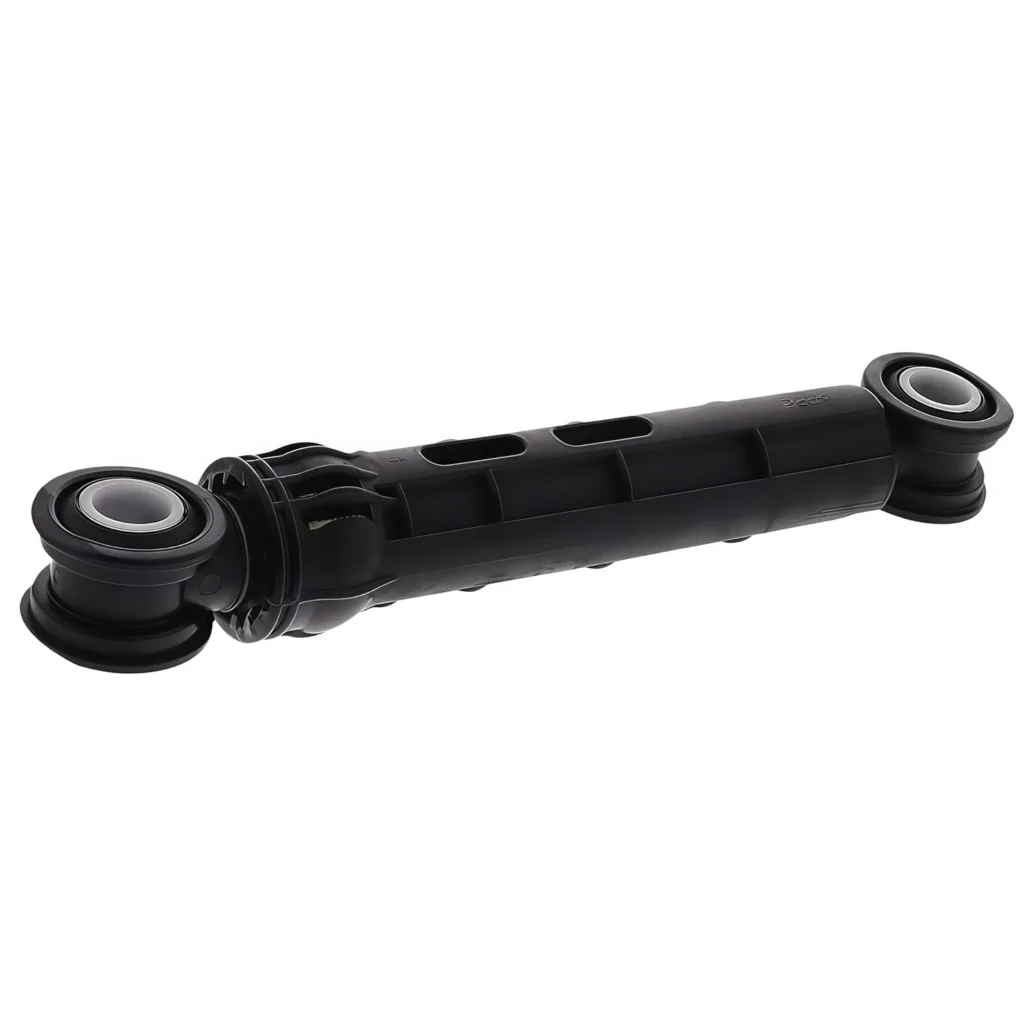
Your Frigidaire or Electrolux washer sounds like it's trying to walk across the laundry room during the spin cycle. That violent shaking isn't normal — it's usually a worn shock absorber that's stopped doing its job. The 137412601 shock absorber (also listed as AP6031110, 4451632, or PS11765900) is what keeps your washer drum stable during high-speed spins. When it fails, you'll know immediately.
What You Need Before Starting
This repair takes about 45 minutes to an hour, depending on your washer model. Here's what you'll need:
- 10mm socket wrench or nut driver
- Flathead screwdriver
- Towels (to protect your floor and catch any residual water)
- Work gloves
- Replacement 137412601 shock absorber
Difficulty: Moderate — You'll need to tilt the washer, but the actual swap is straightforward.
Time: 45-60 minutes
Safety First
Unplug your washer completely before starting this repair. Front-load washers are heavy and awkward to maneuver, so get someone to help you tilt it if possible. The shock absorbers are under tension even when removed, so handle them carefully. There may be residual water in the drum — those towels aren't optional.
Step 1: Access the Bottom of the Washer
Pull your washer away from the wall and disconnect the power. Turn off the water supply and disconnect the inlet hoses. You'll need to tilt the washer back against the wall or carefully lay it on its back (front panel facing up) to access the shock absorbers underneath. Slide those towels under the washer to protect your floor. The shock absorbers are mounted between the outer tub and the base frame — you'll see them once you're looking up from underneath.
Step 2: Locate and Remove the Failed Shock Absorber
Washers typically have two or four shock absorbers depending on the model. Look for the one that's leaking fluid, has a damaged boot, or shows visible wear. Each shock has a mounting bolt at the top (connecting to the tub) and bottom (connecting to the base). Use your 10mm socket to remove the lower mounting bolt first, then the upper one. The shock might be under slight tension, so support it as you remove the second bolt. Some models use a push-pin style connection — if yours does, you'll compress the retaining tab with a flathead screwdriver and pull the shock free.
Step 3: Install the New 137412601 Shock Absorber
Compare your old shock to the new 137412601 to confirm you've got the right part. The new shock should match the mounting style and length exactly. Start by attaching the upper mount to the tub bracket, threading the bolt but not tightening it completely yet. Then align the lower mount to the base frame and secure that bolt. Once both ends are in place, tighten both mounting bolts firmly — you want these snug but don't overtighten and strip the threads. If you found more than one failed shock, replace them in pairs to keep the washer balanced.
Step 4: Return the Washer to Position
Carefully lower the washer back to its normal position. Reconnect your water supply hoses and plug the power back in. Push the washer back into place, leaving enough room for hoses and proper ventilation. Give everything a visual check — make sure no hoses are kinked and the drain line is secure.
Testing After Installation
Run an empty spin cycle first to verify the installation. Listen for any unusual noises and watch for excessive movement. A properly installed shock absorber should eliminate that violent shaking you were experiencing. The washer should stay firmly planted during the spin cycle — maybe a slight vibration, but nothing like before. If you still notice shaking, check that all mounting bolts are tight and that you didn't miss a second failed shock on the other side.
Frequently Asked Questions
How do I know if my washer shock absorber is bad?
The most obvious sign is violent shaking and movement during the spin cycle, especially when the load is unbalanced. You might also hear loud banging sounds as the drum hits the cabinet. If you can access the shocks, look for fluid leaks, torn rubber boots, or visible damage to the shock body. A good shock should have firm resistance when compressed — if it moves too easily or feels completely loose, it's done.
Can I replace just one shock absorber or do I need to do both?
You can technically replace just one, but it's smarter to replace them in pairs. Shock absorbers wear at similar rates, so if one failed, the other isn't far behind. Replacing both ensures balanced support for the tub. Some Electrolux and Frigidaire models like the EFLS517SIW0 or EFLW417SIW0 have four shocks — if that's your model, assess all four but at minimum replace both on the same side.
Will a bad shock absorber damage other parts of my washer?
Absolutely. When shock absorbers fail, the excessive drum movement can damage suspension springs, wear out tub bearings prematurely, and even crack the outer tub or cabinet. That banging you hear is metal hitting metal — nothing good comes from that. The violent shaking can also loosen electrical connections and damage the control board. Replace failed shocks quickly to avoid a simple $36 repair turning into a $300+ problem.
Replace shock absorbers in pairs to maintain balanced tub support. Check all shocks while you have access — if one failed, others are likely worn too.
Need the part for this repair?
137412601 · In Stock · Ships next business day