
How to Extend Your GE Refrigerator Water Valve Life — Maintenance Guide
Always disconnect power and turn off water supply before inspecting valve. Water pressure can cause spray injuries.
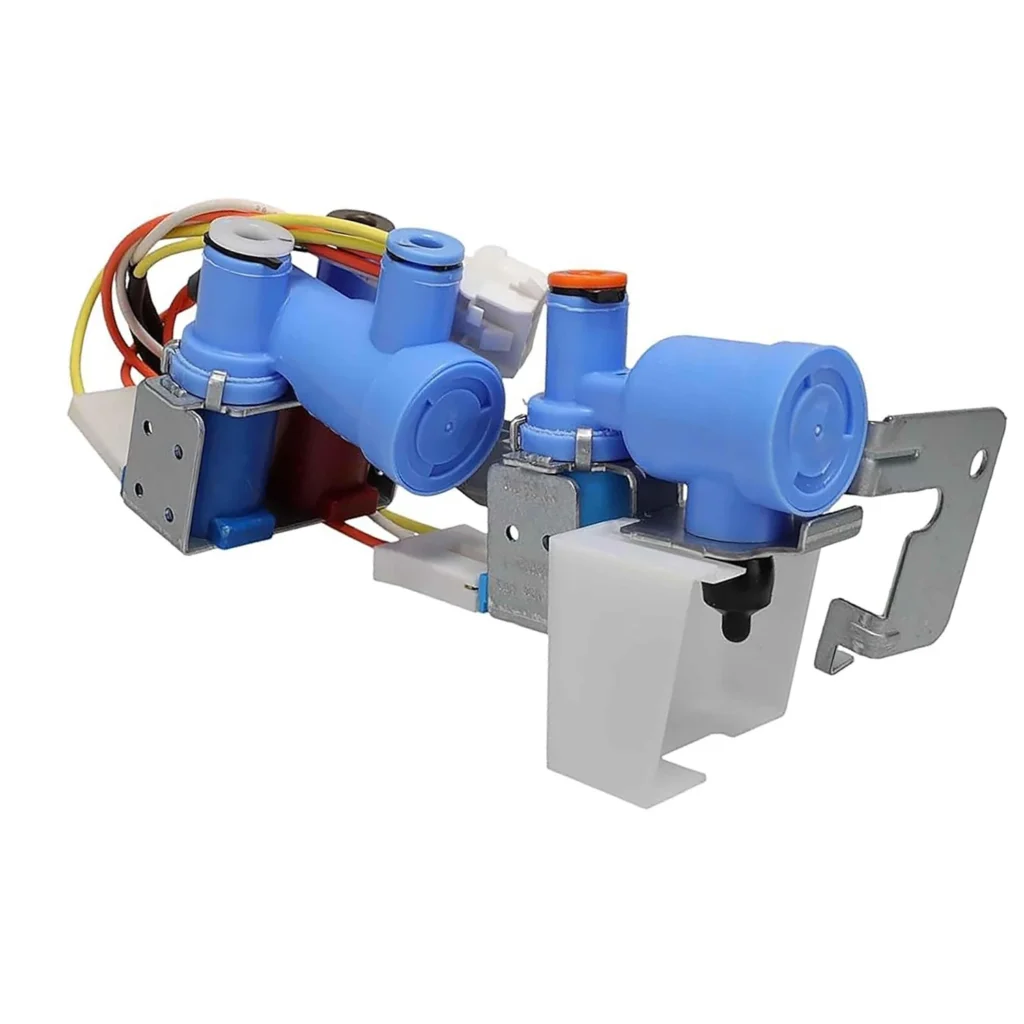
Here's the reality: the WR57X30890 isolation valve in your GE, Hotpoint, or Haier refrigerator should last 8-12 years. Most fail around year 5. The difference? How you treat the water flowing through it.
This valve controls both your ice maker and water dispenser. When it goes bad, you'll notice. No ice. No water. Sometimes both at once. But here's what most people don't realize — you can catch problems early and prevent the sudden failure that leaves you without ice for a week while you wait for parts.
How Long Should It Last?
Under normal conditions, the WR57X30890 valve assembly should give you 8-12 years of service. That's if you've got decent water quality and don't have pressure spikes in your home plumbing.
What kills these valves early:
- Hard water buildup — mineral deposits jam the solenoid
- Water pressure over 120 psi — stresses internal seals
- Sediment in supply lines — acts like sandpaper on moving parts
- Temperature cycling — repeated freezing/thawing if your fridge is in an unheated garage
With proper maintenance, you can push that lifespan to 12-15 years. We've seen it happen on GSS25GSHNCSS and GNE27JYMWFFS units that get regular attention.
Signs It's Wearing Out
The WR57X30890 gives you warnings before it completely fails. Learn to recognize them.
Not Dispensing Water
This is the most obvious sign. You press the dispenser paddle, hear the motor running, but nothing comes out. Or maybe water trickles instead of flowing normally.
Early stage: Water flow is slower than usual. Takes twice as long to fill a glass.
Late stage: Completely stopped, or water only comes out when you press the paddle for 10+ seconds.
This happens when mineral deposits partially block the valve opening. It's still technically working, but barely.
Ice Maker Not Making Ice
Your ice maker should produce a fresh batch every 90-120 minutes when the bin needs filling. If it's taking longer — or stopped completely — the valve might be restricting water flow to the fill tube.
Check the ice maker itself first. If you hear it cycling but no ice appears, the valve's likely culprit. On models like the GSE25HEMKHDS, this symptom often appears months before water dispensing stops.
Leaking
Water pooling under the crisper drawers or in the back lower corner of your fridge? The valve seals might be degrading.
Small leaks start as condensation you barely notice. Then you're wiping up puddles weekly. By the time you're using towels, the valve's already past saving.
Leaking can also happen at the connection points. Check where the water line connects to the valve body. If it's wet there, you might just need to tighten the compression fitting — but if the valve housing itself is damp, replacement's coming.
When to Replace vs Maintain
Be honest with yourself. Maintenance only works if the valve's still fundamentally sound.
Replace it now if:
- You see cracks in the plastic valve body
- The solenoid coil is corroded (green or white buildup)
- Water's been leaking for more than a week
- The valve's over 10 years old and showing any symptoms
Maintenance can help if:
- Water flow is slower but still present
- Ice production has decreased but hasn't stopped
- The valve's under 7 years old with no physical damage
- You've never cleaned your water supply system
At $63.99, the WR57X30890 isn't expensive enough to justify heroic measures. If you're spending an hour troubleshooting, just replace it. But if you're doing routine maintenance anyway, these steps add maybe 10 minutes to your annual fridge service.
Frequently Asked Questions
Can I clean the valve instead of replacing it?
Not really. The WR57X30890 is a sealed unit. You can't disassemble it for cleaning without destroying it. What you can do is maintain the water supply system upstream — replace your water filter every 6 months, install a sediment filter if you have well water, and check for mineral buildup in the supply line. That prevents damage before it reaches the valve.
Why does my ice taste bad even with a new valve?
The valve doesn't filter anything. It just opens and closes. Bad-tasting ice means your water filter's exhausted, or there's buildup in the ice maker itself. Replace your filter, then run 3-4 batches of ice through and throw them away. If taste problems persist, you might have biofilm in the water lines — that requires a different kind of cleaning.
Will low water pressure damage this valve?
Low pressure won't damage it, but the valve needs at least 20 psi to open properly. Below that, you'll get slow water flow or incomplete ice maker fills. GE recommends 40-120 psi for optimal performance. Above 120 psi, you're risking early seal failure — install a pressure reducer if your home system runs hot.
Element showing wear?
WR57X30890 · Replace before it fully fails