
How to Extend Your LG Water Inlet Valve Life — Maintenance Guide
Always disconnect power and shut off the water line before servicing the inlet valve. Water remains pressurized even when the refrigerator is unplugged.
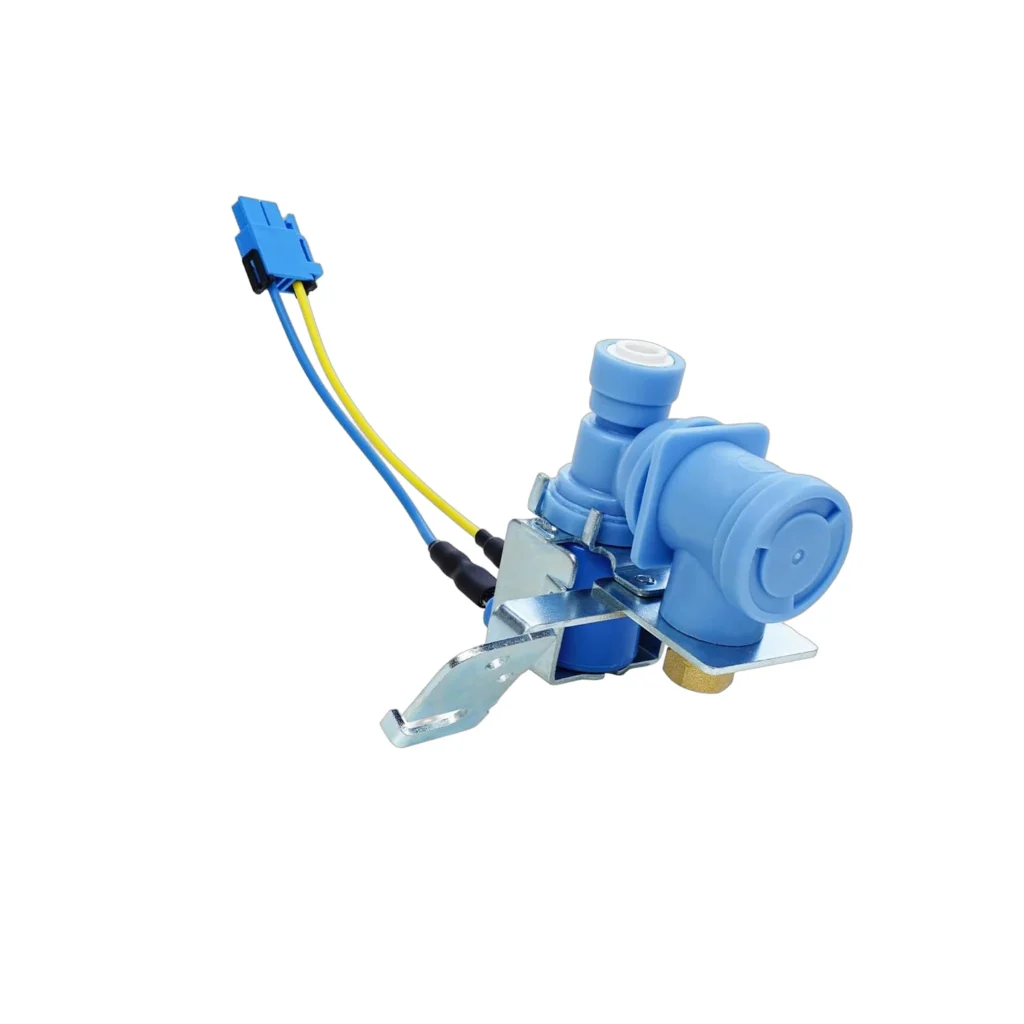
Most LG water inlet valves should last 7-10 years, but I see them fail at the 4-year mark constantly. The difference? Water quality and pressure. If you've got an LRDC22731ST or LFC20760ST, you're working with a component that handles hundreds of gallons weekly — and every mineral deposit, pressure spike, and power surge takes a toll.
How Long Should It Last?
Under ideal conditions, the 5220JB2010 valve handles 8-10 years of service. But here's what actually affects lifespan:
Hard water is the killer. Calcium and magnesium buildup restricts flow, forces the solenoid to work harder, and eventually causes the seal to fail. I've pulled valves from homes with well water that looked calcified after just three years.
Water pressure matters more than you think. Anything above 80 PSI stresses the diaphragm constantly. Below 20 PSI? The valve struggles to open fully, wearing out the solenoid faster.
Power surges damage the coil. The electromagnetic coil inside is sensitive. One lightning strike without a surge protector can weaken it enough that it'll fail six months later.
Signs It's Wearing Out
You'll know something's wrong before total failure if you're paying attention. Here's what to watch for:
Leaking Water
Small puddles under your fridge aren't normal. The valve connects to your water line with a rubber seal that hardens over time. You'll see water pooling at the back, usually on the right side where the valve mounts. Sometimes it's just dampness — but dampness becomes a puddle within weeks.
Check the connection points first. If they're dry but you still see water, the valve body itself has cracked or the internal seal has failed.
Failing to Supply Water
Your ice maker stops producing, or the water dispenser slows to a trickle. The valve might be opening inconsistently — working fine one day, barely functioning the next. That's the solenoid coil losing strength. It can't generate enough magnetic force to fully open the valve anymore.
I've seen this on 79577312601 and 79575313900 models where owners ignored the early warning signs for months. The valve would work when cold, fail when warm, because the coil resistance changes with temperature.
Slow Ice and Water Output
This one's sneaky because it happens gradually. Your ice cubes get smaller over months. Water dispenser flow drops from strong to adequate to frustrating. The valve diaphragm is partially blocked — usually mineral buildup, sometimes a deteriorating seal that's creating debris.
If you're filling a glass and it takes 15+ seconds for 8 ounces, your valve is working at maybe 40% capacity.
Maintenance Schedule That Actually Works
Every 6 months: Check for leaks and mineral buildup. Pull the fridge out, look at the valve connections with a flashlight. Feel for dampness. If you've got hard water, you'll see white crusty deposits around the connections — clean those off before they cement themselves in place.
Annually: Test water pressure. Get a $10 pressure gauge from any hardware store. Screw it onto an outdoor spigot and check. You want 40-70 PSI. Above 80? Install a pressure reducer before the valve. Below 30? Check for supply line restrictions or call your water company.
Every 2 years: Replace the inline water filter. Even if you don't have an ice maker, that filter protects your valve. A clogged filter creates back-pressure that stresses the valve diaphragm unnecessarily.
When to Replace vs Maintain
Here's the honest truth: water inlet valves aren't really repairable. You can't replace the solenoid or diaphragm separately — they're sealed units. So maintenance is really about prevention and knowing when to replace before catastrophic failure.
Replace immediately if: You see any active leaking. Don't wait. Water damage to your floor or cabinetry costs way more than $57.99.
Replace soon if: Ice production or water flow has dropped by half. You're looking at weeks before complete failure.
Keep monitoring if: Everything works but you've had the fridge 5+ years. Order a spare 5220JB2010 to keep on hand. When it fails, you want to swap it same-day, not wait three days for shipping while your food spoils.
One more thing: always disconnect both power and the water line before touching the valve. I've seen too many kitchen floods from DIYers who forgot that water stays pressurized even when the fridge is unplugged.
Frequently Asked Questions
Can I clean a clogged water inlet valve instead of replacing it?
Technically yes, but it's rarely worth it. You'd need to disassemble the valve, soak it in vinegar for hours to dissolve minerals, reassemble it perfectly, and hope the seals didn't get damaged. Most people who try this end up replacing it anyway — after wasting a weekend. For $57.99, just get the new valve.
Will a water softener really extend my inlet valve life?
Absolutely. I've seen valves in softened water homes last 12+ years without issues. The lack of mineral deposits means the diaphragm moves freely and seals stay flexible. If you're in a hard water area and go through valves every 4-5 years, a whole-house softener pays for itself in avoided repairs.
Why does my valve work sometimes but not others?
That's classic solenoid coil failure. The electromagnetic coil weakens over time, and electrical resistance changes with temperature. It might have just enough strength to open the valve when cold but fails when the coil heats up during operation. Once you see intermittent behavior, you've got maybe a month before it stops working entirely.
Element showing wear?
5220JB2010 · Replace before it fully fails