
Samsung Dishwasher LC Error Code — What It Means & How to Fix
Leak detected in base pan
The LC error code indicates that water has been detected in the leak pan underneath the dishwasher tub. This triggers an immediate safety shutdown to prevent flooding. The error can be caused by actual water leaks, excessive detergent foam, or a malfunctioning main control board sending false leak signals.
Always disconnect power before removing door panels or accessing control boards. Water and electricity create shock hazards. If checking for leaks while running, keep hands clear of electrical components.
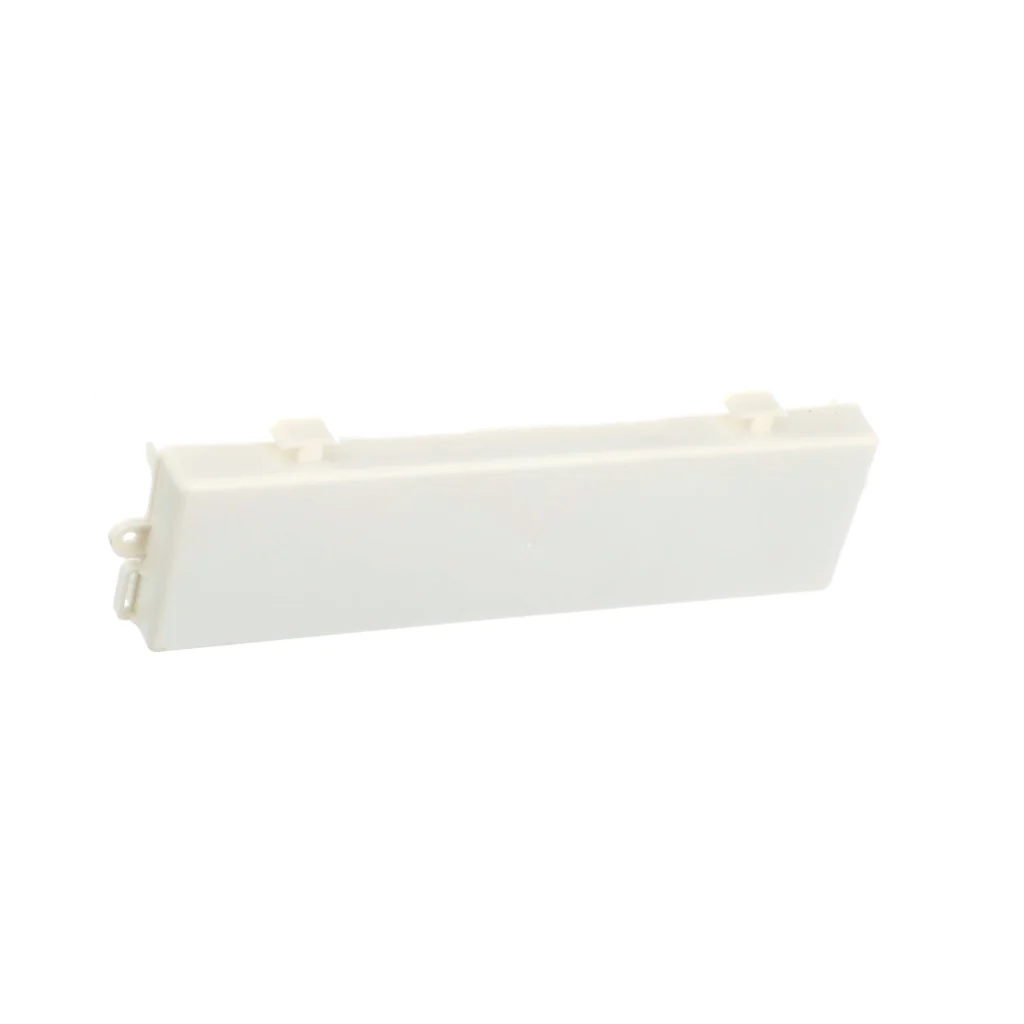
You load the dishwasher, hit start, and within minutes it stops mid-cycle. The display flashes "LC" and water's pooling at the bottom of the tub. Your Samsung dishwasher just detected a leak — but here's the thing: sometimes there isn't actually a leak at all.
The LC code (Leak Code) is Samsung's way of saying "I think water's going somewhere it shouldn't." Could be real water escaping. Could be foam triggering the sensor. Could be a faulty control board sending false alarms. Let's figure out which.
What LC Error Actually Means
Samsung dishwashers have a small pan underneath the tub with a float switch. When water reaches that pan — whether from an actual leak or excessive suds — the float rises and triggers the LC error. The machine immediately stops the wash cycle and drains to prevent flood damage.
Smart safety feature. Except when the control board (part DD82-01247A) starts throwing false positives because of corroded connections or moisture damage to the circuit itself.
Most Likely Causes
1. Too Much Detergent (60% of cases)
Using regular dish soap instead of dishwasher detergent, or overloading with pods, creates excessive foam. That foam drips into the leak pan and triggers the sensor. Not technically a malfunction — just user error the machine can't distinguish from a real leak.
2. Actual Water Leak (25%)
Door seal worn out, spray arm cracked, or inlet valve connection loose. Water escapes the tub, hits the leak pan, code appears. Check the floor around and under the dishwasher — if it's wet, you've got a real leak to track down.
3. Faulty Main Control Board (10%)
Moisture gets into the control board housing, corrosion develops on the circuit traces, and the board starts misreading the float switch signal. Models DW80J3020US, DW80K2021US, and DMT610RHS series are particularly prone to this after 3-5 years of use.
4. Stuck Float Switch (5%)
Debris or mineral buildup keeps the float in the raised position even when the pan's dry. The control board thinks there's a constant leak condition.
Step-by-Step Fix
Step 1: Clear the Suds
If you see foam in the tub, you've found your culprit. Scoop out standing water with a cup, then place towels in the bottom to absorb remaining suds. Run an empty rinse cycle. If the error doesn't return, switch to proper dishwasher detergent (not dish soap) and use less of it.
Step 2: Check the Leak Pan
Unplug the dishwasher. Pull it away from the cabinet (you'll need to disconnect the water line). Tilt it back slightly and look underneath — there's a shallow plastic pan. If there's water in it, dry it completely. Press the small white float down and let it pop back up. Should move freely. If it sticks, clean around it.
Step 3: Inspect for Actual Leaks
With the dishwasher still pulled out, run a cycle and watch underneath with a flashlight. Common leak points: door gasket (especially bottom corners), connection where inlet hose meets the valve, and the sump area where the drain pump connects. If you spot water, fix that leak first before assuming it's the board.
Step 4: Test the Control Board
If the pan's dry, no leaks visible, and you're still getting LC codes randomly, the main control board's likely giving false readings. Turn off power. Remove the inner door panel (screws around the perimeter). The control board's usually mounted top center behind the touchpad.
Look for:
- White crusty corrosion on circuit traces
- Discolored areas around the float switch connector
- Burn marks near relay components
- Moisture stains on the board itself
Any of those signs? Board needs replacement. Part DD82-01247A is the main control assembly that includes the interface board for models like DW80J3020UB/AA, DW80J3020US/AC, and DW80K2021US/AC.
Step 5: Replace the Control Board
Disconnect all wire harnesses (take photos first for reassembly). Remove mounting screws. New board installs in reverse. Make sure all connectors seat completely — partial connections cause intermittent errors. Reassemble the door panel, restore power, run a test cycle.
When the Fix Doesn't Work
Replaced the board but still getting LC codes? Three possibilities: the float switch itself is damaged (separate part on the leak pan), there's a wiring short between the switch and board, or you've got an intermittent leak that only happens under specific conditions (like when the spray arm hits a certain position).
At that point, you're looking at either pulling the lower panel to replace the entire leak sensor assembly, or calling a tech to trace the wiring with a multimeter. If your dishwasher's over 8 years old and needs both a control board and sensor work, start pricing new machines — you're approaching the repair-versus-replace threshold.
Frequently Asked Questions
Can I reset the LC error without fixing anything?
Sure — hold the Start button for 3 seconds or unplug for 60 seconds. Error clears. But if you didn't address the actual cause (suds, leak, or board issue), it'll come right back during the next cycle. Resetting just clears the code, doesn't fix the trigger.
How much does control board replacement cost?
The DD82-01247A control board runs $159.99. If you're paying a tech, add $100-150 for labor — most charge 1-1.5 hours at $75-100/hour. Total repair: $260-310. DIY saves the labor cost but requires careful connector work.
Why does LC only appear on certain cycles?
Different cycles use different water levels and spray patterns. Normal cycle might not generate enough foam or spray force to trigger the sensor, but Heavy cycle with more water and pressure pushes suds or spray into areas that drip into the leak pan. Or there's a small crack that only leaks under high-pressure spray.
Before buying parts, tilt the dishwasher back 30 degrees and shine a light into the leak pan. If it's bone dry and the float moves freely, your issue is likely the control board, not an actual leak.
Need the control board or touchpad?
Genuine OEM & aftermarket options in stock