
GE Washer Won't Agitate But Spins — 3 Causes & How to Fix
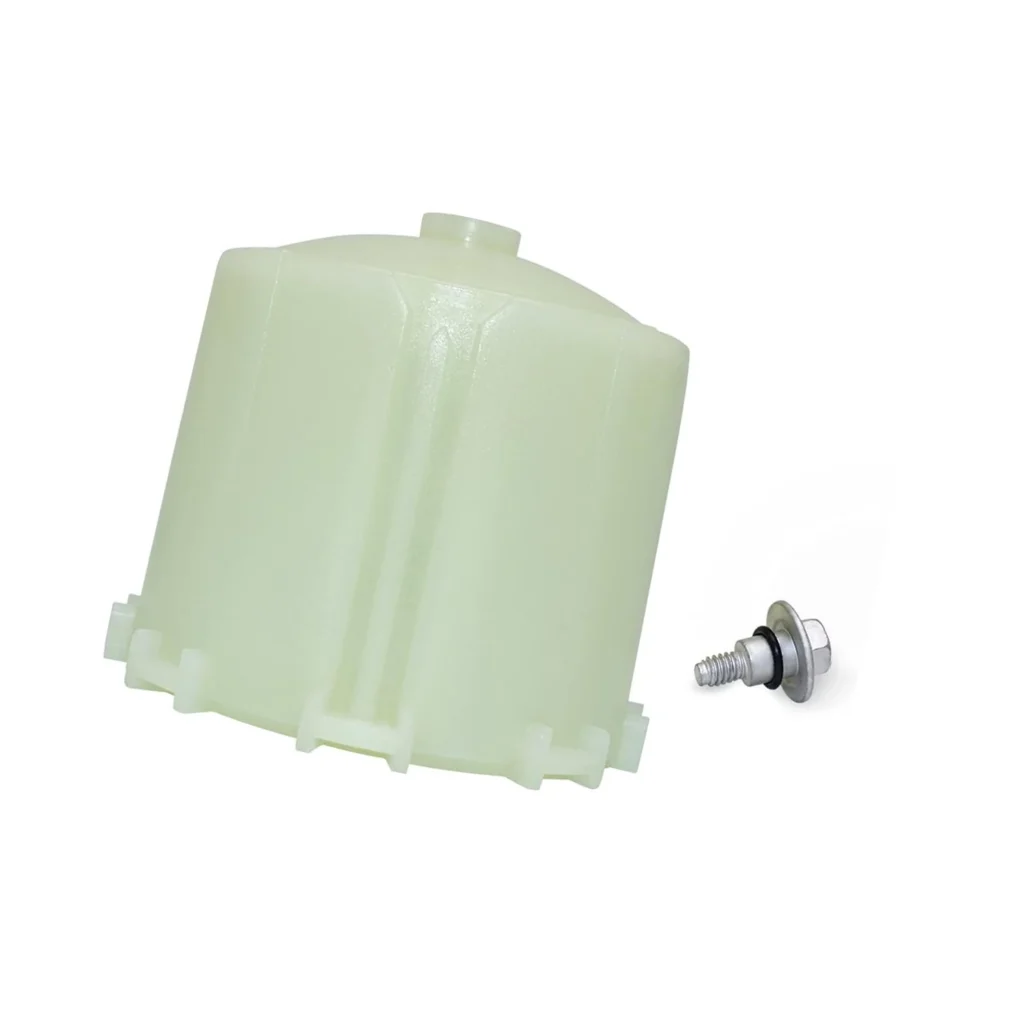
You load your GE washer, start the cycle, and come back to find your clothes sitting in soapy water — completely unwashed. The drum spins fine during the drain cycle, but during the wash? Nothing. The agitator just sits there like it's on strike.
One frustrated DIYer put it perfectly: "I would get the spinning cycle with no problem but there would be no agitation cycle and the belt would work with no problems." Sound familiar? You're dealing with a dead agitator, and the good news is it's usually a $20 fix you can knock out in under 15 minutes.
Quick Symptom Check
Before you start pulling parts, confirm what you're dealing with:
- Agitator doesn't move during wash cycle — Clothes come out soapy and dirty
- Spin cycle works perfectly — Water drains, drum spins fast
- Agitator feels loose or spins freely by hand — Should have resistance
- No grinding or unusual noises — Motor runs, but nothing happens up top
- Belt is intact — You can see it moving when you peek inside
If you checked three or more of these boxes, you've got agitator problems. Let's find out why.
Cause #1: Worn Agitator Coupling (85% of Cases)
This is the usual suspect. The agitator coupling (part WH49X10042) is a plastic and metal component that connects the agitator to the drive shaft. When it wears out, the motor spins the shaft, but the agitator just sits there doing nothing.
How to diagnose it:
- Unplug the washer completely
- Grab the agitator firmly and pull straight up — it takes force, so don't be gentle
- Once it pops off, look down at the coupling on the drive shaft
- Try to spin it by hand — if it rotates freely, it's toast
As one DIYer discovered: "I was able to spin it freely which meant that the agitator coupler was bad." A good coupling should have firm resistance and not spin independently.
Why it fails: Regular use wears down the plastic cam surfaces. Overloading the washer accelerates this. After a few years, the coupling can't grip anymore, and the agitator loses its connection to the drive system.
The fix: Replace the coupling. You'll need a 7/16" or 11mm socket and about 10 minutes. Remove the center bolt, pull off the old coupling, install the new one (part WH49X10042 fits models like WJSR2080V2WW, WVSR1060A0WW, WBSR3140D0WW, and dozens more GE top-loaders), tighten the bolt, snap the agitator back on. Done.
One happy repair person summed it up: "Total cost? $13... I completed my OWN repair in about 6 minutes!"
Cause #2: Stripped Agitator Splines (10% of Cases)
Sometimes the coupling is fine, but the inside of the agitator itself is worn out. The splines (the grooved teeth inside the agitator that grip the coupling) can strip if you've been washing heavy loads or if someone forced the agitator on incorrectly during a previous repair.
How to diagnose it:
- Remove the agitator (pull straight up with force)
- Look inside the bottom — you should see defined splines/teeth
- If they're rounded off, cracked, or missing chunks, that's your problem
The agitator might feel loose when you push it side to side, even with a new coupling installed.
The fix: You'll need a new agitator assembly, not just the coupling. The coupling replacement is still worth doing first since it's $20 versus $60+ for a whole agitator. But if the splines are visibly damaged, plan on replacing both.
Cause #3: Broken Drive Block or Transmission Issues (5% of Cases)
If your coupling looks perfect and spins with proper resistance, the problem might be deeper in the transmission. The drive block (which connects below the coupling) could be stripped, or there could be internal transmission wear.
Warning signs:
- Coupling looks brand new but agitator still doesn't move
- You hear grinding or rattling from inside the tub
- Washer leaks from the bottom center
This is less common in the models that use WH49X10042, but it happens. Diagnosing transmission problems requires removing the tub and inspecting internal gears — not a beginner repair.
When to Call a Pro
Be honest with yourself. Replacing the agitator coupling? Easy. Anyone with a socket wrench can do it. But if you've replaced the coupling and agitator and it still doesn't work, you're looking at transmission work that involves tearing down half the washer.
Call a tech if:
- The coupling replacement didn't fix it
- You hear grinding sounds from deep inside
- The washer is leaking from underneath
- You're not comfortable working with tools
A service call runs $150–$250, and transmission repairs can hit $300–$400 with labor. At that point, you're getting close to used washer territory. But 85% of the time? It's just the coupling, and you'll spend $20 and 15 minutes.
Frequently Asked Questions
Can I just replace the agitator without the coupling?
Only if the splines inside the old agitator are stripped. Most of the time, the agitator itself is fine — it's the coupling underneath that's worn out. Check the coupling first before spending money on a new agitator.
Why does my washer spin but not agitate?
Because spinning and agitating use different mechanical actions. The spin cycle engages the clutch and transmission directly to rotate the entire basket. The agitate cycle relies on the agitator coupling and agitator to move back and forth. When the coupling wears out, the spin mechanism still works fine, but the agitator can't get power from the drive shaft.
How long should an agitator coupling last?
Typically 5–8 years with normal use. If you regularly overload your washer or wash heavy items like rugs and comforters, expect it to wear out faster. The coupling is a wear part designed to fail before more expensive components get damaged — think of it as a $20 insurance policy for your $300 transmission.
Diagnosed the problem?
WH49X10042 · In Stock · Fast shipping