
Whirlpool Washer Won't Start or Lid Clicks Repeatedly — 4 Causes & How to Fix
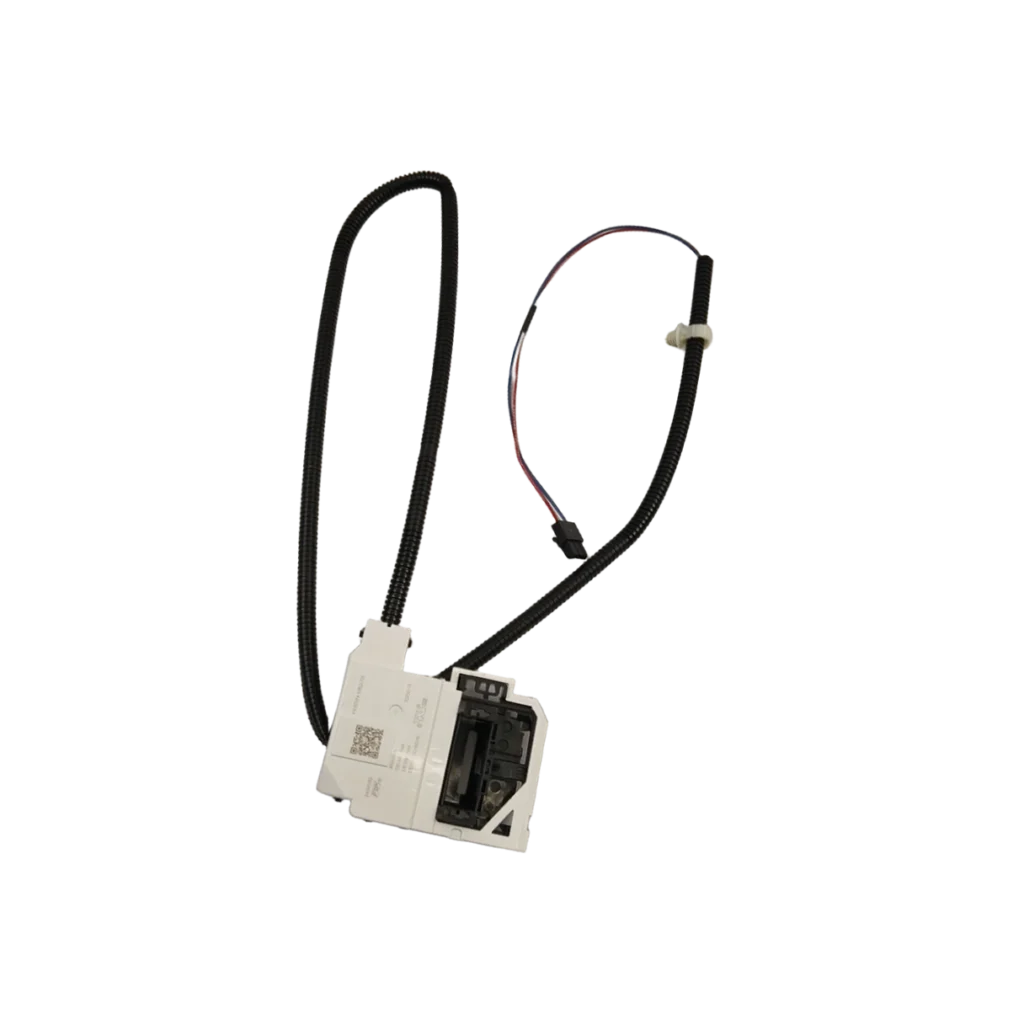
You load the washer, pour in detergent, press start — and nothing. Or maybe you hear the lid clicking over and over like it's stuck in a loop. Your Whirlpool or Maytag top-load washer won't drain, won't spin, or just sits there humming. Nine times out of ten, you're looking at a failed lid lock assembly.
The W11670519 lid lock is the part that tells your washer it's safe to start the cycle. When it fails, the machine refuses to operate — it's a safety feature, but it feels like sabotage when you've got wet laundry piling up.
Quick Symptom Check
Your washer likely has a lid lock problem if you're experiencing:
- Washer won't start at all — lights come on, but nothing happens when you press start
- Lid clicks repeatedly — you hear a constant clicking sound from the lid area
- Won't drain or spin — washer fills but stops before completing the cycle
- Lid won't close properly — latch doesn't catch or feels loose
- Error codes — display shows lid-related fault codes (varies by model)
This issue is common across Maytag MVW4505MW0, MVW5035MW1, MVW5430MW2, and Whirlpool MVW5435PW0 models — basically any top-loader using this lock assembly.
Cause #1: Worn or Broken Lid Lock Mechanism (70% of Cases)
The plastic components inside the lock assembly wear down from thousands of cycles. The striker that catches the lid weakens, or the solenoid that engages the lock burns out. You'll hear clicking because the washer keeps trying to engage a lock that can't hold.
How to diagnose:
- Unplug the washer and open the lid
- Locate the lid lock assembly (usually mounted on the washer top, under the lid)
- Manually try to engage the lock — does it feel loose or not catch at all?
- Look for visible cracks or broken plastic tabs on the striker
- Check if the lock plunger moves freely when you press the lid down
If the mechanism feels loose, doesn't engage, or you see physical damage, the assembly needs replacement. The W11670519 is the updated part that replaces older versions like W11368616 and 4981394.
Repair difficulty: Easy. Takes about 20 minutes with a screwdriver.
Cause #2: Faulty Wiring or Connector (15% of Cases)
The lock assembly connects to the washer's control board with a wire harness. If this connector gets corroded, loose, or the wires develop breaks, the lock won't communicate with the control board — even if the lock itself is fine.
How to diagnose:
- Unplug the washer
- Remove the top panel or access the area behind the control panel
- Trace the wires from the lid lock to the connector
- Inspect for corrosion on the connector pins (green or white crusty buildup)
- Wiggle the connector — if it's loose, that's your problem
- Check for pinched or damaged wires along the harness
If you find corrosion, try cleaning the connector with electrical contact cleaner. If wires are damaged, you'll need to replace the harness or splice in new wire (not ideal unless you're handy with a soldering iron).
Cause #3: Failed Control Board (10% of Cases)
Less common, but the control board itself can fail to send the signal to engage the lid lock. This usually happens after a power surge or just from age. The tricky part: the lid lock looks fine, tests fine, but the board won't activate it.
How to diagnose:
- Test the lid lock with a multimeter (check for continuity when engaged)
- If the lock tests good but still won't work, suspect the board
- Look for burnt components or swollen capacitors on the control board
- Check if other functions are also failing (buttons not responding, display issues)
Control board replacement is expensive ($150–$300) and complex. If you're going this route, honestly consider whether the washer is worth fixing or if it's time for a new machine.
Cause #4: Misaligned Lid Strike or Debris (5% of Cases)
Sometimes the problem isn't the lock at all — it's what the lock is trying to catch. The striker plate on the lid can bend, shift, or get gummed up with detergent residue and fabric softener buildup.
How to diagnose:
- Open the lid and examine the striker (the plastic piece on the underside of the lid)
- Check if it's bent, cracked, or not aligned with the lock mechanism
- Wipe away any sticky residue around the lock and striker
- Close the lid slowly and watch if the striker enters the lock cleanly
If the striker is misaligned, you might be able to adjust it by loosening mounting screws and repositioning. If it's broken, you'll need a new lid assembly (separate part).
When to Call a Pro
If you've replaced the lid lock and the washer still won't start, you're likely dealing with a control board issue — and that's where most DIYers should tap out. Also call a tech if:
- You're not comfortable working with electrical connections
- The washer is under warranty (DIY repair can void it)
- You've tested multiple parts and nothing fixes it
Expected service call: $100–$150 for diagnosis, plus parts and labor. The lid lock itself (W11670519) runs about $51, and installation takes 20 minutes if you know what you're doing.
Frequently Asked Questions
How do I know if my lid lock is bad or if it's the control board?
Test the lid lock with a multimeter. Disconnect it, set your meter to continuity, and check if the solenoid activates when you apply 120V (carefully, or use a low-voltage test). If the lock engages and shows continuity but the washer still won't start, the control board isn't sending the signal. If the lock doesn't engage at all, replace the lock first — it's cheaper and more likely the culprit.
Can I bypass the lid lock to get the washer working temporarily?
Technically yes, but don't. The lid lock is a safety feature that prevents the basket from spinning while the lid is open — bypassing it risks serious injury. If you absolutely need to run a load while waiting for the part, you can temporarily jump the wiring connector to fool the control board, but you must keep the lid closed and never open it mid-cycle. Not recommended.
Will this part work on both Whirlpool and Maytag washers?
Yes. The W11670519 is compatible with Maytag models like MVW4505MW0, MVW5035MW1, MVW5430MW2, and Whirlpool models like MVW5435PW0. These brands use the same components since they're owned by the same parent company. Check your model number against the full compatibility list to confirm.
Diagnosed the problem?
W11670519 · In Stock · Fast shipping