
Whirlpool Washer Won't Spin or Spins Weakly — 5 Causes & How to Fix
Your Maytag MVWC300VW finishes the wash cycle, but when you open the lid, everything's still soaking wet. The drum barely moved during what should've been the spin cycle, or it's spinning so weakly that water's just sloshing around instead of being extracted. You run another spin cycle manually — same result. Clothes are dripping, and you're wondering if you need a new washer.
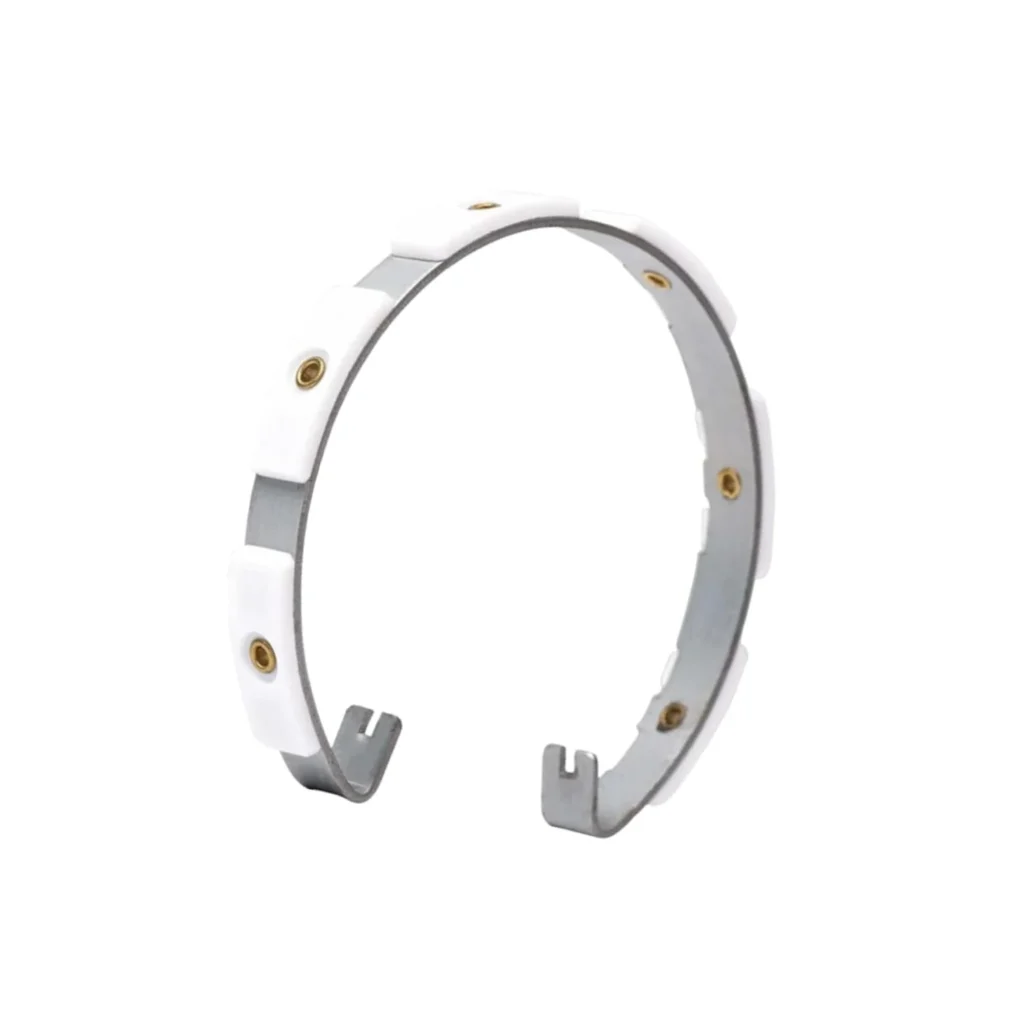
Before you panic, there's a good chance it's the clutch assembly. The W10817888 clutch band and lining is what engages the spin basket to your washer's drive system. When it wears out, your washer loses the friction it needs to spin properly. It's one of those parts that fails gradually — first you'll notice clothes slightly wetter than usual, then progressively worse until the spin cycle becomes almost useless.
Quick Symptom Check
Before diving into repairs, confirm what you're experiencing:
- Drum won't spin at all during spin cycle — motor runs but basket doesn't move
- Weak or slow spinning — basket moves but way slower than normal
- Clothes extremely wet after cycle — water isn't being extracted
- Burning smell during spin cycle — worn clutch material creating friction
- Washer completes all cycles but won't spin — agitates fine, just won't spin
Cause #1: Worn Clutch Band and Lining (Most Likely — 70%)
The clutch assembly on Whirlpool, Maytag, and Kenmore washers (models like MAT14CSAWW0, MVWC400VW1, and hundreds of others) uses a friction band that grips the drive tube during spin. After several years and thousands of loads, this lining wears down just like brake pads on a car.
How to diagnose: Unplug the washer and remove the front panel. Access the clutch assembly beneath the tub. The clutch band should have visible friction material — if it's smooth, shiny, or you can see metal through it, it's done. You might also see black dust or debris around the area from the degraded lining.
The fix: Replace with W10817888 (replaces AP5985204, 3951993, W10817173, 4283279). This is a moderately challenging repair requiring you to remove the tub to access the clutch. Budget 1-2 hours if you're comfortable with appliance work. The part costs $42.99, compared to $150-300 for a service call.
Why it happens: Normal wear from the constant engagement and disengagement during every wash cycle. Heavier loads accelerate wear. If you regularly wash heavy items like comforters or overload the machine, expect clutch wear around the 5-7 year mark.
Cause #2: Worn Drive Belt (15%)
The drive belt connects your motor to the transmission and clutch system. A worn, stretched, or glazed belt can slip during the high-speed spin cycle, even if the clutch is fine.
How to diagnose: With the front panel off, inspect the drive belt while someone manually rotates the drum. Look for cracks, fraying, glazing (shiny smooth surface), or excessive slack. Try to twist the belt — if you can rotate it more than 90 degrees easily, it's too loose.
The fix: Replace the drive belt. This is easier than clutch replacement and often runs $15-30 for the part. Sometimes both the belt and clutch wear together, so inspect carefully.
Cause #3: Failed Motor Coupling (8%)
Some Maytag models (particularly MVWC series) use a motor coupling between the motor and transmission. This plastic coupler absorbs the torque and protects the motor. Overloading or jamming the washer can break it.
How to diagnose: If the motor runs but you hear it revving without the drum moving at all, suspect the coupling. You'll need to access the area between the motor and transmission — look for broken white or clear plastic pieces.
The fix: Replace the motor coupling. This is actually easier than clutch replacement since you don't need to remove the tub. Part costs around $15-20.
Cause #4: Faulty Lid Switch or Lock (5%)
Modern washers won't spin if the lid switch isn't signaling that the lid is closed. This is a safety feature, but a failed switch means no spin even though everything else works fine.
How to diagnose: Does your washer agitate but refuse to spin? Listen for a click when you close the lid. Use a multimeter to test the lid switch for continuity with the lid closed. No continuity = bad switch.
The fix: Replace the lid switch assembly. Usually $20-40 and takes 15 minutes. Much cheaper than replacing mechanical components.
Cause #5: Transmission Issues (2%)
Rarely, the transmission itself fails. This is the worst-case scenario because transmission replacement on these models often costs more than the washer's worth.
How to diagnose: If you've replaced the clutch and belt but still have no spin, and you hear grinding or metal-on-metal noises, the transmission may be stripped internally.
The reality: At this point, you're looking at $300-500 in parts and labor, or more. If your washer's over 10 years old, replacement makes more financial sense.
When to Call a Pro
Here's my honest take: if you're comfortable removing panels and have basic tools, the clutch replacement is doable. It's time-consuming and requires patience, but it's not rocket science. There are plenty of step-by-step videos for your specific model.
Call a pro if:
- You've never worked on appliances before — this isn't a beginner repair
- You don't have 2-3 hours to dedicate to the job
- You're uncomfortable working with the tub removal process
- After replacing the clutch, the problem persists (transmission issues)
A service call runs $150-300 depending on your area. The clutch repair typically totals $200-350 including labor.
Frequently Asked Questions
How long does a washer clutch typically last?
Most clutch assemblies last 5-10 years depending on usage. If you do 8-10 loads per week with regular-sized loads, expect 7-8 years. Heavy use or constantly overloading can cut that to 4-5 years. Light use might get you 12+ years before the friction material wears out.
Can I just live with weak spinning instead of replacing the clutch?
You can for a while, but it'll get progressively worse. More importantly, you're putting extra wear on the motor and drive system because they're working harder to compensate. You'll also waste time running extra spin cycles and your clothes will take longer to dry, costing you energy. Fix it sooner rather than later to prevent additional damage.
Will this clutch work on my Kenmore washer?
The W10817888 is compatible with many Whirlpool-manufactured Kenmore models. Check your model number against the compatibility list — if you see models like MAT14CSAWW0, MVWC300VW0, or similar prefixes, you're likely good. The easiest way is to look up your complete model number and verify the original part number matches one of these: AP5985204, 3951993, W10817173, or 4283279.
Diagnosed the problem?
W10817888 · In Stock · Fast shipping