
Whirlpool Dishwasher Won't Start or Latch — 5 Causes & How to Fix W10653840
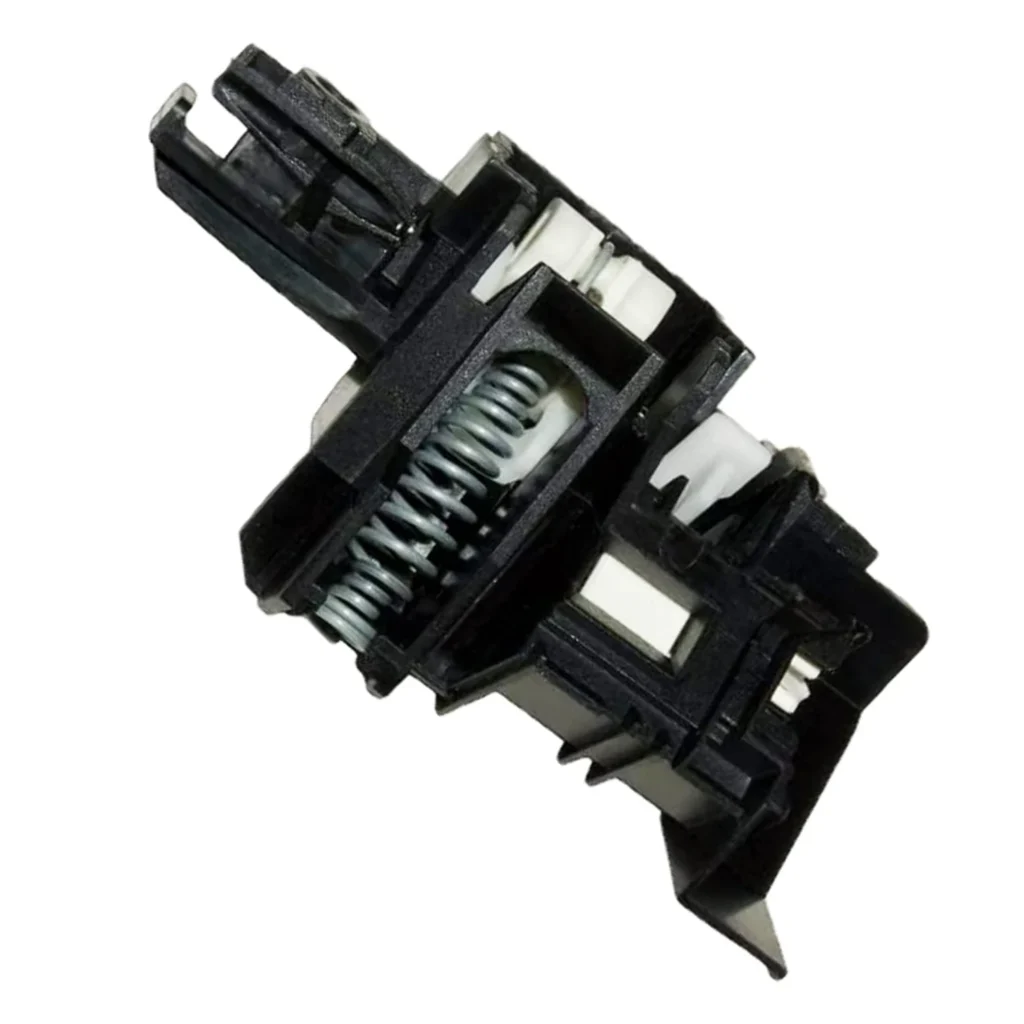
You load the dishes, add detergent, press start, and... nothing. The Whirlpool dishwasher just sits there like it didn't hear you. Before you assume it's a control board failure or call for service, there's a 70% chance you're dealing with a failed door latch assembly — specifically the W10653840.
This latch is the gatekeeper. If your dishwasher doesn't detect that the door is securely closed, it won't start the cycle. Period. It's a safety feature, but when the latch mechanism wears out or breaks, it becomes the problem.
Quick Symptom Check
Before you start disassembling anything, verify you're actually dealing with a latch issue:
- Door won't stay closed — springs back open when you try to latch it
- Dishwasher won't start — no lights, no sounds, completely unresponsive
- Door closes but cycle won't begin — lights may work, but Start button does nothing
- Water leaking from door — improper seal because door isn't fully latched
- Clicking sound when closing door — latch mechanism trying to engage but failing
If you're seeing two or more of these symptoms on models like the WDF520PADM7, WDT720PADM2, or WDT750SAHZ0, the latch assembly is your likely culprit.
Cause #1: Broken Strike Mechanism (Most Common — 45%)
The strike is the part that physically holds the door closed. Inside the W10653840 assembly, there's a spring-loaded mechanism that catches when you push the door shut. Over time — we're talking 5–8 years of daily use — this plastic component fatigues and cracks.
How to diagnose: Open the dishwasher door and look at the latch assembly on the door itself. Push on the strike mechanism with your finger. Does it feel loose or wobbly? Does it spring back properly? If it just flops around or you can see visible cracks in the white plastic housing, that's your problem.
On KitchenAid models like the KDTM354ESS4 or KDTM384ESS3, this failure is especially common because these units see heavy use in busy kitchens.
Fix difficulty: Easy. The entire assembly replaces as one unit. You're looking at 15–20 minutes with a Torx T20 screwdriver.
Cause #2: Worn Door Switch Contacts (30%)
Even if the mechanical latch works fine, the electrical switch inside the assembly might've failed. This switch tells the control board "door is closed, you're good to start." When those contacts wear out from thousands of open-close cycles, the board never gets the signal.
How to diagnose: You'll need a multimeter for this one. Disconnect power, remove the inner door panel to access the latch assembly, and test for continuity across the switch terminals when the latch is engaged. No continuity? Dead switch.
This is the issue if your dishwasher lights work, the control panel responds, but hitting Start does absolutely nothing. Models like the WDT710PAYM5 and WDT780SAEM2 won't run without that electrical confirmation.
Cost to fix: Same part — the W10653840 includes both the mechanical latch and the electrical switch. $16.99 plus your time.
Cause #3: Misaligned Door (15%)
Sometimes it's not the latch at all. If the door's sagging on its hinges or the entire unit isn't level, the strike and catch won't line up properly. You'll hear the door close, but it's not engaging the latch mechanism completely.
How to diagnose: Close the door slowly and watch the latch. Does it line up perfectly with the catch on the tub? Or is it hitting slightly high or low? Check if the dishwasher itself is level — put a level across the top front edge.
This is common on older Maytag models like the MDB4949SDM2 where the door springs have weakened over time, causing the door to drop slightly.
Fix: If it's a leveling issue, adjust the front legs. If the door's sagging, you might need to replace the door springs (separate part) or adjust the hinge tension. But if the latch itself is worn, alignment won't matter — replace it anyway.
Cause #4: Control Board Not Recognizing Latch Signal (8%)
Less common, but it happens: the latch works mechanically and electrically, but the control board has a fault and doesn't process the signal. This typically comes with other symptoms — error codes, lights flashing in weird patterns, or intermittent operation.
How to diagnose: If you've verified the latch assembly has continuity when closed, and the door aligns perfectly, but the dishwasher still won't start, you're likely looking at a board issue. Try a hard reset first — kill power at the breaker for 5 minutes, then restore.
On Whirlpool models like the WDTA50SAHZ0 and WDT970SAHZ0, control board failures are rare but expensive. You're looking at $200–$400 for the part alone.
Cause #5: Damaged Wiring Harness (2%)
If rodents have been in your home or you've had water damage, check the wiring between the door latch and the control board. A chewed wire or corroded connector will give you the exact same "won't start" symptom as a bad latch.
How to diagnose: Remove the lower access panel and toe kick. Trace the wires from the door latch assembly to the control board. Look for any visible damage, bare wires, or green corrosion on connectors.
Fix: Repair or replace the damaged section of the harness. Electrical tape won't cut it long-term — use heat-shrink butt connectors for a proper repair.
When to Call a Pro
If you're comfortable removing the inner door panel (it's mostly just screws), replacing the W10653840 latch assembly is a straightforward DIY repair. You don't need to touch any water lines or deal with electrical beyond unplugging a connector.
Call a tech if:
- You've replaced the latch and the problem persists — likely a control board issue
- You're seeing error codes along with the won't-start symptom
- The dishwasher shows signs of water damage inside the door cavity
- You're uncomfortable working inside the door panel
Labor for this repair typically runs $150–$200, so you'll save about $130 doing it yourself.
Frequently Asked Questions
Why won't my Whirlpool dishwasher start even though the door is closed?
The most common reason is a failed door latch assembly (W10653840). Even if the door appears closed, the internal switch might not be making electrical contact to signal the control board. The latch mechanism can also break mechanically, preventing proper engagement. Test by pressing firmly on the closed door — if the dishwasher suddenly starts, your latch is failing.
Can I bypass the door latch to test if that's the problem?
Technically yes, but don't run it this way. With power disconnected, you can jumper the two wires going to the latch switch to simulate a "door closed" signal. If the dishwasher then starts when you restore power, you've confirmed the latch is the issue. However, never run a cycle with the door bypassed — water will spray everywhere and you'll have a flooded kitchen.
How long does the W10653840 door latch typically last?
Most units see 7–10 years of service before the latch fails, though heavy use can shorten that to 5 years. The plastic striker mechanism and the electrical switch contacts are the wear points. If you run your dishwasher daily, you're looking at roughly 2,500–3,500 cycles before failure. Models with stainless tubs tend to be harder on door components due to the added weight.
Diagnosed the problem?
W10653840 · In Stock · Fast shipping