
Whirlpool Refrigerator Leaking Water — 4 Drain Causes & How to Fix
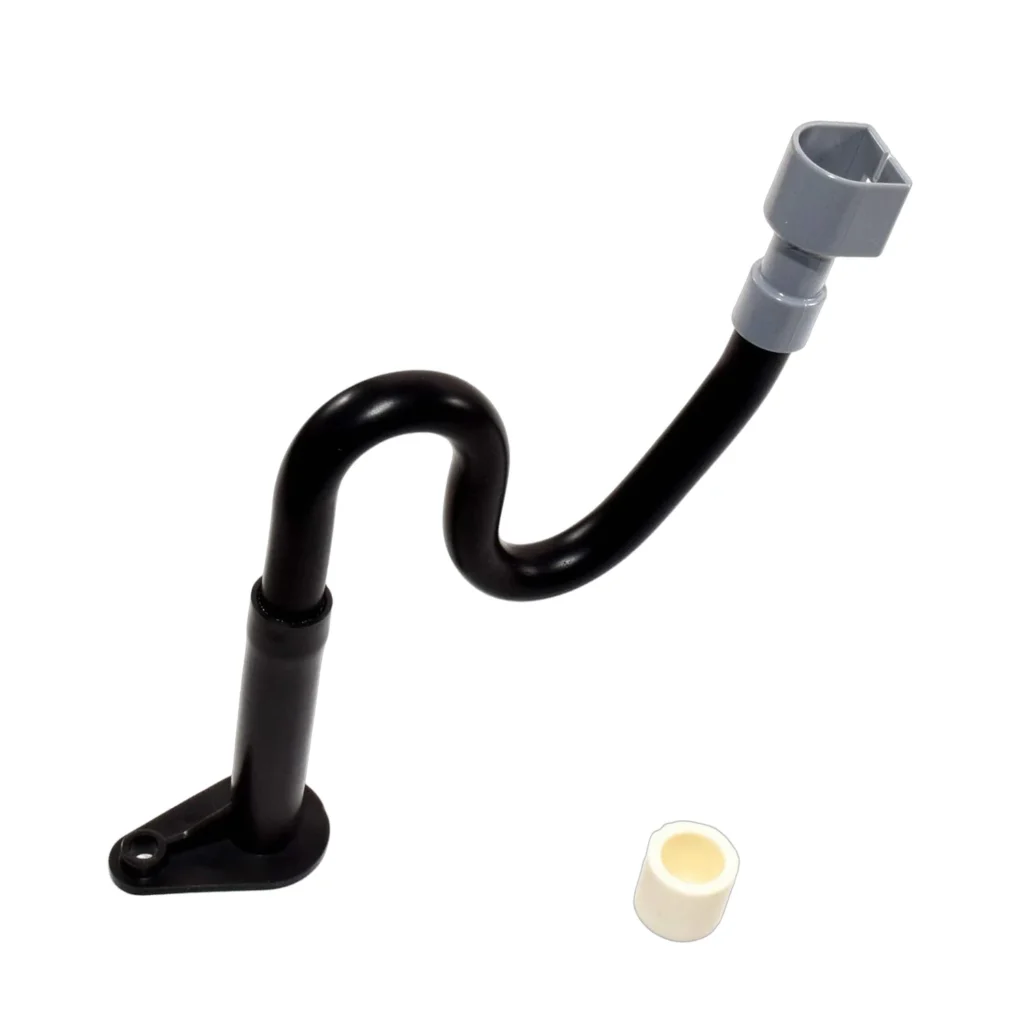
You open your fridge and step into a puddle. Again. The water's pooling under the crisper drawers, and there's a weird smell coming from somewhere near the back. If your Whirlpool, Maytag, or KitchenAid fridge is leaking water inside or underneath, you're likely dealing with a clogged or cracked drain system — specifically the P-trap drain tube that carries defrost water away from the evaporator coils.
This guide walks through the four most common drain-related causes, from simple clogs to failed drain tubes. We'll cover models like GB2FHDXWQ04, KBFS20EVMS1, GZ25FSRXYY2, and dozens of others that use the W10619951 drain tube kit.
Quick Symptom Check
- Water pooling inside fridge: Usually under crisper drawers or at the back wall
- Water leaking onto floor: Puddle forms under or behind the refrigerator
- Frost buildup in freezer: Ice accumulates on back wall or around vents
- Fridge too warm: Temperatures rise because airflow is blocked by ice
- Musty odor: Stagnant water in drain system creates smell
Cause #1: Clogged Drain Tube (Most Common — 65% of Cases)
The defrost cycle melts ice off the evaporator coils every 8-10 hours. That water is supposed to flow through a small drain tube and into a pan underneath the fridge where it evaporates. When food particles, ice, or mold clog that tube, water backs up and leaks inside your fridge instead.
How to diagnose: Remove the back panel inside your freezer compartment (usually 4-6 screws). Look for the drain opening at the bottom center. Pour a small amount of warm water into it. If water doesn't flow freely, you've got a clog.
The fix: Use a turkey baster filled with hot water to flush the drain. For stubborn clogs, a length of flexible tubing or a pipe cleaner works. Some techs use a solution of hot water and baking soda. If the tube is severely clogged or cracked, you'll need the W10619951 replacement kit.
Cost: $0 if you can clear it yourself, $40.99 for the replacement tube kit
Time: 15-30 minutes
Cause #2: Cracked or Damaged P-Trap Drain Tube (20% of Cases)
The P-trap design prevents odors from rising back into the fridge, but these tubes crack over time — especially on models from 2010-2015. Once cracked, water leaks directly onto your floor instead of reaching the drain pan.
How to diagnose: Pull your fridge away from the wall. Remove the lower back access panel (usually clips or a couple screws). Locate the drain tube running from the top down to the drain pan. Look for visible cracks, splits, or disconnected sections. Shine a flashlight while someone pours water through the drain from inside — you'll see exactly where it's leaking.
The fix: This is exactly what the W10619951 kit addresses. One user reported: "Removed the defective drain part and installed the new p-trap design drain tube kit." The improved design is less prone to cracking. You'll need a nutdriver and screwdrivers. The tube clips into place at the top near the evaporator and routes down to the drain pan.
Cost: $40.99 for W10619951 kit
Time: 20-30 minutes
Cause #3: Frozen Drain Line (10% of Cases)
If your freezer is running too cold (below 0°F consistently), the drain line itself can freeze solid before water reaches the drain pan. This is common in garage installations during winter or when the defrost heater fails.
How to diagnose: Check your freezer temperature — it should be around 0°F, not -5°F or colder. Access the drain opening as described above. If you see solid ice blocking the drain or the tube feels frozen solid when you touch it, that's your problem.
The fix: Unplug the fridge and let it thaw completely (6-8 hours), or use a hairdryer on low heat to carefully thaw the drain line. Don't use high heat — you can melt plastic components. Once thawed, check your defrost heater and thermostat. If the line keeps freezing, you've got a deeper defrost system issue.
Cost: $0 for thawing, potentially $50-150 if defrost components need replacement
Time: 6-8 hours for natural thawing, 30 minutes with hairdryer
Cause #4: Misaligned or Missing Drain Pan (5% of Cases)
Sometimes during moves or service calls, the drain pan under your fridge gets knocked out of position. Water flows through the tube perfectly but misses the pan entirely and pools on your floor.
How to diagnose: Pull the fridge out and remove the lower back panel. Pour water through the drain system and watch where it goes. If it's hitting the floor instead of the pan, you've found it.
The fix: Reposition the drain pan directly under the drain tube outlet. Most pans slide into brackets or clips. Make sure it's seated properly and can't shift when you push the fridge back.
Cost: $0 unless the pan is cracked (then $20-40 for replacement)
Time: 5 minutes
When to Call a Pro
This is genuinely a DIY-friendly repair. The drain tube replacement takes 15-30 minutes and requires basic tools you probably already have. But call a tech if:
- You've replaced the drain tube and it's still leaking after 24 hours
- Your freezer isn't defrosting at all (frost builds up constantly)
- The fridge is more than 12 years old and showing multiple issues — might be time for replacement vs. repair
- You're not comfortable pulling panels off your fridge
A service call runs $150-250 depending on your area. The drain tube kit itself is $40.99, so DIY saves you significant money.
Frequently Asked Questions
How often should I clean my refrigerator drain tube?
Every 6-12 months, pour a cup of hot water mixed with a tablespoon of baking soda through the drain hole. This prevents buildup before it becomes a clog. If you have hard water, do this every 3-4 months — mineral deposits clog drains faster.
Will a clogged drain tube stop my fridge from cooling?
Not directly, but yes indirectly. When the drain clogs, frost builds up on the evaporator coils and blocks airflow. Without proper airflow, your fridge can't maintain temperature. You'll notice the freezer working fine but the fridge section warming up. Fix the drain and the cooling problem usually resolves within 24 hours.
Can I use Drano or chemical drain cleaners in my fridge drain?
Absolutely not. These products can damage plastic components and leave residue that contaminates your food. Stick with hot water, baking soda solution, or a flexible brush. The drain tube is only 1/4" diameter — you don't need harsh chemicals, just persistence.
Diagnosed the problem?
W10619951 · In Stock · Fast shipping