
Samsung Dishwasher Not Dispensing Detergent — 5 Causes & How to Fix
You hit Start on your Samsung dishwasher, and halfway through the cycle you crack open the door to check progress. The detergent cup is still full. Soap just sitting there, untouched, while your dishes spin around in plain water. This is one of those problems that makes you question everything — is it the dispenser? The door? Something electronic?
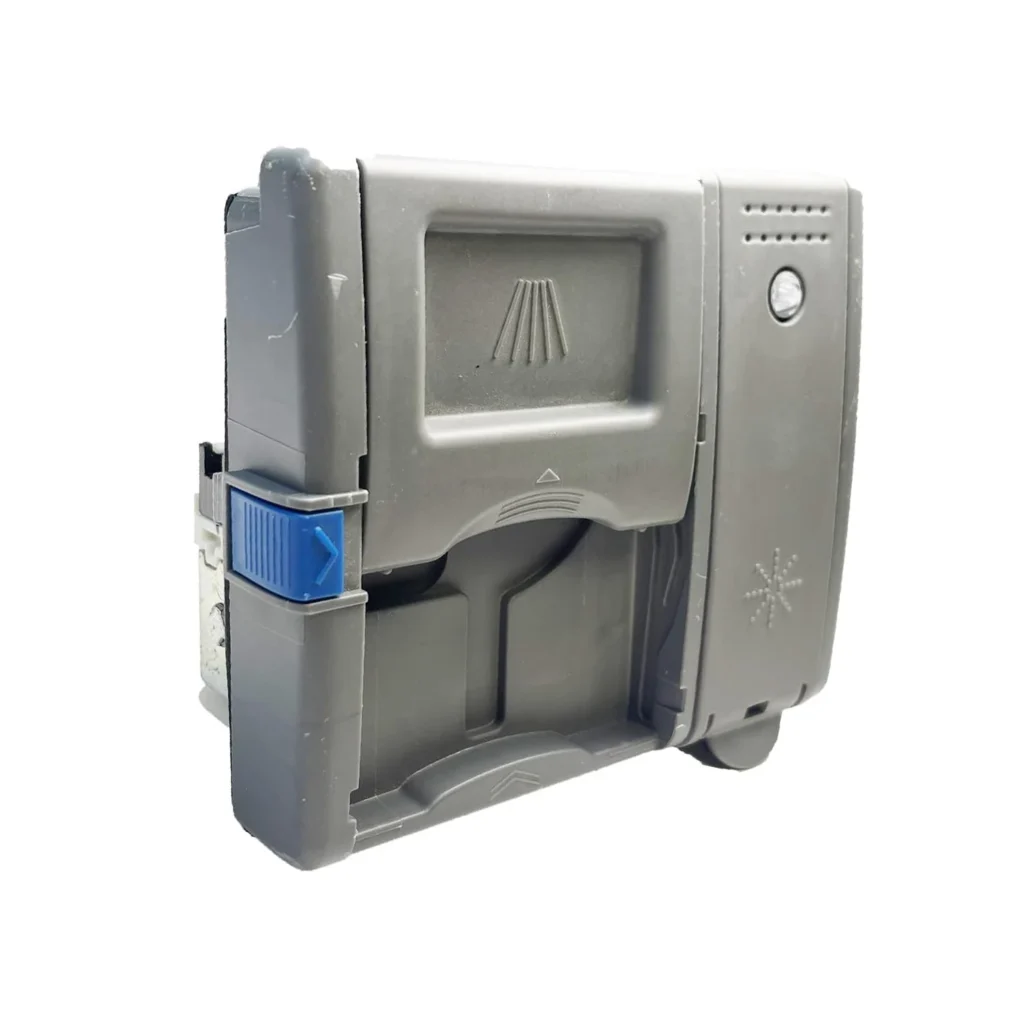
The DD81-02628A detergent and rinse aid dispenser assembly is the mechanism that opens at the right moment during your wash cycle. When it fails, you're essentially running an expensive rinse-only cycle. Let's walk through what actually breaks and how to diagnose it without guessing.
Quick Symptom Check
Your Samsung dishwasher might have a dispenser problem if you're seeing:
- Detergent cup remains closed: Pod or powder sits untouched through entire cycle
- Dispenser door stuck open: Won't latch properly before cycle starts
- Partial opening: Door cracks open but doesn't fully release detergent
- Rinse aid leaking: Blue liquid pooling in bottom of dishwasher between cycles
- Clicking sound during wash: Actuator trying to open door but mechanism jammed
Cause #1: Detergent Buildup Blocking the Door (40% of Cases)
Here's what nobody tells you: powder detergent turns into concrete when it gets wet repeatedly. That little bit of moisture in your dishwasher between cycles? It creates a crusty layer around the dispenser door edges that eventually glues the thing shut.
How to diagnose: Open your dishwasher door and look at the dispenser on the inside of the door panel. Run your finger along the edges of the detergent cup door. Feel any rough, crusty buildup? Try to manually open and close the dispenser door. Does it stick or require force?
The fix: Remove all the crusty residue with an old toothbrush and white vinegar. Pay special attention to the hinge points and the latch area. If you've been using powder detergent, this is your wake-up call to switch to pods or liquid — or at least wipe down the dispenser weekly.
Cost: $0 (cleaning supplies you already have)
Difficulty: Easy — 5 minutes with a toothbrush
Cause #2: Broken Actuator Mechanism (30% of Cases)
The DD81-02628A assembly includes a spring-loaded actuator that gets triggered by a small wax motor. This motor heats up during the wash cycle, expanding wax that pushes a pin that releases the door. Sounds complicated because it is. And that wax motor has a lifespan.
How to diagnose: Start a wash cycle and listen carefully about 15 minutes in (when detergent should dispense). Do you hear a clicking or buzzing sound coming from the dispenser area? That's the actuator trying to work. If you hear nothing, the wax motor might be dead. If you hear clicking but the door doesn't open, the mechanical linkage is broken.
Here's the test: manually open the dispenser door and close it. Does it snap shut firmly? Does the spring mechanism feel intact? If the door won't stay latched or feels loose, the internal components have failed.
The fix: This requires replacing the entire DD81-02628A assembly. The actuator isn't sold separately, and even if it was, you'd spend more time disassembling things than it's worth. Compatible with models like DW80M2020US/AA, DW80N3030US/AA, DW80R2031US/AA, and dozens of other Samsung dishwashers from 2016 onward.
Cost: $206.99 for the complete assembly
Difficulty: Moderate — about 30 minutes if you're methodical
Cause #3: Worn Door Latch Spring (15% of Cases)
The dispenser door needs to stay firmly closed until the actuator releases it. A small spring keeps tension on the latch. After a few thousand cycles, that spring loses its grip. You'll notice the door doesn't click shut anymore — it just sort of rests in place.
How to diagnose: Close the dispenser door and give it a gentle tap. Does it pop back open? That's a worn spring. The door should require deliberate force to open when latched properly.
The fix: Unfortunately, that spring is integrated into the assembly. You can't buy it separately. If the spring has weakened enough to cause problems, you're looking at replacing the whole DD81-02628A unit. Some people try bending the existing spring to add tension — works for maybe a month before it fails completely.
Cost: $206.99 (full assembly replacement)
Difficulty: Same as Cause #2 — they're the same repair
Cause #4: Detergent Cup Door Hinge Broken (10% of Cases)
The door is plastic. The hinge points are plastic. And plastic plus hot water plus mechanical stress equals eventual failure. You'll typically see a small crack near where the door pivots, or one of the hinge posts snaps off completely.
How to diagnose: Visually inspect both hinge points on the dispenser door. Look for cracks, missing pieces, or a door that sits crooked when closed. Try opening and closing it — does it feel wobbly or misaligned? That's your hinge giving up.
The fix: Some people get creative with plastic epoxy or superglue here. I've seen repairs last six months. But you're really just delaying the inevitable. The replacement DD81-02628A assembly comes with fresh hinges, a new door, new springs — everything.
Cost: $206.99 (or $3 for epoxy if you're feeling lucky)
Difficulty: Full replacement is the smart move
Cause #5: Control Board Not Triggering Dispenser (5% of Cases)
This is the least common but most frustrating cause. Your dispenser mechanism is perfect — but the control board never sends the signal to open it. Usually happens after a power surge or when the board develops a bad relay.
How to diagnose: This requires a multimeter test during an actual wash cycle. You'd need to access the wiring harness connected to the dispenser and check for voltage when the door should open (typically 15-18 minutes into the cycle). If you're getting no voltage, the problem is upstream — either wiring or the control board itself.
The fix: Check the wire harness connection first — it's a simple plug that can work loose. If the connection is solid and you're still getting no voltage, you're looking at control board diagnostics, which is honestly beyond most DIY comfort zones.
Cost: $0 if it's a loose wire, $200-400 if it's the control board
Difficulty: Hard — requires electrical testing knowledge
How to Replace the DD81-02628A Dispenser Assembly
If you've determined the dispenser assembly needs replacement, here's the process:
- Disconnect power: Unplug the dishwasher or flip the breaker. Not optional.
- Open the dishwasher door: The dispenser is on the inside of the door panel.
- Remove the inner door panel: There are typically 6-8 Torx screws around the perimeter of the inner door. Remove these to access the back of the dispenser.
- Disconnect the wire harness: Note the orientation before unplugging it.
- Remove mounting screws: Usually 2-3 screws holding the dispenser assembly to the door.
- Install the new DD81-02628A assembly: Reverse the process. Make sure the wire harness clicks fully into place.
- Test before reassembling: Run a short cycle with the inner door panel just resting in place (not screwed down) to confirm the new dispenser opens properly.
This part replaces AP6807446, PS12593036, and DD81-02202A if you're cross-referencing part numbers. Compatible with Samsung dishwasher models from approximately 2016 to present, including the DW80M, DW80N, and DW80R series.
When to Call a Pro
If you've tested the dispenser manually and it works fine, but it still won't open during a cycle AND you've verified the wire connection is solid — that's when I'd call someone. You're into control board diagnostics at that point, and unless you're comfortable with a multimeter and wiring diagrams, a service tech can diagnose it in 15 minutes versus you spending three hours and possibly making it worse.
Also, if you're not confident removing that inner door panel, there's no shame in calling for help. Those Torx screws are usually fine, but if you strip one or crack the panel trying to pry it off, you've just turned a $207 repair into a $400+ nightmare.
Preventing Future Dispenser Problems
Once you've got your dispenser working again:
- Switch to liquid detergent or pods — powder is the enemy of dispenser mechanisms
- Wipe down the dispenser cup monthly with a damp cloth
- Don't overfill — more detergent doesn't mean cleaner dishes, just more buildup
- Leave the dishwasher door cracked open between uses to reduce moisture
- If you use rinse aid, check monthly for leaks around the cap — catches problems early
Frequently Asked Questions
Can I just leave the dispenser door open and throw detergent in the bottom of the dishwasher?
Technically yes, but your dishes won't get as clean. The dispenser is timed to release detergent during the main wash cycle, not the pre-rinse. If you dump detergent in the bottom, most of it washes away during that initial rinse phase before the real cleaning starts. You'll use 3x as much detergent for worse results. Fix the dispenser properly.
Why does my dispenser door open but detergent stays stuck inside?
Two reasons: either you're using powder that's gotten damp and caked up, or you're using pods in a dispenser designed for powder and the pod is too large to fall out. If the door is opening fully (you can verify by checking mid-cycle), switch detergent types. Powder users should try liquid. Pod users should try a smaller pod or liquid.
Will the DD81-02628A fit my older Samsung dishwasher from 2014?
Check your model number against the compatibility list. This assembly is designed for mid-2016 and newer Samsung dishwashers (DW80M, DW80N, DW80R series primarily). Earlier models used the DD81-01524A assembly, which has a different mounting configuration. Using your full model number (including the revision code after the slash) is critical for getting the right part.
Diagnosed the problem?
DD81-02628A · In Stock · Fast shipping