
Samsung Dishwasher Won't Start — 5 Door Switch Failures & How to Fix
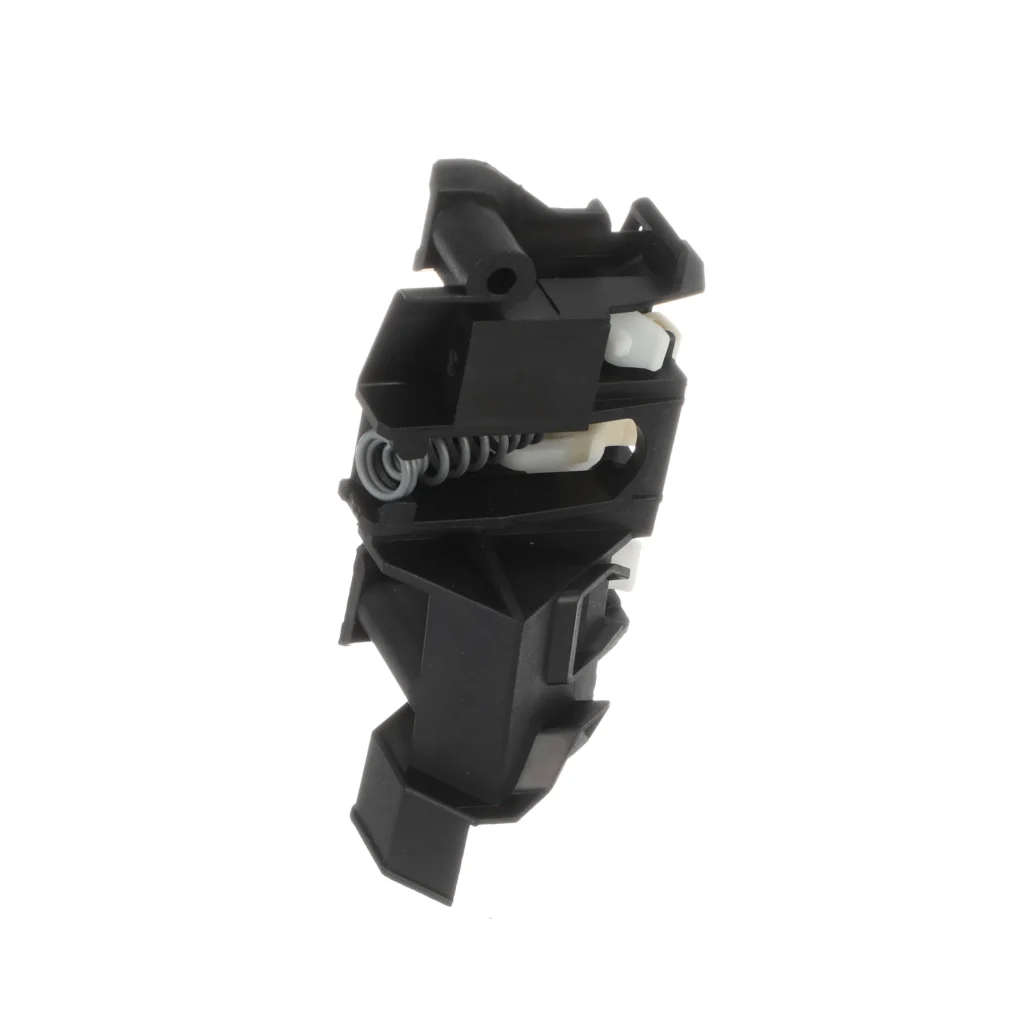
You load the dishes, add detergent, press Start... and nothing. The control panel lights up, you hear a faint beep, but the wash cycle never begins. If you've got a Samsung dishwasher that refuses to start despite having power, there's a 70% chance the door switch (DD34-00007A) has failed. This tiny component tells your dishwasher the door is securely latched — without that signal, the machine won't run as a safety precaution.
The DD34-00007A door switch is found in Samsung's premium models including the DW80J9945US, DW80J7550UG, and DW80M9960US series. It's a mechanical switch that typically fails after 3-5 years of daily use, often with zero warning signs until the day it quits completely.
Quick Symptom Check
Your Samsung dishwasher likely has a failed door switch if you're experiencing:
- Won't start despite pressing Start button — control panel responsive but no water fills
- Displays error code LE or OE — though door appears fully closed
- Starts only after slamming door multiple times — intermittent contact issue
- Beeps when you press Start but doesn't fill — acknowledges command but won't engage
- Control panel lights work but no cycle begins — power reaching controls but not motor
The door switch operates on a simple principle: when you close the door, a plastic actuator presses against the switch mechanism, completing an electrical circuit. Once that circuit closes, the control board receives permission to start the wash cycle. When the switch wears out or the contacts corrode, that permission signal never arrives.
Cause #1: Worn Mechanical Contacts (65% of Cases)
Why it happens: The DD34-00007A uses spring-loaded metal contacts that physically touch when the door closes. After thousands of open-close cycles, these contacts develop pitting and carbon buildup. Eventually, they can't make reliable electrical connection even when properly compressed.
How to diagnose: Open the dishwasher door and locate the door switch assembly on the right side of the door frame (you may need to remove the inner door panel). With the dishwasher unplugged, use a multimeter set to continuity mode. Manually press the switch actuator — you should hear a click and see continuity (0 ohms). If you get no continuity or intermittent readings, the contacts are shot.
Probability: If your dishwasher is 3+ years old and the door closes normally, this is your issue 65% of the time.
The fix: The switch isn't repairable — you'll need to replace it with a new DD34-00007A. The part costs $53.99 and takes about 30 minutes to install. You'll need to remove the door's inner panel by unscrewing 6-8 Torx screws around the perimeter, disconnect the wire harness, unbolt the old switch, and install the new one.
Cause #2: Broken Plastic Actuator Arm (20% of Cases)
Why it happens: The door latch includes a plastic tab that physically pushes against the switch when you close the door. This tab can crack or break off entirely, especially if the door is routinely slammed or if something prevents it from closing smoothly. Without this actuator, the switch never gets pressed even though the door latches.
How to diagnose: Open the door and examine the latch assembly. Look for the small plastic protrusion that should press against the switch. If it's cracked, shortened, or missing, that's your problem. You can also manually press the switch with a screwdriver while the door is open — if the dishwasher starts (don't run it with the door open!), the switch works but isn't being activated properly.
Probability: About 20% of "won't start" issues trace back to latch hardware rather than the switch itself.
The fix: If only the actuator arm is broken, you might get away with replacing just the door latch assembly (cheaper than a full door overhaul). However, if you're already in there, replace the switch too — it's probably near end-of-life anyway. Some techs use a small metal bracket to extend a shortened actuator as a temporary fix, but that's not a long-term solution.
Cause #3: Corroded Wire Connections (10% of Cases)
Why it happens: Dishwashers are humid environments. The wire harness connections to the door switch can develop corrosion, especially if you've had any leaks that dripped down into the door cavity. Green or white crusty buildup on the connector terminals blocks electrical flow just as effectively as a broken switch.
How to diagnose: Disconnect the wire harness from the door switch and inspect both the switch terminals and the harness connector. Look for discoloration, corrosion, or terminals that feel loose. Test continuity through the wiring from the switch location back to the control board — you should see minimal resistance (under 2 ohms).
Probability: Less common in newer models like the DW80M9960US, more common in older DW80J-series units that are 5+ years old.
The fix: Clean corroded terminals with electrical contact cleaner and a small wire brush. If the corrosion has eaten through the wire insulation or terminals, you'll need to cut back the wire and crimp on new terminal connectors. Replace the switch at the same time if it shows any signs of moisture intrusion.
Cause #4: Misaligned Door (3% of Cases)
Why it happens: If the dishwasher wasn't leveled properly during installation, or if the mounting screws have loosened over time, the door can hang slightly crooked. Even 2-3mm of misalignment can prevent the latch actuator from fully depressing the door switch.
How to diagnose: Close the door and look at the gap between the door and the tub opening. It should be even on both sides. If one side has a larger gap, the door is twisted. You can also listen for the latch click — it should sound crisp and confident, not weak or hesitant.
Probability: Rare, but worth checking before you buy parts. Takes 5 minutes to verify.
The fix: Loosen the mounting screws that secure the dishwasher to the countertop (usually two screws in the top corners). Adjust the front leveling legs until the door hangs evenly, then re-tighten the mounting screws. Test the door latch action — it should close firmly with a solid click. If alignment doesn't solve it, the switch itself is likely worn.
Cause #5: Failed Control Board (2% of Cases)
Why it happens: Very rarely, the issue isn't the switch at all — it's the main control board failing to read the switch signal. A damaged relay, burned trace, or failed input circuit can ignore a perfectly functional door switch. This usually happens after a power surge or lightning strike.
How to diagnose: This is a diagnosis of elimination. If you've confirmed the switch works (shows proper continuity when pressed), the wiring is intact, and the door aligns correctly, but the dishwasher still won't start, the control board may not be processing the switch input. You'd need a wiring diagram and voltage testing to confirm.
Probability: Under 2% of cases, but catastrophically expensive if it's the problem.
The fix: Control board replacement runs $200-400 in parts plus labor. Before you commit to this, make absolutely certain the switch, wiring, and latch are all functioning. Many techs will test with a jumper wire — if bypassing the switch makes the dishwasher start, the board is fine and the switch is definitely the culprit.
When to Call a Pro
Replacing the DD34-00007A door switch is a straightforward DIY job if you're comfortable with basic tools and following YouTube tutorials. The hardest part is removing the door's inner panel without stripping the Torx screws. That said, call a professional if:
- You've replaced the switch and the problem persists (likely a control board issue)
- There's visible water damage inside the door or control area (may need extensive repairs)
- The door doesn't latch at all or feels loose (could indicate damaged hinges or tub frame)
- You're seeing multiple error codes or erratic behavior (points to electrical problems beyond the switch)
A service call typically costs $150-250 for diagnosis and switch replacement, so the DIY approach saves you about $100-150 if you're handy.
Frequently Asked Questions
Will my Samsung dishwasher work if I bypass the door switch?
Technically yes — if you jumper the switch wires together, the dishwasher will think the door is always closed and start normally. But this is dangerous. The door switch exists to prevent the dishwasher from spraying water everywhere if the door opens mid-cycle. Bypassing it means you could open the door during operation and flood your kitchen. It's fine as a 30-second diagnostic test, but never run it that way permanently.
Can I use a generic door switch instead of the DD34-00007A?
Not recommended. Samsung dishwashers use a specific switch design with mounting holes and electrical specifications matched to the door assembly. Generic switches won't fit without modification, and their electrical ratings may not match (risking control board damage). The DD34-00007A is the correct part for DW80J and DW80M series models — don't compromise with "close enough" parts on a safety component.
Why does my dishwasher start sometimes but not others?
This is the classic sign of a failing door switch with intermittent contact. The metal contacts inside are pitted just enough that they make connection on some door closures but not others. It depends on microscopic variations in how the actuator presses the switch. This will only get worse — if you're in the intermittent failure stage, replace the switch now before it fails completely the night before you're hosting Thanksgiving dinner.
Diagnosed the problem?
DD34-00007A · In Stock · Fast shipping