
Samsung Washer Loud Grinding During Spin — 5 Drum Flange Failures & Fixes
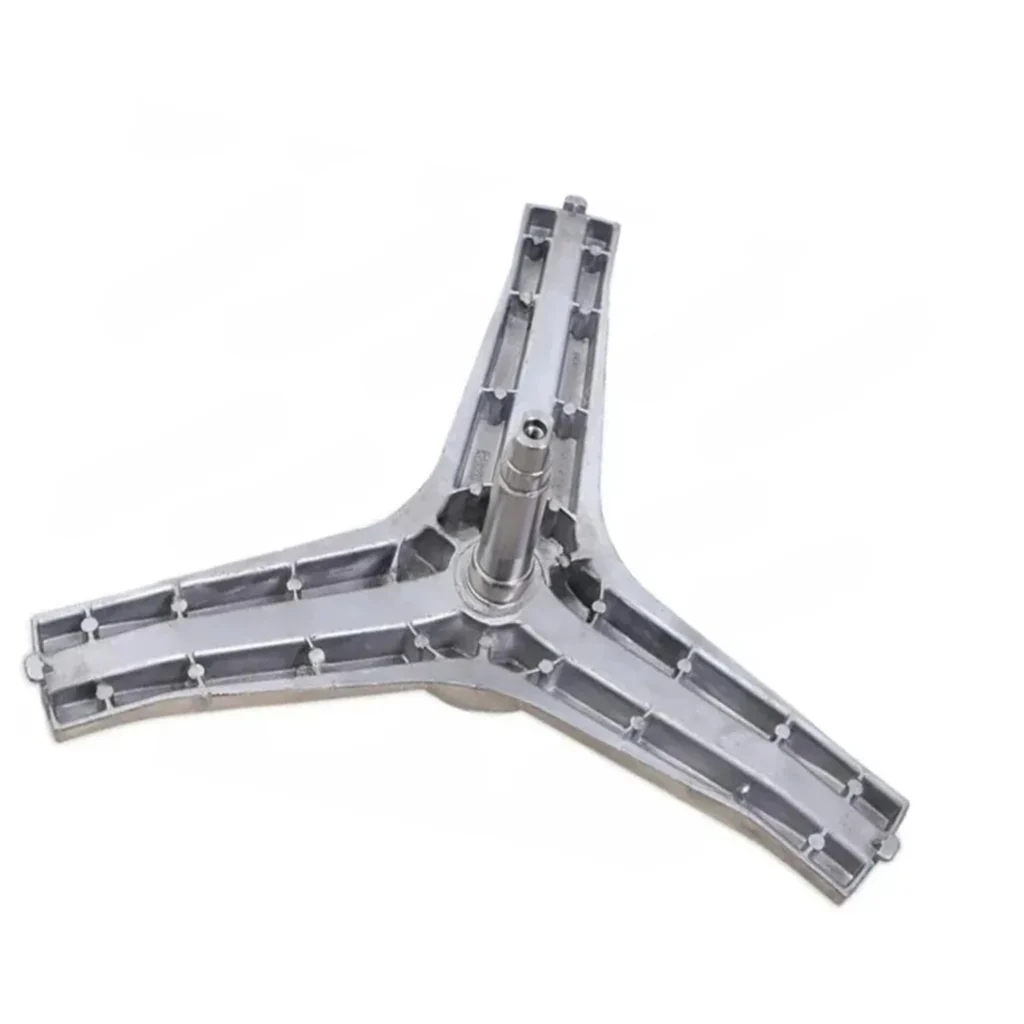
You're loading the washer, it starts spinning, and suddenly there's a grinding noise that sounds like rocks tumbling in a cement mixer. The washer still runs, but that metal-on-metal scraping makes you cringe every time. You've checked the drum for coins, inspected the belt — nothing obvious. The problem is likely deeper: the drum flange shaft assembly is failing.
The DC97-14369G drum flange shaft is the central hub your Samsung front-loader's drum rotates around. When it wears out or the bearings seize, you'll hear grinding, knocking, or see the drum wobbling during spin cycles. This part takes constant abuse — thousands of spin cycles at 1200+ RPM — and eventually the bearings fail or the shaft develops play.
Quick Symptom Check
Your washer needs the drum flange assembly (DC97-14369G) replaced if you notice:
- Loud grinding or scraping during spin cycle — sounds metallic, gets worse under load
- Thumping or knocking from the rear drum — especially during high-speed spin
- Visible drum wobble — drum moves side-to-side excessively when you push it by hand
- Rust-colored water leaking from rear — failed bearing seal letting water reach bearings
- Excessive vibration during spin — worse than normal, even with balanced load
If you're hearing the noise but the washer still completes cycles, you've caught it early. Once bearings fully seize, the drum won't spin at all.
Cause #1: Worn Drum Bearings (Most Common — 60% of Cases)
The drum flange assembly contains two sealed bearings that allow the drum to spin freely. Over time — typically 7-10 years or 3000+ wash cycles — these bearings wear down. Water seeping past the seal accelerates the process, causing rust and grinding.
How to diagnose: With the washer off and empty, manually rotate the drum. You should feel smooth, quiet rotation. If you hear grinding, feel resistance, or notice rough spots, the bearings are shot. Push the drum back and forth — if there's more than 1/4 inch of play, the bearings have excessive wear.
Probability: 60% if you hear grinding with visible drum movement.
Fix difficulty: Advanced. This requires disassembling the entire front panel, removing the drum, and pressing out old bearings. Most DIYers replace the entire drum flange assembly (DC97-14369G) rather than pressing in new bearings alone.
Cost: $250-280 for the assembly, $450-600 if you hire a tech.
Cause #2: Failed Bearing Seal Allowing Water Intrusion
The bearing seal prevents wash water from reaching the drum bearings. When this rubber seal cracks or hardens (usually from detergent buildup or age), water gets past it. Once water hits the bearings, rust forms rapidly and grinding starts within weeks.
How to diagnose: Look for rust-colored streaks on the floor behind your washer, or pull the machine forward and check the rear panel for orange residue. If you see rusty water, the seal has failed and the bearings are already compromised.
Probability: 25% if you have water leaks plus noise.
Fix difficulty: Same as bearing replacement — the seal is part of the drum flange assembly (DC97-14369G). You're replacing the entire unit.
Cost: $250-280 for parts.
Cause #3: Loose or Damaged Shaft Mount Bolts
The drum flange bolts to the rear of the outer drum housing. If these bolts loosen (rare but possible from excessive vibration), the shaft develops play and creates knocking sounds. You'll hear it especially during the transition from wash to spin.
How to diagnose: Access the rear of the drum assembly. Check the three bolts securing the flange to the outer tub. If you can move the shaft by hand or the bolts turn easily, they've loosened. This usually happens only if the machine's been moved frequently or installed on an unstable floor.
Probability: 10% — uncommon but worth checking before replacing parts.
Fix difficulty: Moderate if accessible. Tighten bolts to 25-30 ft-lbs. If threads are stripped, you'll need the full assembly replacement.
Cost: $0 if just tightening, $250+ if threads damaged.
Cause #4: Cracked or Bent Drum Shaft
Physical impact — like overloading with heavy items or shipping damage — can crack or bend the drum shaft itself. This creates an off-center rotation that sounds like thumping or wobbling during spin. Less common than bearing failure but catastrophic when it happens.
How to diagnose: With drum empty, spin it by hand and watch the center shaft. If you see wobble or the drum doesn't rotate true, the shaft is bent. A cracked shaft usually shows visible fracture lines near the mounting flange.
Probability: 5% unless there's been trauma to the machine.
Fix difficulty: Requires full drum flange assembly replacement (DC97-14369G).
Cost: $250-280 for assembly.
Cause #5: Worn Spider Arm Assembly Connection
The spider arm connects your drum to the flange shaft. If corrosion or stress cracks develop where the spider arm mounts to the flange, you'll get movement and noise. This typically happens in high-humidity environments or if you use too much detergent (causes residue buildup and corrosion).
How to diagnose: You'll need to remove the drum and inspect the spider arm mounting points. Look for cracks, corrosion, or loose fitment. If the spider arm has play where it meets the flange, that's your culprit.
Probability: 15% in washers 8+ years old.
Fix difficulty: Advanced — requires drum removal and potentially replacing both spider arm and drum flange assembly.
Cost: $350-500 including both parts if spider arm also needs replacement.
When to Call a Pro
Be honest: drum bearing and flange replacement is a 4-6 hour job requiring specialized tools (bearing press or heavy mallet, tub spreader tool, drum removal). If you're not comfortable disassembling the entire washer front and rear panels, this isn't a beginner repair.
Call a professional if:
- You don't have 4-6 hours and a full socket set
- The washer is still under extended warranty
- You're not confident pressing bearings or handling the 40+ lb drum assembly
- The spider arm also shows damage (doubles repair complexity)
A pro will charge $450-650 installed for the DC97-14369G assembly replacement. That includes labor, which is the bulk of the cost. If you're paying someone, ask them to inspect and potentially replace the spider arm at the same time — it's minimal extra labor once the drum's out.
Frequently Asked Questions
Can I keep using my Samsung washer if it's grinding during spin?
Short-term, yes — the washer will still clean clothes. But running it with failed bearings causes progressive damage. The grinding wears down the shaft, damages seals, and can eventually crack the outer tub housing. That turns a $250 repair into a $600+ repair or total replacement. Fix it within a month of first hearing the noise.
Why does my Samsung front-loader make noise only during high-speed spin?
Bearings operate under the most stress during spin cycle when RPMs hit 1200+. Early bearing wear shows up only at high speed. As damage progresses, you'll eventually hear it during regular wash agitation too. The grinding-only-during-spin symptom means you've caught it relatively early.
Is the DC97-14369G compatible with all Samsung front-load washers?
No — it fits specific models like the WF8814ASA, WF106U4SAGD, WF1704YPV, WW22K6800AW, and others listed in the compatibility chart. Always verify your exact model number (found inside the door frame or on the rear panel) before ordering. Using the wrong flange assembly will cause immediate failure or won't fit at all.
Diagnosed the problem?
DC97-14369G · In Stock · Fast shipping