
Samsung Washer Leaking from Door — 5 Causes & How to Fix
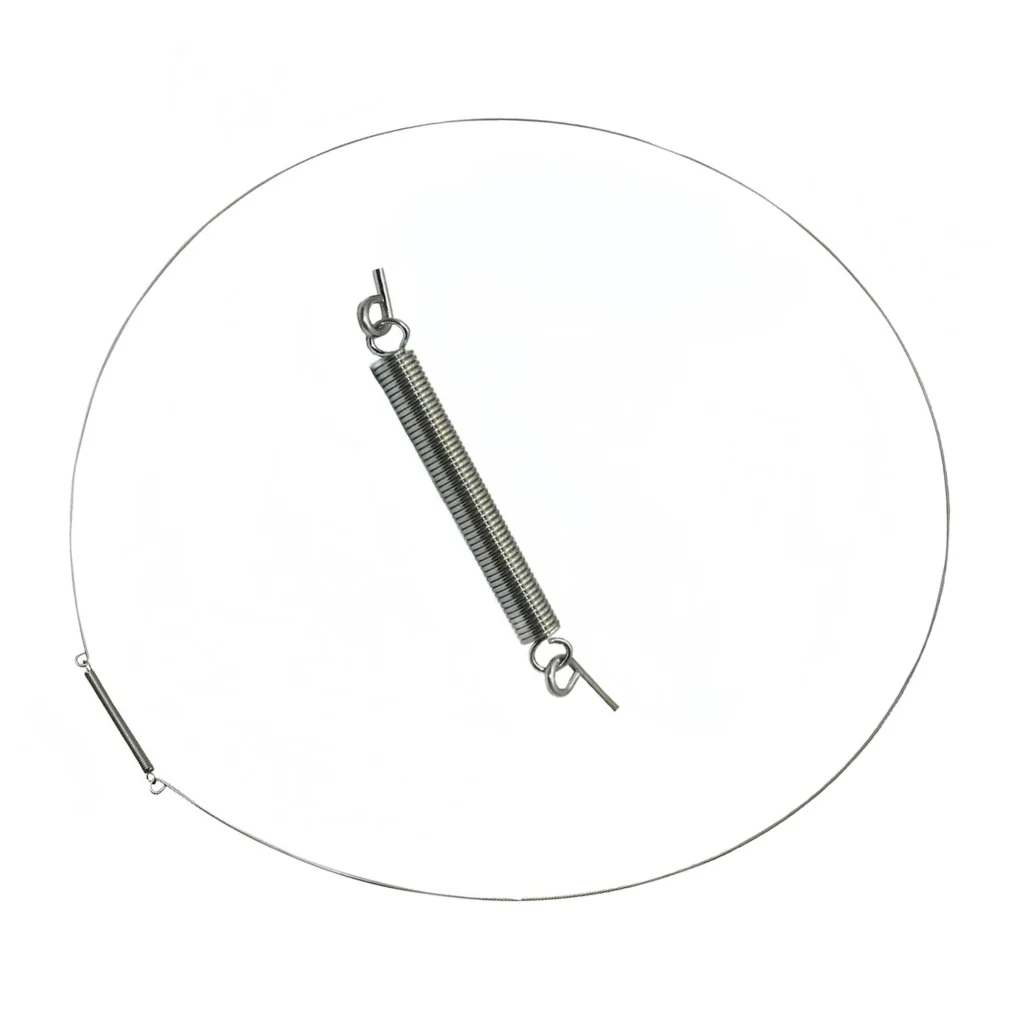
You're loading a basket of towels into your Samsung front-loader when you notice a puddle spreading across your laundry room floor. The water's clearly coming from around the door area, and it's getting worse with every wash cycle. If your WF338AAW, WF419AAW, or any Samsung front-load washer is leaking from the door seal area, you're dealing with one of five specific failures — and the boot spring clamp (part DC97-04973B) is often the culprit.
Front-load washers depend on a tight seal between the door boot and the drum. When that seal fails, water escapes during the wash or spin cycle. The good news? Most door leak issues are fixable without replacing the entire boot seal — you just need to identify what's actually failing.
Quick Symptom Check
- Water pooling in front of washer during wash cycle — most common sign
- Dampness around bottom of door seal — early warning
- Water dripping from door area during spin — indicates loose clamp or torn boot
- Visible gap between boot and drum housing — clamp has failed
- Musty smell from door area — water's been leaking into hidden spaces
Cause #1: Failed or Loose Door Boot Spring Clamp
Probability: 65% | Part: DC97-04973B | Cost: $14.99
The spring clamp holds your door boot tight against the outer tub. Over time, the spring tension weakens or the clamp breaks completely. When this happens, the boot pulls away from the tub housing and water leaks out during the wash cycle.
How to diagnose:
- Unplug the washer and open the door fully
- Pull back the front lip of the rubber door boot
- Look for the spring clamp — it's a wire ring that wraps around the boot
- Check if the clamp is broken, stretched, or sitting loose in its groove
- Run your finger around the entire circumference — if the boot isn't firmly seated everywhere, your clamp has failed
The fix: The DC97-04973B replacement clamp installs without removing the entire door boot. You'll compress the new spring clamp and work it into the groove around the boot's outer edge. Use a flathead screwdriver to ensure it seats completely — any gap will cause leaks.
Cause #2: Torn or Damaged Door Boot Seal
Probability: 20% | Severity: High
Sharp objects like underwire bras, metal zipper pulls, or coins can puncture the rubber boot. Even a tiny tear becomes a major leak once water pressure hits during the wash cycle.
How to diagnose:
- Open the door and peel back the boot's inner fold
- Inspect the entire rubber surface for cuts, tears, or holes
- Check the bottom area especially — that's where debris collects
- Look for white residue or mold around any damaged areas
Small tears (under 1 inch) can sometimes be patched with waterproof rubber adhesive, but anything larger means you need a full boot replacement. If the boot itself is damaged, you'll need that along with the DC97-04973B clamp to complete the repair.
Cause #3: Clogged or Damaged Drain Filter
Probability: 8% | Check Time: 5 minutes
This seems unrelated, but a clogged drain filter causes water to back up and overflow through the door seal. It's an indirect cause, but worth checking before you order parts.
Quick check: Open the small access panel at the bottom front of your washer (usually lower right). Slowly unscrew the drain filter — have towels ready because water will pour out. If the filter's packed with lint, coins, or debris, clean it thoroughly and test the washer. If the leak stops, you just saved yourself a repair.
Cause #4: Worn Door Strike or Latch Mechanism
Probability: 5% | Models: WF448AAW series particularly affected
If your door doesn't close tightly or seems loose when latched, the door strike may be worn. This prevents the door from compressing the boot seal properly, allowing water to escape during the wash cycle.
Test this: Close the door and try wiggling it side-to-side. If there's any play, your latch isn't holding the door tight against the boot seal. You'll hear the door rattle during spin cycles if this is your problem.
Cause #5: Misaligned Front Panel or Housing
Probability: 2% | Usually follows previous repair work
If someone recently serviced your washer and didn't reinstall the front panel correctly, the door boot groove might not align with the housing. This creates gaps where water escapes.
This is rare unless you've had recent repair work done. The fix requires carefully removing and realigning the front panel — definitely a two-person job.
The 10-Minute Diagnosis Path
- Check the drain filter first (5 minutes) — eliminates the easiest fix
- Inspect the door boot clamp (3 minutes) — covers 65% of cases
- Look for visible tears in the boot (2 minutes) — obvious when present
- Test door latch tightness (30 seconds) — quick wiggle test
In most Samsung front-loader door leak cases, you're replacing the DC97-04973B spring clamp. It fits models WF338AAW, WF419AAW, WF209ANW, WF210ANW, WF331ANW, WF410ANW, WF431ABW, WF448AAW, WF511ABW, and dozens of other Samsung front-load washers.
When to Call a Pro
Call a technician if:
- The leak continues after replacing the clamp and checking the boot
- You find water leaking from behind the washer (indicates internal hose failure)
- The outer tub housing shows cracks or damage
- You're not comfortable working with the spring clamp — it requires some hand strength to install correctly
The clamp replacement is straightforward for most DIYers, but if you're dealing with a torn boot that needs full replacement, the job becomes significantly more involved. That's a 90-minute repair that requires removing the entire front panel.
Frequently Asked Questions
Can I use a universal door boot clamp instead of DC97-04973B?
No, don't risk it. Generic clamps don't provide the exact spring tension Samsung engineered for these models. You might stop the leak temporarily, but improper tension can damage the boot seal over time. The DC97-04973B is specifically designed for the WF series front-loaders and replaces original part numbers AP4336356, 2025747, and PS4218211.
Why does my Samsung washer leak only during the spin cycle?
Spin cycle leaks indicate the door boot clamp has loosened but hasn't failed completely. During spin, centrifugal force pushes water outward with more pressure than during the wash cycle. That extra pressure finds any small gap in the boot seal. If you're only seeing leaks during spin, replace the clamp before the problem gets worse.
How long does the DC97-04973B door boot clamp last?
Expect 5-7 years under normal use. Heavy usage (more than 10 loads per week) or frequent overloading can shorten that to 3-4 years. The spring metal fatigues over time, and exposure to detergents and moisture gradually weakens the tension. Once you replace it, you shouldn't need to touch it again for years — unless you're consistently overloading the washer.
Diagnosed the problem?
DC97-04973B · In Stock · Fast shipping