
Samsung Refrigerator Water Leaking Inside — 5 Causes & How to Fix
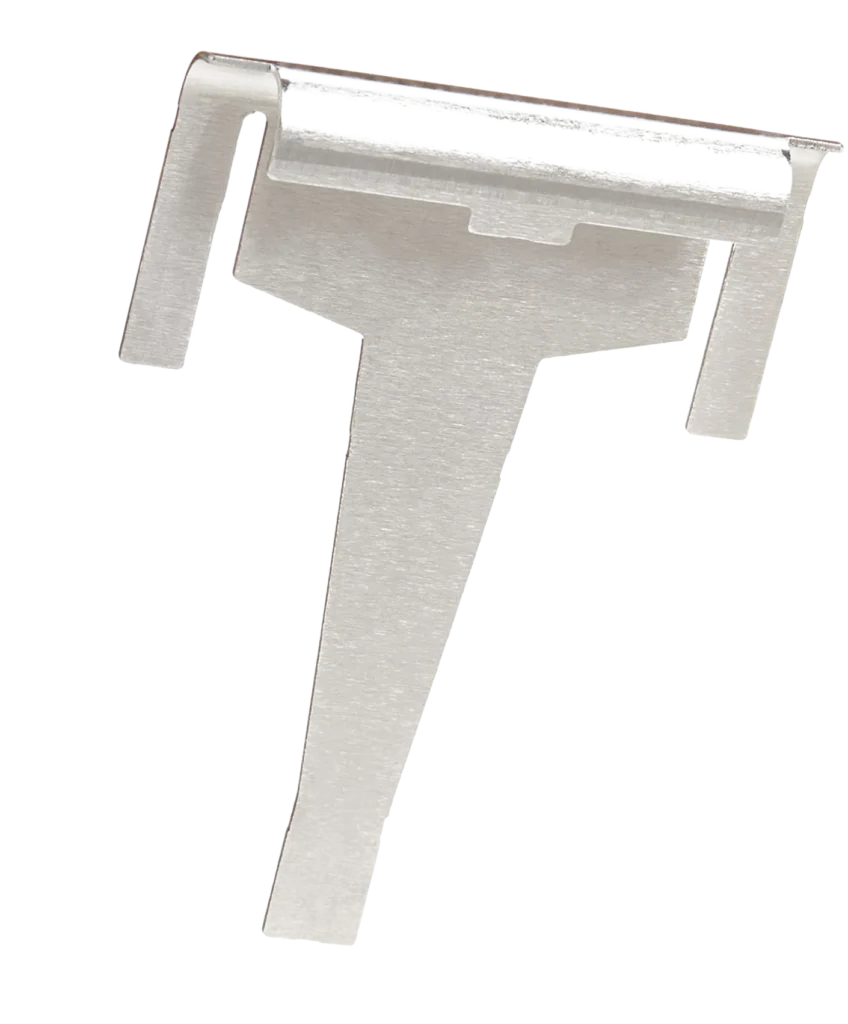
You open your Samsung fridge and there's a puddle under the crisper drawers. Again. The water pools faster than you can mop it up, and now your vegetables are sitting in a mini swimming pool. If you've got models like the RF217ACWP, RF28JBEDBSR, or RS265TDRS, this is almost always a clogged or disconnected drain system — and that little evaporator drain clip (DA61-06796A) plays a bigger role than you'd think.
Most Samsung French door and side-by-side models use a drain tube that carries defrost water from the evaporator to the drain pan. When that clip breaks or shifts, the tube disconnects and water goes exactly where it shouldn't — straight into your fresh food compartment.
Quick Symptom Check
- Water pooling under crisper drawers: Classic sign of drain tube disconnection
- Ice buildup in freezer floor: Indicates drain is frozen, not just loose
- Water dripping from ceiling of fridge compartment: Tube disconnected higher up in evaporator area
- Frost accumulation on back wall: Drain system can't keep up with defrost cycle
- Musty smell from bottom of fridge: Standing water has been there awhile
Cause #1: Broken or Missing Drain Clip (Most Likely — 60%)
The DA61-06796A clip holds the evaporator drain tube in place. It's plastic, it's in a cold-to-warm transition zone, and it fails. When it breaks, the tube drops away from the drain opening and defrost water has nowhere to go but into your fridge.
How to diagnose:
- Unplug the refrigerator
- Remove the back panel inside the freezer compartment (usually 4-6 screws)
- Locate the evaporator coils and the drain trough at the bottom
- Check if the drain tube is firmly attached to the drain opening — if it's dangling or the clip is cracked, you've found it
The fix: Replace the clip with DA61-06796A (also replaces DA61-14306A). Push the tube firmly into the drain opening, snap the new clip over it, and make sure it's secure. Cost: about $10. Difficulty: Easy if you can handle a screwdriver.
Cause #2: Frozen Drain Tube (30%)
Even with the clip intact, the drain can freeze solid. This happens when the defrost heater doesn't melt all the ice, or when humidity is high and the drain stays wet between cycles.
Diagnosis: Pour a cup of warm (not boiling) water down the drain hole while the back panel is off. If it doesn't drain immediately, it's frozen.
The fix: Use a turkey baster with hot water to flush the line, or blow warm air through with a hairdryer (keep it moving, don't melt plastic). Once clear, check that the defrost heater is working — if it's failing, the drain will just freeze again. Models like the RF28R7201SR and RF263BEAESR are particularly prone to this in humid climates.
Cause #3: Clogged Drain with Food Debris (20%)
Small particles — bits of food packaging, ice crystals, even mold — can plug the drain opening. You'll see water but no ice, and flushing with water won't help because there's a physical blockage.
The fix: Use a flexible pipe cleaner or a small piece of tubing to gently clear the drain hole. Don't use anything metal or sharp that could puncture the tube. After clearing, flush with warm water mixed with a little vinegar to discourage mold growth.
Cause #4: Drain Tube Disconnected at Drain Pan End (15%)
The tube runs from the evaporator down to the drain pan under the fridge. If the lower connection comes loose (common on models like the RB217ABPN), water leaks inside the cabinet but never makes it to the pan.
Diagnosis: Pull the fridge away from the wall, remove the lower rear panel, and trace the tube to the drain pan. If it's not firmly inserted, that's your leak.
The fix: Reconnect the tube and secure with a zip tie if needed. While you're there, clean the drain pan — standing water breeds bacteria and causes that signature musty smell.
Cause #5: Cracked Drain Pan (5%)
Rare but possible. If the drain pan itself has cracked, water collects under the fridge and can wick back up into the cabinet through insulation gaps.
Diagnosis: Look for water under the fridge, not just inside. The pan usually sits on the compressor or near it, and you'll see actual cracks or splits.
The fix: Replace the drain pan. You can temporarily seal small cracks with epoxy, but replacement is the only real fix.
When to Call a Pro
If you've replaced the clip, cleared the drain, and water still appears, you might have a defrost system failure — bad heater, faulty thermostat, or control board issue. These require diagnostic tools and specific part numbers for your model. Also call if you're uncomfortable removing the evaporator cover; those panels can be tricky on models like the RF266AEWP/XAA with complex ice maker plumbing.
Frequently Asked Questions
How often does the drain clip need replacing on Samsung refrigerators?
Most clips last 5-8 years, but high-use fridges or those in garages with temperature swings can fail sooner. If you've already replaced it once, consider upgrading to a metal clip kit if available for your model, though DA61-06796A is the OEM standard.
Can I just glue the tube in place instead of using the clip?
Don't. The tube needs to flex slightly during defrost cycles, and glue will either crack or prevent proper drainage. The clip is designed to hold firmly while allowing thermal expansion — it's worth the $10.
Why does my Samsung fridge leak only during summer?
Higher humidity means more condensation during defrost cycles, which overwhelms a partially clogged or loose drain. The clip might be weakened but only fails under increased water volume. Fix it now before it gets worse — summer leaks become winter ice dams.
Diagnosed the problem?
DA61-06796A · In Stock · Fast shipping