
Frigidaire Dishwasher Lower Rack Not Getting Clean — 4 Causes & How to Fix
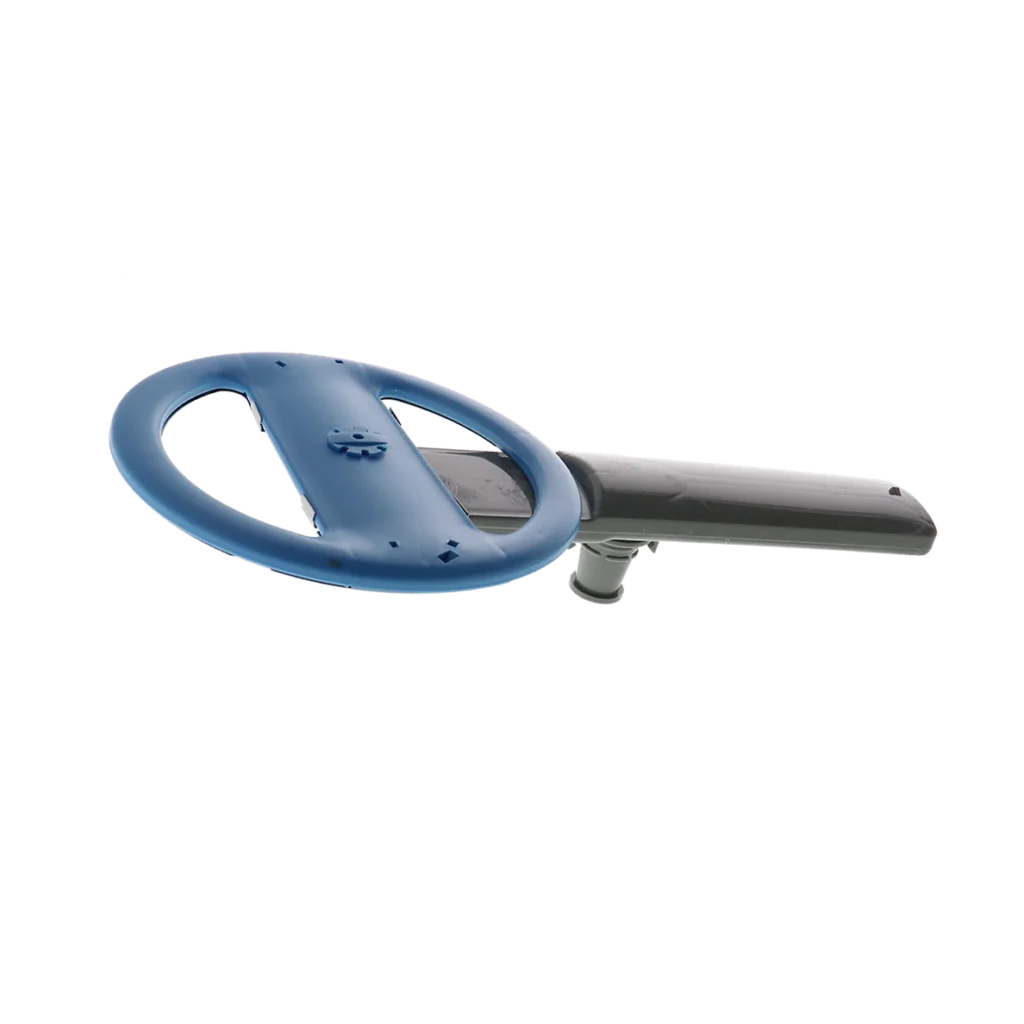
You unload the dishwasher and notice the bowls on the bottom rack still have dried food stuck to them, while the plates on top look spotless. That's not normal wear and tear—your lower spray arm isn't doing its job. Models like the FGID2466QDOA are particularly prone to this when the spray arm gets clogged with rice grains, labels from jars, or mineral deposits.
The good news? This is one of the easiest dishwasher repairs you'll tackle. Most times it's the spray arm itself (part 5304507158), but we'll walk through every possibility so you're not ordering parts you don't need.
Quick Symptom Check
- Lower rack dishes come out dirty while upper rack is clean
- No water spray sound coming from below during wash cycle
- Spray arm doesn't spin freely when you rotate it by hand
- Visible food debris or mineral buildup in spray arm holes
- Unpleasant odor coming from the dishwasher
Cause #1: Clogged Lower Spray Arm (70% of Cases)
Probability: Very High
The spray arm gets clogged with food particles over time—especially rice, quinoa, oatmeal, and those pesky jar labels that somehow make it through the pre-rinse. When the holes get blocked, water can't spray out properly.
How to diagnose:
- Pull out the lower dish rack completely
- The spray arm (looks like a long bar with holes) should spin freely—give it a test spin
- Remove it by either lifting straight up or unscrewing the center cap (varies by model)
- Hold it up to a light source and check every spray hole
- Look inside the center hub where water enters
If you see any blockage, try clearing it with a toothpick or small wire. Run it under hot water. If the holes are permanently calcified or the arm is cracked, you'll need the replacement 5304507158.
Cause #2: Failed Water Inlet Screen (15% of Cases)
Probability: Moderate
There's a small screen filter where the spray arm connects to the water supply. Hard water areas see this screen get completely coated with mineral deposits, restricting water flow to the spray arm even when the arm itself is clean.
How to diagnose:
- Remove the lower spray arm as described above
- Look down into the mounting hub on the dishwasher floor
- You should see a small screen or filter
- If it's white, brown, or crusty—that's your problem
Clean it with white vinegar and an old toothbrush. If it's damaged, it's often part of the spray arm assembly you're replacing anyway.
Cause #3: Spray Arm Mount Obstruction (10% of Cases)
Probability: Low to Moderate
Sometimes a utensil, plastic wrapper, or piece of broken dish prevents the spray arm from spinning. The arm gets stuck in one position, only cleaning a narrow stripe of dishes.
How to diagnose:
- With the spray arm removed, check the mount area for debris
- Install the arm and manually spin it 360 degrees
- If it catches at any point, you've found interference
- Check that tall items in the lower rack aren't blocking rotation
This is a free fix—just remove whatever's in the way.
Cause #4: Low Water Pressure to Dishwasher (5% of Cases)
Probability: Low
If your home has low water pressure or the dishwasher's inlet valve is failing, even a clean spray arm won't get enough water to do the job. This usually affects both racks, but you might notice the bottom first since it requires more force to push water through that spray arm.
How to diagnose:
- Start a wash cycle and open the door mid-cycle (after fill)
- Check if there's adequate water pooled at the bottom (should be about 1-2 inches)
- If water level is low, check your home's water pressure at a nearby faucet
- Listen for the inlet valve humming but not filling—sign of valve failure
This repair is more complex and might need professional help.
The Odor Connection
If you're also dealing with a funky smell, that's actually related. When the spray arm isn't working properly, food particles don't get flushed away—they sit in the bottom of the tub and decompose. After replacing the spray arm, run a cleaning cycle with Affresh dishwasher cleaner to remove soap buildup and eliminate odors. It'll also help your new spray arm work better from day one.
When to Call a Pro
This is honestly one of the most DIY-friendly dishwasher repairs. The spray arm (5304507158) just lifts out or unscrews on most Frigidaire, Electrolux, and Kenmore models. No tools required in many cases.
You should call a pro if:
- You've replaced the spray arm and cleaned everything, but dishes still aren't clean
- The dishwasher isn't filling with enough water
- You hear grinding noises from the wash pump
- Water is leaking from the spray arm mount area
Frequently Asked Questions
How often should I clean my dishwasher spray arm?
Every 3-6 months, pull it out and rinse it under hot water. If you have hard water or wash a lot of starchy dishes, check it monthly. Most people never think about this until dishes stop getting clean—don't be most people.
Will the wrong spray arm fit but not work properly?
Yes, and it's frustrating. The 5304507158 fits dozens of models (FGID2466QDOA and similar), but there are subtle differences in spray pattern and mounting. If you force a wrong part on, it might spin but spray at the wrong angle. Always verify your model number before ordering.
Can I just poke holes in a clogged spray arm instead of replacing it?
You can try—use a toothpick, never a drill. But if the plastic is brittle, cracked, or the holes are worn larger than original, you're fighting a losing battle. At $50.99, the replacement 5304507158 isn't worth skipping if the old one is genuinely worn out. A new spray arm typically lasts 5-8 years with normal use.
Diagnosed the problem?
5304507158 · In Stock · Fast shipping