
Frigidaire Dryer Not Heating — 5 Causes & How to Fix It Fast
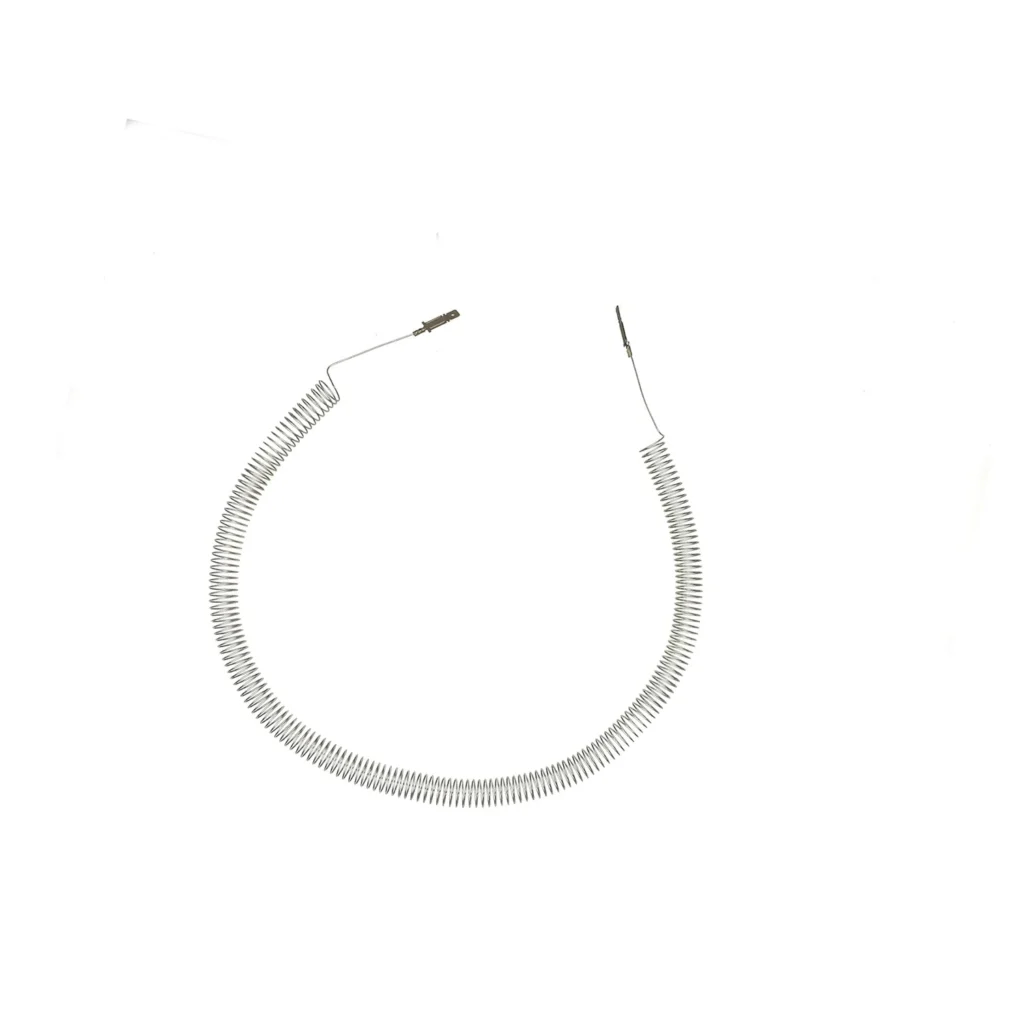
You toss a load of wet towels into your Frigidaire dryer, hit start, and come back an hour later to find them still damp and cold. The drum's spinning fine, the timer's counting down, but there's zero heat coming through. If you've got a model like the FDE336NBS0, GLER341AS2, or any of the dozens of Frigidaire, Kenmore, or Gibson electric dryers, chances are you're dealing with a failed heating element — specifically the 5300622034 coil assembly.
Before you call a tech at $150/hour, let's walk through what's actually wrong. Electric dryer heating failures follow a pretty predictable pattern, and about 70% of the time, it's something you can fix yourself in under an hour.
Quick Symptom Check: What Your Dryer's Telling You
Run through this checklist to confirm you're dealing with a heating element issue:
- Drum spins normally — motor's fine, belt's intact
- Timer advances — control board isn't the issue
- No heat whatsoever — clothes come out room temperature or slightly warm from friction
- Circuit breaker hasn't tripped — both legs of your 240V circuit are live
- Vent isn't clogged — airflow feels normal at the exterior vent
If you checked all five boxes, keep reading. You're likely looking at the heating element assembly or one of its safety components.
Cause #1: Burned-Out Heating Element Coil (65% Probability)
The 5300622034 heating element is basically a tightly-wound nichrome wire coil that glows red-hot when current flows through it. Over thousands of cycles — especially if you run the dryer hard or your home voltage fluctuates — sections of that coil develop weak spots and eventually break.
How to diagnose: Unplug the dryer, pull it away from the wall, and remove the lower front panel (usually 2–4 screws). On Frigidaire models like the FDE436RBS0 or FLSE72GCS0, the element housing sits on the right side behind a metal cover. Disconnect the wires, pull the element out, and inspect the coil through the housing slots. You're looking for visible breaks or dark spots where the wire separated.
Even better: Use a multimeter set to continuity mode. Touch probes to each terminal on the element. You should get a reading between 8–12 ohms. No reading at all? Dead coil. Replace it.
Fix: The 5300622034 replaces the entire coil assembly. It's a direct swap — unscrew the old housing, install the new one, reconnect two wires. Done. Cost: around $35–$50 vs. $250+ for a service call.
Cause #2: Tripped Thermal Fuse (20% Probability)
Here's the thing people miss: even if your heating element coil looks perfect, it won't heat if the thermal fuse is blown. This little one-time safety device sits on the blower housing or element housing and cuts power if temperatures exceed 280–295°F — which happens when vents clog or blowers fail.
How to diagnose: Locate the thermal fuse (check your model's diagram — on units like the GLER642AS0, it's typically on the blower wheel housing). It's a small white or cream-colored component with two wire terminals. Disconnect the wires and test continuity. Should read zero ohms. If your meter shows infinite resistance, the fuse is blown.
Critical mistake to avoid: Don't just replace the fuse and call it done. It blew for a reason — usually restricted airflow. Clean your entire vent system, check the blower wheel for lint buildup, and verify the vent flapper outside opens freely. Otherwise you'll blow the new fuse in a few months.
Cause #3: Failed High-Limit Thermostat (10% Probability)
The high-limit thermostat is another safety cutoff, but unlike the thermal fuse, it's designed to reset. It cycles the element on and off to prevent overheating. When it fails stuck-open, the element never gets power.
How to diagnose: Same process as the thermal fuse — locate it (usually mounted right next to or on the element housing), disconnect, and test continuity. Should read closed (zero ohms) at room temperature. Failed units read open circuit.
Models like the FSE747GCS0 and F31C336CS0 are particularly known for high-limit failures after 8–10 years of use.
Cause #4: Defective Cycling Thermostat (3% Probability)
The cycling thermostat regulates operating temperature by turning the element on and off during normal cycles. It's less likely to cause total heat loss (you'd usually get intermittent heating), but when it fails stuck-open, you'll get the same symptoms as the other thermostats.
How to diagnose: Located on the blower housing. Test continuity at room temp — should be closed. If open, replace it. These run about $15–$25.
Cause #5: Broken Wiring or Terminal Connections (2% Probability)
Occasionally, especially on older units like the AEQ6000ES2 or FEX831CS0 that have seen moisture exposure, the wire terminals that connect to the element corrode or break. I've also seen cases where wire nuts inside the junction box loosen from vibration.
How to diagnose: Visual inspection. Look for burned, blackened, or loose connections at the element terminals and inside the main junction box where the power cord connects. Wiggle wires gently — if terminals move or wires pull free, that's your problem.
When to Call a Pro
Be honest with yourself here. If you're comfortable pulling panels off, using a multimeter, and following a wiring diagram, this is totally DIY territory. But call a tech if:
- You're not confident working around 240V circuits (even with power off, you need to know what you're doing)
- Multiple components test bad — could indicate a deeper control board or wiring harness issue
- Your dryer is still under warranty (DIY repairs can void coverage)
- You find yourself stuck after 30 minutes of troubleshooting
A qualified tech will diagnose and fix this in 45–60 minutes for $150–$250 total. If you value your time more than the money, that's a perfectly valid choice.
Frequently Asked Questions
Can I test the heating element without removing it?
Sort of. You can access the element terminals through the lower front panel on most Frigidaire models and test continuity without fully removing the assembly. But visual inspection for breaks requires pulling it out — and honestly, if you're going that far, you might as well replace it if it tests bad rather than reinstalling a borderline element.
Will the 5300622034 element fit my Kenmore dryer?
Probably, but verify your model number first. This element fits dozens of Frigidaire-manufactured dryers sold under Kenmore, Gibson, and Tappan brands. Cross-reference your model (check the tag inside the door frame) with the compatibility list. Common Kenmore models include the 110-series electric dryers built between 2005–2018.
Why did my heating element fail after only 3 years?
Three main reasons: restricted airflow (clogged vent forces the element to work harder), voltage issues (if your home's electrical supply fluctuates, coils burn out faster), or simply bad luck with a defective element. The 5300622034 should last 8–12 years under normal conditions. If yours failed early, definitely clean your vent system thoroughly before installing the replacement.
Diagnosed the problem?
5300622034 · In Stock · Fast shipping