
Frigidaire Washer Door Won't Close — 5 Causes & How to Fix
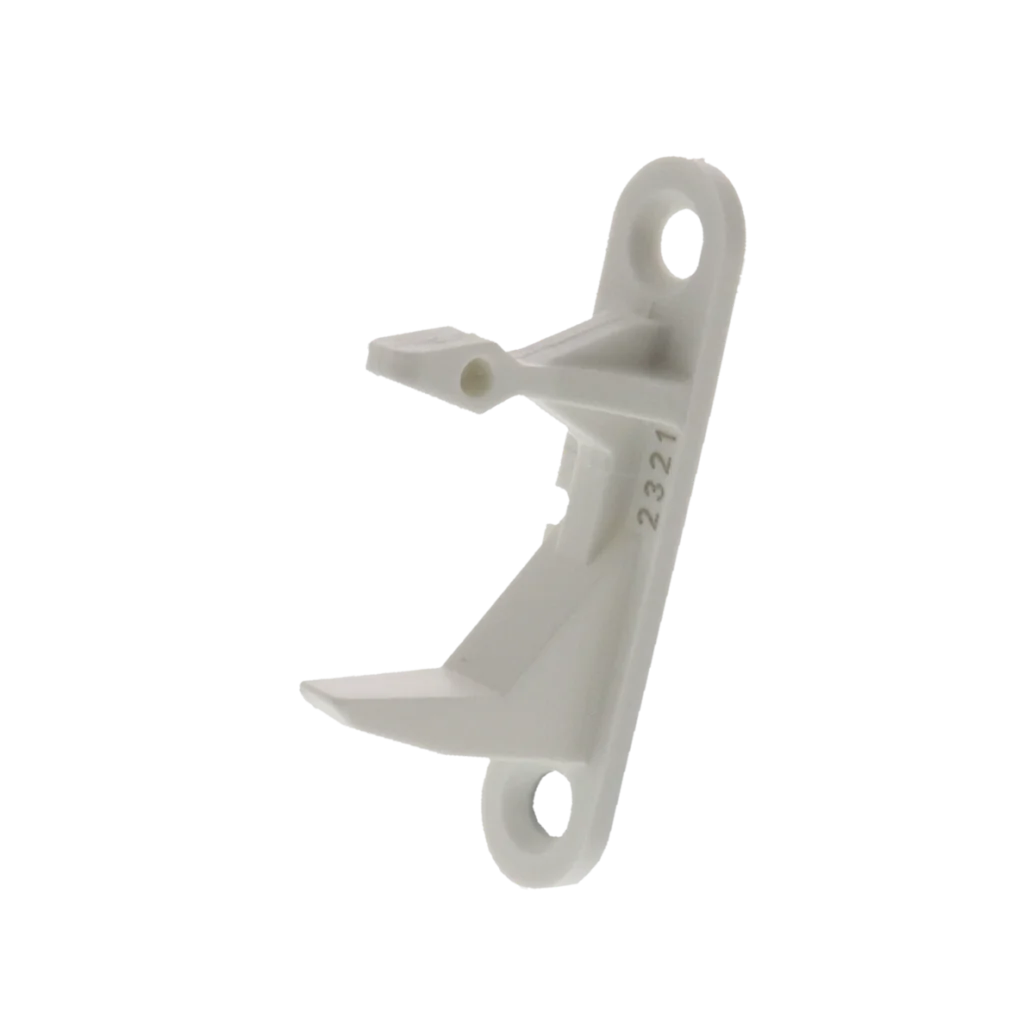
You load your Frigidaire washer, push the door, and... nothing. It bounces back open. You try again, maybe push harder this time, but the latch just won't engage. The cycle won't start because the machine thinks the door's still open. This is one of the most frustrating failures on front-load washers like the FAFW3511KW0 or ATF6000ES series — but it's usually fixable in under 15 minutes.
The door strike (part 131763310) is a small plastic component mounted on the washer body that the door latch hooks into. When it wears down or cracks, the latch has nothing solid to grab. Let's walk through what's actually failing and how to diagnose it.
Quick Symptom Check
- Door bounces back when you try to close it — latch won't catch at all
- Door closes but washer won't start — control thinks door is open
- You have to slam the door multiple times — strike is worn but not completely broken
- Visible cracks or missing pieces on the strike plate — plastic degradation
- Washer won't fill with water — safety interlock preventing cycle start
Cause #1: Worn or Broken Door Strike (Most Likely — 70%)
This is the culprit 7 out of 10 times. The door strike is made of plastic and takes constant impact every time you close the door. After a few years and hundreds of wash cycles, the plastic wears down where the latch hook contacts it. On models like the FAFW3801LW0 or GLTF2940FS1, you'll see a groove worn into the strike, or the entire hook section cracked off.
How to diagnose: Open the door and look at the strike on the right side of the washer opening (where the door latch engages). If you see cracks, chips, or a worn-down surface, that's your problem. The strike should have a solid raised section for the latch to hook into — if it's smooth or broken, it needs replacement.
The fix: Replace the door strike (131763310). It's held in with two screws. Pop the old one out, screw in the new one. Takes maybe 10 minutes. One user put it simply: "Ordered it, installed it." That's really all there is to it.
Part needed: Door strike 131763310 (replaces AP3580441, PS890617, 131763300)
Cost: $8–$15
Tools: Phillips screwdriver
Cause #2: Misaligned Door Hinges (15%)
Sometimes the door itself sags over time, especially on older ATF6000FS or ATFB6000ES models. If the hinges loosen or the door drops even a quarter-inch, the latch won't line up with the strike anymore.
How to diagnose: Close the door slowly and watch where the latch approaches the strike. Does it line up perfectly, or is it hitting above or below the strike? If it's off, you've got a hinge issue.
The fix: Tighten the hinge screws on the door. If that doesn't work, you may need to loosen the strike screws slightly, close the door to see where the latch naturally hits, then retighten the strike in the correct position. It's basically shimming the strike to match where the door actually is.
Cost: Free if just tightening screws
Tools: Screwdriver, possibly shims
Cause #3: Failed Door Latch Assembly (10%)
Less common, but possible — the latch mechanism itself could be broken or jammed. This is the part mounted inside the door that extends out to hook into the strike.
How to diagnose: If the strike looks perfect and the door is aligned, but the latch won't extend or feels loose when you manipulate it by hand, the latch assembly has failed internally.
The fix: You'll need to replace the entire door latch assembly. This is more involved — you have to remove the door and disassemble the inner panel to access it.
Cost: $40–$80 for latch assembly
Difficulty: Moderate
Cause #4: Detergent or Gunk Buildup on Strike (3%)
Front-load washers can accumulate soap residue, fabric softener, and lint around the door area. If enough gunk builds up on the strike, it can prevent the latch from seating properly.
How to diagnose: Look for visible buildup, stickiness, or residue on the strike or around the door gasket area.
The fix: Clean the strike thoroughly with warm soapy water and a brush. Wipe down the entire door opening and gasket. Test the door closure.
Cost: Free
Time: 5 minutes
Cause #5: Damaged Door Gasket Interfering (2%)
If the rubber door gasket (bellows) is torn or has folded in on itself, it can physically block the latch from reaching the strike.
How to diagnose: Inspect the gasket around the strike area. Is it bunched up, torn, or pushing into the space where the latch needs to go?
The fix: If it's just folded, reposition it properly. If it's torn badly, you'll need a new door gasket — but that's a bigger repair and usually comes with other symptoms like leaking.
Cost: $50–$120 for new gasket
When to Call a Pro
If you've replaced the door strike and checked alignment but the door still won't latch, you're likely looking at a control board issue where the machine isn't recognizing the door lock signal. That requires diagnostic tools and possibly a new control board — call a tech at that point.
But honestly? For most Frigidaire, Kenmore, Electrolux, and Crosley front-loaders, it's the strike. It's a $10 part that you can swap in the time it takes to drink a cup of coffee.
Frequently Asked Questions
Will the washer start if the door strike is broken?
No. The washer has a safety interlock that prevents the cycle from starting if the door isn't properly closed and latched. Even if you can physically push the door shut, if the latch isn't engaging the strike, the control board won't allow water to fill. It's a safety feature to prevent flooding.
Can I use a door strike from a different brand?
The 131763310 strike is designed specifically for Frigidaire, Kenmore, Crosley, Gibson, Westinghouse, and Electrolux washers. It replaces older part numbers like 131763300 and AP3580441. Don't try to use a strike from a Whirlpool or LG washer — the mounting holes and latch geometry are different. Stick with the correct part number.
How long does a door strike normally last?
Typically 5–10 years depending on usage. If you're doing 8+ loads a week, you're putting more wear on the strike than someone doing 3 loads. Heavy use, aggressive door closing, and detergent buildup can all shorten the lifespan. Once it starts wearing visibly, replace it before it breaks completely and leaves you locked out mid-cycle.
Diagnosed the problem?
131763310 · In Stock · Fast shipping