
Whirlpool Dryer Making Grinding Noise? 5 Causes & How to Fix
You toss a load of jeans in your Whirlpool dryer, hit start, and instead of the usual hum, you hear a grinding, scraping sound that makes you wince. The drum's still turning, but that noise? That's not normal. If your dryer sounds like it's chewing gravel, you're likely dealing with worn drum support components — and the good news is, most of these fixes are manageable for a determined DIYer.
This guide walks through the five most common causes of grinding, scraping, or rumbling noises in Whirlpool, Maytag, Admiral, Amana, and Crosley dryers. We'll cover what to check, how to diagnose each issue, and when it makes sense to tackle the repair yourself versus calling in a pro.
Quick Symptom Check
Before you pull the dryer apart, confirm what you're hearing:
- Grinding or scraping during drum rotation: Usually front or rear drum support wear
- Thumping or rumbling that gets worse with heavy loads: Drum glides or rollers
- High-pitched squealing: Belt or idler pulley (less likely to be glide-related)
- Noise only when drum turns, stops when drum stops: Confirms it's drum support, not motor
- Visible scoring or dark marks on drum rim: Worn front glides scraping the drum
Cause #1: Worn Drum Front Glide Bearings (Most Likely — 60% of Cases)
Probability: High | DIY Difficulty: Moderate | Part Cost: ~$58
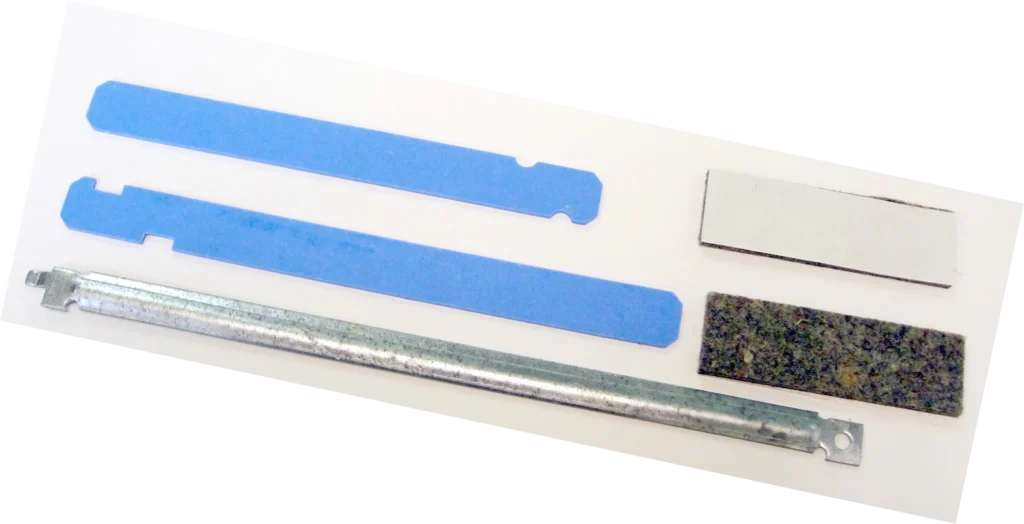
The drum front glide kit (part 12002126) includes the plastic or felt bearing pads that support the front of the drum as it rotates. These glides sit in the front bulkhead and the drum rim rides on them. After thousands of cycles, they wear down, crack, or flatten out — and metal starts grinding on metal.
How to diagnose: Unplug the dryer and open the door. Reach in and manually rotate the drum. If you feel resistance, grinding, or see dark wear marks on the inside front rim of the drum, your glides are toast. On models like the Whirlpool LER5636PQ0 or Maytag MEDC215EW1, you can often see the glide damage without full disassembly.
The fix: You'll need to remove the front panel or top/front access to reach the glides. The kit includes two glide bearings and often the mounting hardware. Clean the drum rim thoroughly before installing new glides — any scoring will chew through the new parts faster. Apply a thin film of high-temp grease to the glides (some kits include this).
Compatible models include: ADE7000AYW, ADE9000AYW, CDE6500AZW, HYE2460AYW, LER5636PQ0, MEDC215EW1, NED4655EW1, and dozens of other Whirlpool/Maytag-family dryers from 2005–2020.
Cause #2: Failed Rear Drum Support Rollers
Probability: Moderate | DIY Difficulty: Moderate | Part Cost: ~$30–$60
Most Whirlpool dryers use two rear rollers that support the back of the drum. These rollers spin on shafts attached to the rear panel. When the roller bearings seize or the rubber coating wears away, you get a grinding or thumping sound — especially noticeable with heavier loads.
How to diagnose: With the dryer unplugged, remove the front or top panel to access the drum. Try to lift the drum slightly and spin it by hand. If the rear rollers are bad, you'll feel wobble or see the rollers not spinning freely. Sometimes one roller seizes completely and the drum wears a flat spot into it.
The fix: Replace both rear rollers as a set, even if only one looks bad — if one failed, the other's not far behind. You'll need to lift the drum out or tilt it forward to access the roller shafts. Clean the shafts and apply a drop of oil (not grease) before installing new rollers.
Cause #3: Damaged or Misaligned Drum Bearing (Rear)
Probability: Low-Moderate | DIY Difficulty: Advanced | Part Cost: ~$40–$80
Some Whirlpool models use a single rear drum bearing instead of rollers. This bearing sits at the center back of the drum and supports it on a shaft. When this bearing wears out, you'll hear a deep grinding or rumbling that sounds like it's coming from deep inside the machine.
How to diagnose: With the drum accessible, grab the back center of the drum and try to move it up and down. Excessive play (more than 1/4 inch) or a gritty feeling when you rotate it indicates bearing wear. On models like the Maytag MDG9700AWW, this bearing is a known 8–10 year wear item.
The fix: This is a bigger job. You'll need to remove the drum completely, disassemble the rear bearing housing, press out the old bearing, and press in a new one. If you're not comfortable with this level of disassembly, call a tech. Improper installation can damage the drum shaft.
Cause #4: Drum Baffles Loose or Scraping
Probability: Low | DIY Difficulty: Easy | Part Cost: $0–$20
The plastic or metal baffles (lifters) inside the drum can come loose if their mounting screws back out. A loose baffle will scrape against the drum wall and create a rhythmic grinding or tapping sound that matches the drum rotation.
How to diagnose: Look inside the drum while it's stopped. Try to wiggle each baffle — they should be firmly attached. Check for missing screws or cracks in the baffle mounts. This is super obvious once you know to look for it.
The fix: Tighten or replace the baffle mounting screws. Use the correct screw length — too long and they'll poke through the drum and catch on clothes. If a baffle is cracked, replace it. This is the easiest fix on this list, and you'll feel pretty silly if you replaced glides when all you needed was a 50-cent screw.
Cause #5: Foreign Objects in Drum Seam or Glide Path
Probability: Low | DIY Difficulty: Easy | Part Cost: $0
Coins, screws, underwire from bras, or small metal objects can wedge themselves between the drum and the front bulkhead or rear panel. They'll create a grinding or scraping sound that might be intermittent as the object moves around.
How to diagnose: Shine a flashlight into the gap between the drum and the front/rear panels while slowly rotating the drum by hand. Look for anything metallic or unusual. Check the lint filter housing area too — small items can get trapped there and fall into the drum path.
The fix: Fish out the object with needlenose pliers or a bent coat hanger. If it's really wedged in there, you might need to partially disassemble the dryer to reach it. Once removed, the noise should disappear immediately. Consider using mesh laundry bags for small items or bras to prevent repeats.
When to Call a Pro
You should probably call a qualified appliance tech if:
- You're not comfortable working with 240V electrical connections (dryers pull serious amperage)
- The drum bearing needs replacement and you don't have a bearing press or proper tools
- You've replaced the glides and rollers but the noise persists (could indicate drum or shaft damage)
- The dryer is still under warranty or you have a home protection plan
- You find metal shavings or filings around the drum — this suggests more serious wear
That said, replacing drum glides (12002126) and rear rollers are both well within reach for someone with basic tools and a free Saturday afternoon. Plenty of owners tackle these repairs and save $200–$300 in service call fees.
Frequently Asked Questions
How long do Whirlpool dryer drum glides typically last?
Most drum front glides last 7–12 years or about 3,000–5,000 dry cycles. Heavy use, overloading, or running the dryer with very heavy items (like work boots or wet rugs) will shorten their lifespan. If your dryer is 8+ years old and making noise, glides are the first thing to check.
Can I run my dryer if it's making a grinding noise?
Not recommended for more than a load or two. Continuing to run a dryer with worn glides or rollers will cause additional damage — the metal drum rim can score or warp, and you might damage the drum seals or front bulkhead. That turns a $60 repair into a $200+ job. Finish your current load if you must, then fix it before running more cycles.
Do I need to replace the drum glide kit and rear rollers at the same time?
Not necessarily, but it's smart preventive maintenance. If you're already taking the dryer apart to replace the front glides, and the dryer is 8+ years old, inspect the rear rollers carefully. If they show any wear or don't spin freely, replace them while you're in there. It adds maybe 15 minutes to the job and prevents another teardown in six months when the rollers finally quit.
Diagnosed the problem?
12002126 · In Stock · Fast shipping