
OEM vs Aftermarket WH13X10053 Water Inlet Valve for GE: Honest Comparison
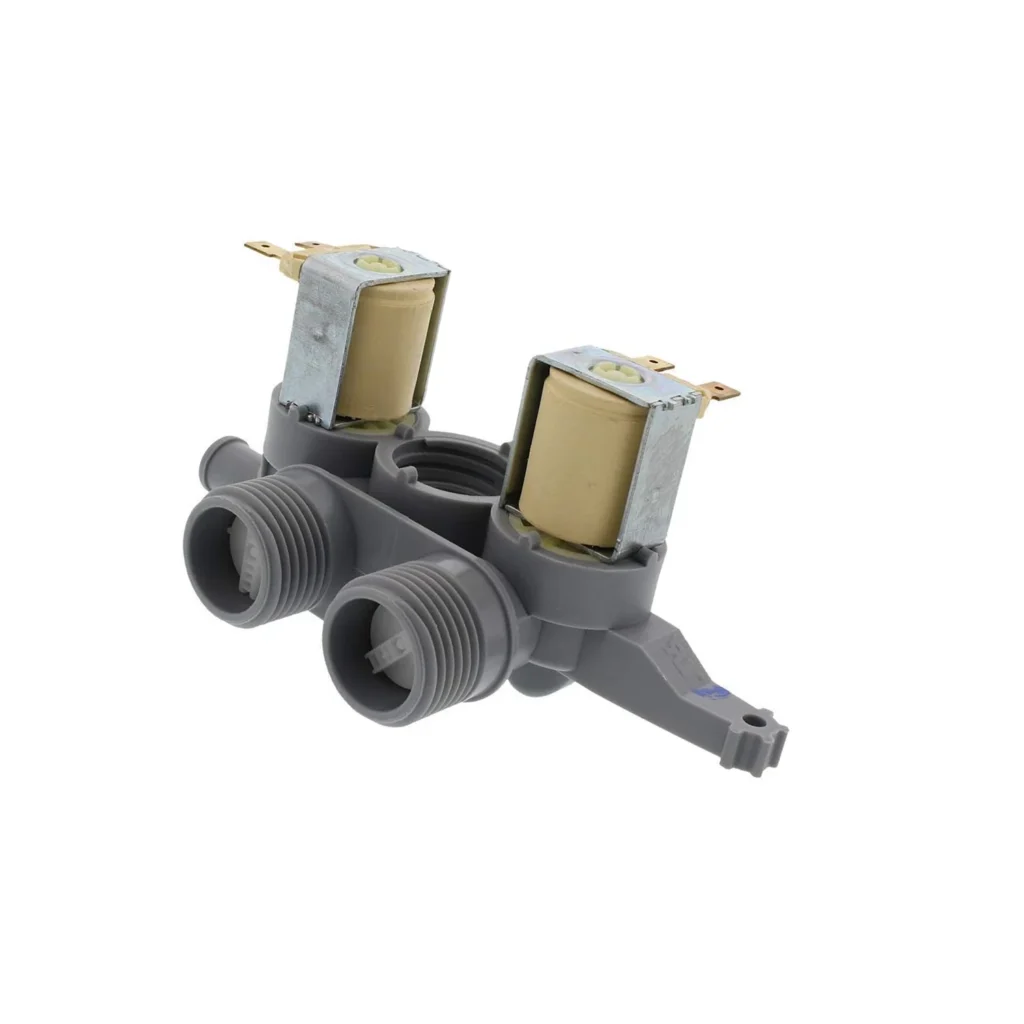
Your GE washer (model GTWN4250D0WS or similar) only fills with cold water, no matter what cycle you select. You've diagnosed it down to the triple water inlet valve — part number WH13X10053. Now you're staring at two options: a $90-120 OEM valve from an appliance dealer, or a $38.99 aftermarket replacement. The price gap is real, but so is your hesitation about quality.
Here's what actually matters when choosing between them.
Quick Answer
For the WH13X10053 triple water inlet valve, the aftermarket option delivers identical performance at roughly one-third the price. This isn't a complex electronic board or precision-calibrated component — it's three solenoid valves in a plastic housing. Unless you're restoring a vintage appliance or need documentation for a warranty claim, the aftermarket valve makes more financial sense.
Side-by-Side Comparison
| Factor | OEM GE WH13X10053 | Heima Aftermarket |
|---|---|---|
| Price | $90–$120 | $38.99 |
| Warranty | 90 days (typical dealer) | 1 year |
| Lead Time | 3–7 days (order through dealer) | Ships same/next day |
| Fit & Finish | GE branding, exact OEM packaging | Identical mounting, all connectors match |
| Manufactured | Contract manufacturer (often overseas) | ISO-certified facility, same standards |
| Compatibility | Guaranteed by GE | Replaces AP5629504, WH13X22314, PS3652834 |
When OEM Makes Sense
There are legitimate situations where paying extra for the GE-branded valve is the right call:
Your washer is still under manufacturer warranty. Some extended warranties specifically require OEM parts. Check your paperwork before ordering — using an aftermarket part might void coverage on a related future failure.
You're repairing for resale and need documentation. If you're flipping appliances or running a rental property where you need to prove repair history, OEM receipts carry more weight with buyers and inspectors.
You've had multiple aftermarket failures (rare but real). If you've already replaced this valve twice with aftermarket parts and they keep failing, something else might be wrong — but trying one OEM part can help isolate whether it's a parts quality issue or a system problem causing premature wear.
That said, for the WH13X10053 specifically, these scenarios are uncommon. This part typically fails once during a washer's 10-15 year lifespan due to mineral buildup or solenoid wear.
When Aftermarket Wins
For most DIY repairs, the aftermarket valve is the smarter choice — and real users back this up.
One customer who replaced their valve wrote: "The simplicity of this repair surprised me. Finding the correct part on this site using the washer model number was easy and quick. From start to finish the whole process took less than half an hour." When you're already saving $50-80 on the part, that's money you can put toward other household needs.
The installation process is identical regardless of which valve you buy. You'll need a 1/4" hex driver to remove the three control panel screws, disconnect the water hoses (watch for residual water), unplug the electrical connectors, and swap the valve. Total time: 15-30 minutes.
Another user noted: "Self-repair. Very easy. I did not have to move machine. Was able to access everything from front of machine; however, I did need to reach behind control panel to disconnect water lines, unplug power, and remove three control panel screws."
One critical tip from experienced installers: BE CAREFUL when removing the hard plastic hose from the triple valve as you remove the hose clamp. These internal hoses can become brittle over time, and cracking one turns a simple 15-minute repair into a frustrating parts hunt.
The aftermarket valve fixes the same symptoms the OEM does:
- Washer only fills with cold water (hot solenoid failed)
- Won't stop dripping after cycle ends (solenoid won't close)
- No water flow on certain cycles (debris blocking inlet screen)
Our Verdict
Unless you're specifically required to use OEM parts by warranty terms, the aftermarket WH13X10053 valve delivers identical performance at $38.99 versus $90-120 for OEM. The installation difficulty is the same (easy, 15-30 minutes), the failure modes it fixes are identical, and you get a longer warranty. Save your money for the next repair — washers this age often need a drain pump or suspension rods next.
The functional reality: both valves contain three solenoids that open and close water flow to your washer tub. Neither has complex electronics or precision-machined components. The aftermarket version meets the same specifications and works with all compatible models (GTWN4250D0WS, GTWN4950D1WS, GTWN5250D0WW, GTWP2000F0WW, and dozens more).
Frequently Asked Questions
Will the aftermarket valve work with my specific GE washer model?
The WH13X10053 aftermarket valve replaces AP5629504, WH13X22314, and PS3652834. It's compatible with GTWN and GTWP series washers manufactured between 2012-2018. Check your model number against the compatibility list — if your model number matches the GTWN4250, GTWN4950, GTWN5250, or similar series, it'll fit. The mounting holes, electrical connectors, and water inlet positions are identical to OEM.
How do I know if my inlet valve actually failed or if it's something else?
The telltale signs: If your washer only fills with cold water regardless of cycle selection, the hot water solenoid in the valve has failed. If water keeps dripping into the tub after the cycle ends, one of the solenoids isn't closing fully. If you hear the washer trying to fill but no water enters, check your inlet hoses first — then test the valve. You can test solenoids with a multimeter (should read 500-1500 ohms), but at $38.99, most people just replace it if symptoms match.
What's the most common mistake during installation?
Forcing the internal hard plastic hoses back onto the valve ports. These hoses connect the valve outlets to the dispenser and tub — they're often brittle from years of hot water exposure. When you disconnect them, the hose clamps come off easily, but shoving the hoses back on too aggressively can crack them. Warm them slightly with your hands, use a tiny bit of dish soap as lubricant if needed, and push gently while twisting. If a hose cracks, you'll need to order that separately (and it's an annoying delay).
Tools you'll need: 1/4" nut driver or socket, pliers for hose clamps, screwdriver, and a towel for residual water. Total repair time averages 20 minutes once you have the part.
Ready to go aftermarket?
WH13X10053 · Factory direct · 1-year warranty