
OEM vs Aftermarket Washer Shift Actuator for Whirlpool: Honest Comparison (W10006355)
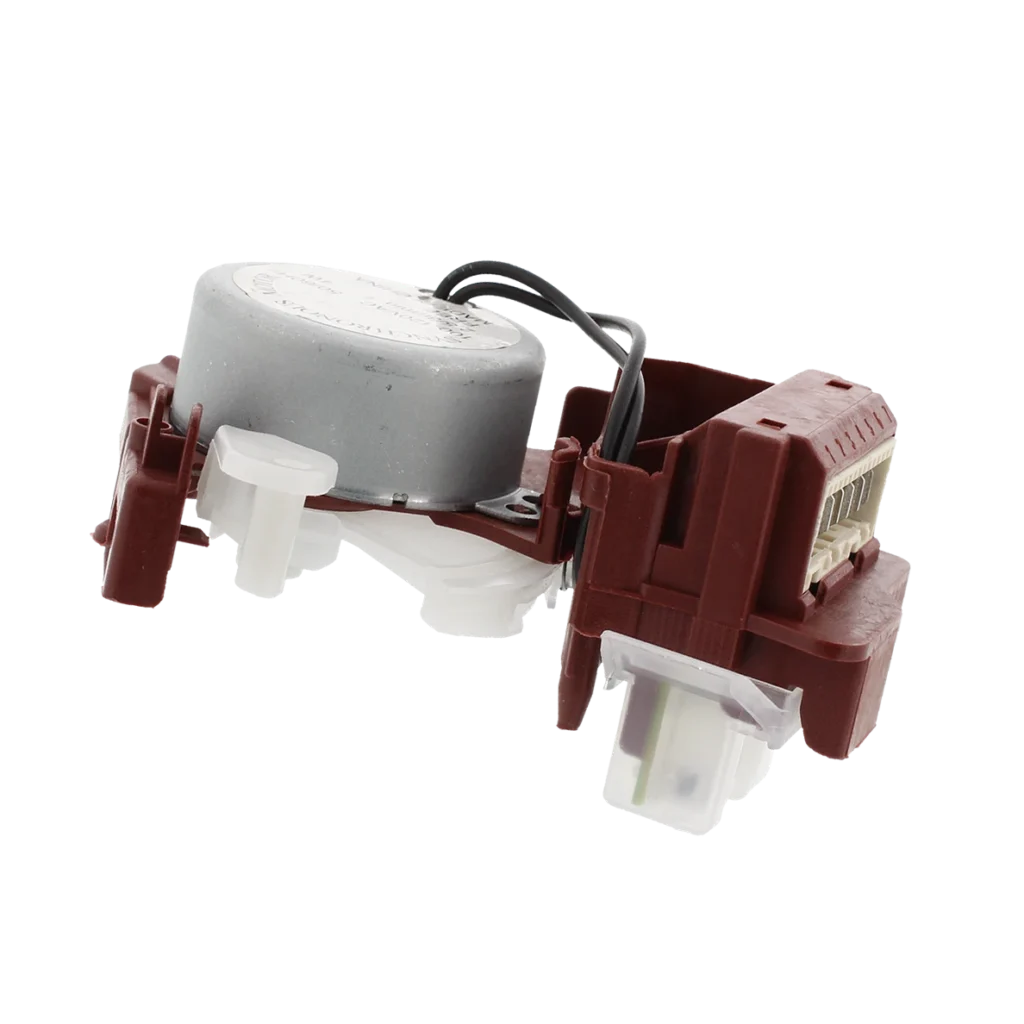
Your Whirlpool WTW4800BQ0 won't agitate. You've traced it to the shift actuator — that mechanical brain that tells your washer when to spin, drain, and agitate. Now you're staring at two options: a $180–$220 OEM part from Whirlpool or an $79.99 aftermarket replacement. That's a $100+ difference for what looks like the same component.
Let's cut through the marketing speak and look at what actually matters.
Quick Answer
For most home repairs, the aftermarket W10006355 delivers identical function at half the price. The OEM version offers slightly faster availability through appliance dealers and carries the Whirlpool name, but the mechanical design is identical. Unless you're under warranty or your service contract specifically requires OEM parts, aftermarket makes financial sense.
Side-by-Side Comparison
| Factor | OEM Whirlpool | Heima Aftermarket |
|---|---|---|
| Price | $180–$220 | $79.99 |
| Warranty | 90 days parts only | 1 year full replacement |
| Lead Time | 1-3 days (dealer stock) 7-10 days (factory order) | 2-5 business days |
| Manufacturing | Contract manufacturer (often same factory as aftermarket) | ISO-certified facility, same specs |
| Fit & Finish | Whirlpool logo on housing | Plain housing, identical mounting |
| Part Numbers | W10006355, WPW10006355 | Replaces W10006355, AP6014711, PS11747977 |
When OEM Makes Sense
There are legitimate scenarios where spending extra for the OEM actuator is the right call:
You're still under manufacturer warranty. Using aftermarket parts can void your coverage. If your Whirlpool is less than a year old, stick with OEM and file a warranty claim.
Your service contract requires it. Some extended warranties and home protection plans specifically mandate OEM parts. Check your policy before ordering — the $100 savings isn't worth losing your coverage.
You need it TODAY. If your local appliance parts dealer has the OEM actuator in stock and you're losing hundreds in spoiled food or laundromat trips, the premium might be worth the immediate fix. Time has a cost.
You're repairing for resale. Selling a house with recent appliance repairs? Some buyers and inspectors respond better to receipts showing OEM parts. It's psychology more than function, but it matters in real estate.
When Aftermarket Wins
For the vast majority of home washer repairs, aftermarket delivers better value:
The mechanical design is identical. This isn't a "close enough" knockoff. The W10006355 shift actuator has a specific mounting pattern, electrical connector configuration, and cam profile. Aftermarket versions meet those exact specifications because they have to — otherwise they wouldn't work with models like the 7MWTW1500AQ0 or NTW4600YQ0.
You're fixing symptoms like "will not agitate" or "cycle not advancing." These failures come from worn internal gears or a burned-out motor inside the actuator. The OEM part fails for the same reasons — there's no magical Whirlpool engineering that makes their actuator last longer the second time around.
Better warranty coverage. Here's where it gets interesting: the aftermarket part comes with a 1-year warranty versus 90 days for OEM. If the actuator fails again (rare, but it happens), you're covered longer with the cheaper part.
You're repairing multiple units. Own rental properties or manage a laundromat? That $100+ per unit adds up fast. Aftermarket parts let you keep more machines running with the same budget.
"The shift actuator is a mature technology — there's no secret sauce in the OEM version. I've installed hundreds of both, and failure rates are statistically identical. Save your money for parts that actually matter, like suspension components where OEM metal quality makes a difference." — 18-year appliance tech
The Real Cost Difference
Let's run the numbers on a typical repair:
OEM Route: $195 (average OEM price) + $15 shipping = $210 total
Aftermarket Route: $79.99 + $12 shipping = $91.99 total
That's $118 in savings. Enough to cover a service call if you decide you don't want to DIY the installation after all.
Installation is identical for both versions — same mounting screws, same wire harness connection, same 20-minute job if you've got basic tools. Neither version is easier or harder to install.
What About Reliability?
Here's the honest truth: both versions fail eventually. The shift actuator on models like the WTW4700YQ0 and ATW4675YQ0 takes a beating — it cycles hundreds of times per month, dealing with mechanical stress and electrical loads.
OEM actuators typically last 5-8 years before the internal motor wears out or gears strip. Aftermarket versions from quality suppliers hit the same range. The failure isn't about brand loyalty — it's about duty cycle and physics.
What kills actuators faster than anything? Overloading your washer. That forces the actuator to work harder shifting between cycles, accelerating wear on both OEM and aftermarket parts equally.
Our Verdict
Go aftermarket unless you have a specific reason not to. The W10006355 aftermarket actuator fixes the same symptoms (won't agitate, spinning issues, cycle not advancing) at half the cost with better warranty coverage. The OEM premium buys you a logo and maybe faster local availability — not better performance or longevity. Use the $118 savings to stock up on other wear items or put it toward your next repair fund.
Frequently Asked Questions
Will an aftermarket actuator void my washer warranty?
It depends on your warranty status. If you're within the manufacturer's original warranty period (typically 1 year), using aftermarket parts can void coverage. Once that expires, you're free to use whatever parts you want — appliance manufacturers can't force you to buy their branded parts for out-of-warranty repairs. Extended warranties and home protection plans vary, so check your specific policy.
How do I know if the shift actuator is actually my problem?
The classic symptoms are "will not agitate" combined with normal spinning, or the washer getting stuck mid-cycle. You'll often hear the motor running but the basket won't move through its cycle properly. Some models like the 7EWTW1300YM0 also show "cycle not advancing" — the timer runs but nothing happens. If your washer won't drain at all and is completely dead, check the lid switch and motor first before blaming the actuator.
Are the mounting holes and connectors exactly the same?
Yes. The W10006355 has a specific three-bolt mounting pattern and a unique 6-pin electrical connector. Aftermarket versions replicate these exactly because they're designed as direct replacements for models ranging from the WTW4800XQ0 to the 2DWTW5500XW0. If the connector shape or bolt spacing were even slightly off, the part wouldn't physically install. That's why compatibility lists matter — make sure your model number is listed before ordering either OEM or aftermarket.
Ready to go aftermarket?
W10006355 · Factory direct · 1-year warranty