
OEM vs Aftermarket Samsung Drum Spider Assembly: Honest Comparison (DC97-14370E)
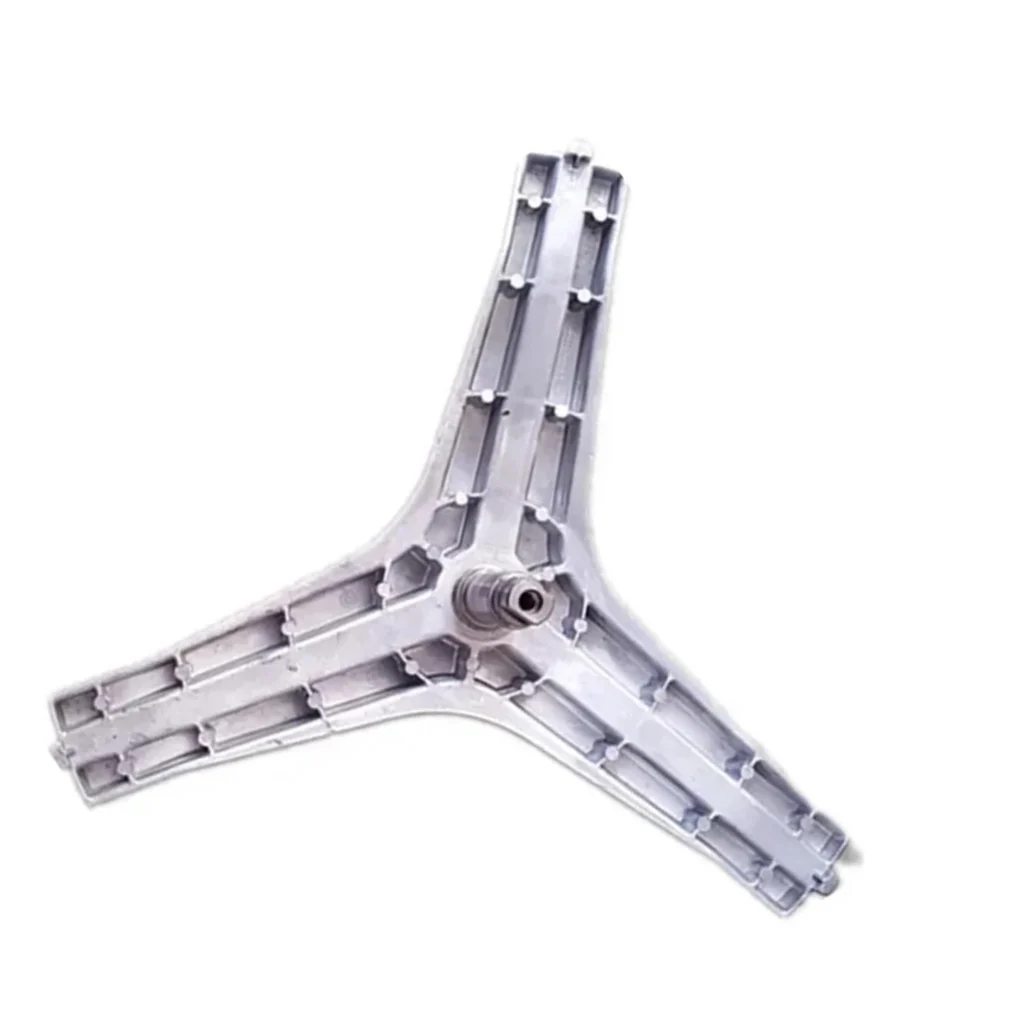
Your Samsung washer sounds like it's grinding rocks during spin cycle. You pull the drum out and find the spider assembly corroded into three pieces. Now you're looking at a $400+ OEM part from Samsung versus a $159.99 aftermarket replacement. That's a $240 difference on a repair that's already eating your weekend.
Let's cut through the noise. I've replaced dozens of these DC97-14370E drum spiders, and the decision isn't as straightforward as "cheap vs expensive."
Quick Answer
For most home repairs, the aftermarket spider assembly delivers identical performance at 60% lower cost. The OEM part offers slightly better corrosion resistance in hard water areas, but you're paying $240 more for maybe 6-12 months of extended life. Unless you've got extreme water conditions, aftermarket wins on value.
Side-by-Side Comparison
| Factor | OEM Samsung (DC97-14370E) | Heima Aftermarket |
|---|---|---|
| Price | $390–$450 | $159.99 |
| Warranty | 90 days parts only | 1 year full replacement |
| Lead Time | 3–10 business days | Ships same day |
| Material | Aluminum alloy with proprietary coating | Die-cast aluminum, anti-corrosion treatment |
| Fit Tolerance | Factory spec (obviously) | Direct replacement, same mounting pattern |
| Manufacturing | Samsung contract facility (often same factories) | ISO-certified third-party facility |
When OEM Makes Sense
There are legitimate scenarios where spending the extra $240 is justified:
You've got extremely hard water. If your water hardness is above 180 ppm and you're not using a softener, the OEM coating does hold up marginally better against mineral buildup. We're talking maybe an extra year before corrosion starts again.
Your washer is under extended warranty. Some third-party warranties specifically require OEM parts. Check your paperwork before you order anything.
You're flipping the machine. If you're repairing a washer to resell, "Samsung OEM parts" is a selling point some buyers will pay for. Not logical, but it's real.
You need absolute certainty on a rental property. Property managers sometimes mandate OEM parts to avoid tenant disputes about repair quality. It's CYA thinking, but understandable.
When Aftermarket Wins
For the vast majority of home repairs, here's why aftermarket makes more sense:
The price gap is massive. You're saving $240 on a part that does the exact same job. That's nearly enough to cover the labor if you're hiring out the repair. The spider assembly doesn't need "Samsung magic" — it's a mechanical component that holds the drum. Aftermarket parts use the same aluminum alloy specs and identical mounting dimensions.
Better warranty coverage. The Heima aftermarket spider comes with a full one-year replacement warranty versus Samsung's 90-day parts-only coverage. If something goes wrong in month four, you're covered with aftermarket but out of luck with OEM.
Faster availability. OEM parts often sit in regional warehouses with spotty inventory. The aftermarket version ships same-day, which matters when you've got wet laundry piling up.
These parts fail for the same reason regardless. Spider assemblies corrode because of detergent residue and moisture, not because of manufacturing quality. An OEM part in the same environment will fail at roughly the same rate as aftermarket. The real solution is addressing water hardness and using less detergent.
The failure mode is identical: the aluminum corrodes where it meets the stainless drum, usually starting at the mounting holes. I've pulled out OEM spiders after three years that looked worse than aftermarket ones at five years — it's all about usage patterns and water chemistry.
Our Verdict
Save the $240 and go aftermarket unless you've got documented hard water issues above 180 ppm or a warranty requirement. The performance is identical, the warranty is better, and you'll have money left over for a water softener if mineral buildup is genuinely your problem. This isn't a "you get what you pay for" situation — it's a "you're paying for a Samsung logo" situation.
Use the savings to address the root cause: install a water softener, switch to low-suds HE detergent, and run a monthly cleaning cycle. That'll extend the life of any spider assembly, OEM or aftermarket, far more than the brand name on the box.
Frequently Asked Questions
Will an aftermarket spider void my Samsung warranty?
If your washer is still under manufacturer warranty, yes — using non-OEM parts typically voids coverage for related components. However, most spider failures happen 3–5 years in, well past the standard one-year warranty. Extended warranties vary, so check your specific policy language.
How long does the aftermarket DC97-14370E actually last?
In normal conditions (soft to moderately hard water, proper detergent), expect 4–6 years from either OEM or aftermarket. In hard water without a softener, you're looking at 2–3 years regardless of brand. The spider's lifespan depends far more on water chemistry than who manufactured it.
Are the mounting holes and shaft diameter exactly the same?
Yes. The DC97-14370E aftermarket is a direct replacement with identical specs: same 25mm shaft diameter, same six-bolt mounting pattern, same hub spacing. It fits WD0804W8N1, WD10J6410AW, WD10K6410OX, WD10T554DBN, WD80J5430AW, WD80K5410OW, WD80M4453IW, and dozens of other Samsung washer models without modification. If your old part number is DC97-14370H, DC97-14370B, or DC97-14370D, this replacement works perfectly.
Ready to go aftermarket?
DC97-14370E · Factory direct · 1-year warranty