
OEM vs Aftermarket Water Inlet Valve for Samsung Washer: Honest Comparison (DC62-00311C)
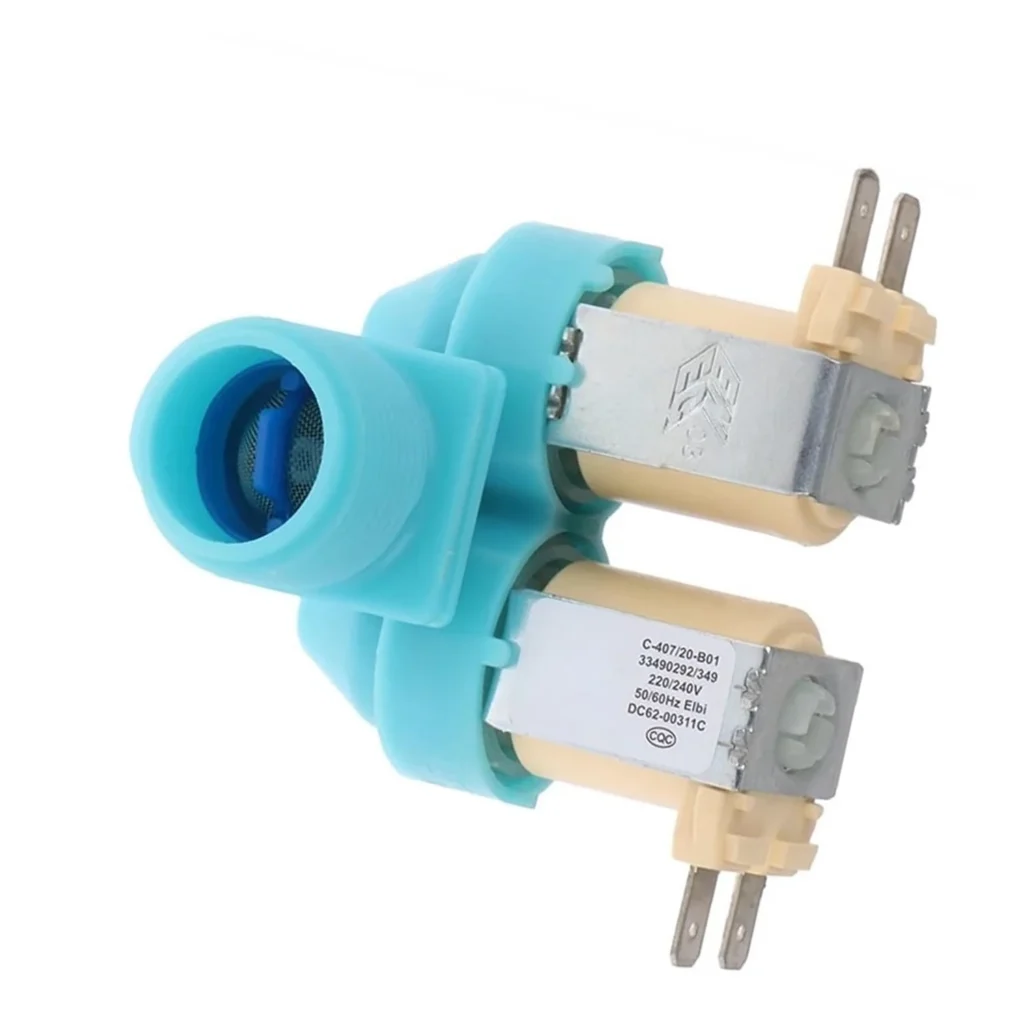
Your Samsung washer won't fill with cold water, and you've traced it to the inlet valve. Now you're staring at two options: a $180 OEM valve from Samsung Parts Direct, or an $86.99 aftermarket replacement. That's a $93 difference for what looks like the exact same part. Let me break down what you're actually getting with each.
Quick Answer
For the DC62-00311C cold water inlet valve, aftermarket is the smarter choice for most DIY repairs. The functional components are identical, it fits all the same models (WA40J3000AW, WA45M3100AW, WA45N3050AW series), and you're saving nearly $100. OEM only makes sense if you're under warranty or doing an insurance claim where receipts matter.
Side-by-Side Comparison
| Factor | OEM Samsung (DC62-00311C) | Heima Aftermarket |
|---|---|---|
| Price | $175–$195 | $86.99 |
| Warranty | 90 days parts only | 1 year replacement |
| Lead Time | 3–7 business days | 2–4 business days |
| Solenoid Quality | Original spec | Same voltage/amperage spec |
| Compatible Models | 50+ WA-series models | Same 50+ models |
| Packaging | Samsung retail box | Anti-static bag |
When OEM Makes Sense
There are exactly three scenarios where I'd tell you to buy the Samsung OEM valve:
You're still under manufacturer warranty. If your washer is less than a year old, Samsung will only honor claims with genuine parts. Don't risk voiding coverage over $93.
You're filing an insurance or home warranty claim. Some providers require original manufacturer parts. Check your policy first — you might need that Samsung box and receipt.
It's a commercial laundromat install. High-cycle environments put serious stress on valves. OEM parts sometimes get priority in Samsung's supply chain for future replacements.
That's it. For a typical household washer doing 6-8 loads per week, the OEM premium buys you nothing functional.
When Aftermarket Wins
The DC62-00311C is one of the simplest parts in your washer — it's a solenoid valve with plastic housing. There's no proprietary tech here. The aftermarket version uses the same voltage ratings, the same thread pitch for hose connections, and the same mounting bracket design.
Here's what actually matters: the solenoid coil resistance. Both OEM and quality aftermarket valves spec at 3,200–3,600 ohms. That's what controls water flow. The plastic housing color might be slightly different, but it's hidden inside your washer cabinet anyway.
This valve fails the same way regardless of manufacturer: calcium deposits clog the screen, or the solenoid coil burns out from voltage spikes. You're not preventing failure by spending $180 — you're just paying double when it inevitably happens in 4-7 years.
The aftermarket valve fits every model the OEM does: WA40J3000AW/A2 series, WA44A3205AW, WA45M3100AW, WA45N3050AW, WA45T3200AW — all the way through the current model range. Installation is identical: two screws, two hose clamps, one wire harness.
Our Verdict
Go aftermarket unless you have a specific warranty reason not to. The DC62-00311C replacement from Heima costs $86.99 and works identically to the OEM version. You're getting the same cold water flow rate, the same electrical specs, and a longer warranty. Save the $93 for the next repair — because with Samsung washers, there's always a next repair.
One installation tip: when you swap this valve, replace the inlet hose screens too. Those little mesh filters catch sediment and cost $3. If they're clogged, your new valve will act like it's failing even when it's fine.
Frequently Asked Questions
Will an aftermarket valve void my Samsung warranty?
Only if you're still under the original manufacturer warranty (typically 1 year). After that, Samsung has no say in what parts you use. The Magnuson-Moss Warranty Act protects your right to use aftermarket parts for repairs.
Do aftermarket inlet valves leak more than OEM?
No. Leaks come from overtightening hose connections or skipping the rubber gaskets, not the valve brand. Both OEM and aftermarket use the same 3/4" NPT threads. Hand-tighten plus one quarter turn with pliers — that's it.
How long do these valves typically last?
Expect 5–8 years in normal residential use, regardless of OEM or aftermarket. Hard water shortens lifespan because mineral buildup clogs the solenoid. If your water is particularly hard, consider an inline sediment filter — it'll extend the life of this $87 part significantly.
Ready to go aftermarket?
DC62-00311C · Factory direct · 1-year warranty