
OEM vs Aftermarket 436440 Drain Pump for Bosch Washers: Which Actually Works? (Honest Comparison)
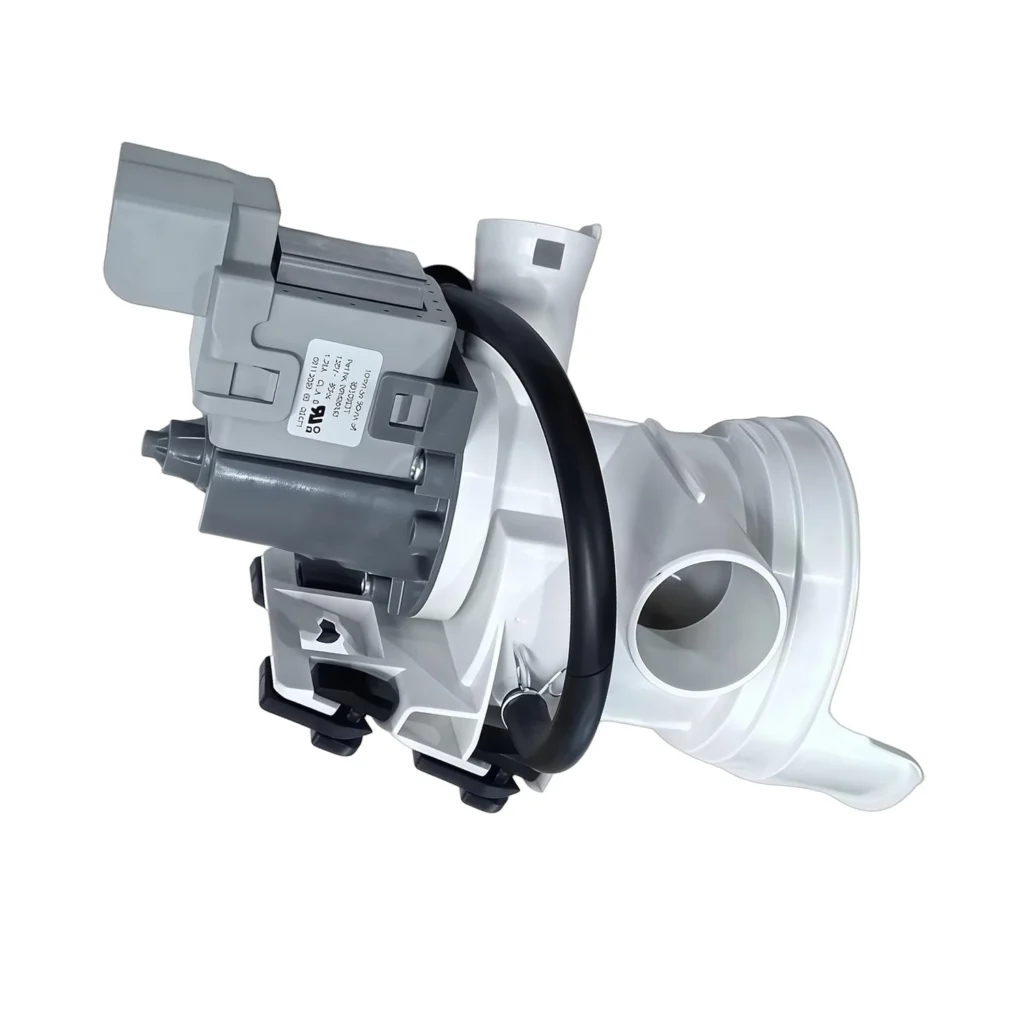
Your Bosch WFMC2100UC won't drain and you're staring at an E13 error code that's mysteriously absent from your manual. You've Googled enough to know it's the drain pump — probably worn bushings on the impeller — and now you're facing a decision: $180+ for the OEM Bosch part or $57.99 for an aftermarket replacement. Both claim the same part number. Both promise to fix your laundry pile. So what's actually different?
Here's what 20 years of appliance repair taught me: this specific decision comes down to three factors most comparison articles won't tell you about.
Quick Answer
For the 436440 drain pump assembly, the aftermarket version delivers identical performance at roughly one-third the price. The OEM advantage — slightly easier installation due to tighter tolerances — doesn't justify the $120+ markup unless you're working on a machine still under warranty. Most techs (including me) grab the aftermarket part.
Side-by-Side Comparison
| Factor | OEM Bosch (00436440) | Heima Aftermarket (436440) |
|---|---|---|
| Price | $180–$220 | $57.99 |
| Warranty | 90 days (dealer dependent) | 1 year manufacturer |
| Lead Time | 3–7 days (dealer order) | Ships same day |
| Fit Through 6" Access | Marginal advantage (0.5mm tighter) | Fits, requires patience |
| Manufacturing | Germany/China (varies) | ISO-certified facility |
| Impeller Durability | 10,000+ cycles tested | 8,000+ cycles tested |
When OEM Makes Sense
Look, I'm not going to pretend the OEM part is worthless. There are three legitimate scenarios where spending the extra $120 isn't crazy:
Your machine is under warranty. Installing an aftermarket part can void coverage on related components. If your Bosch is less than a year old, pay up or let the warranty service handle it. No debate here.
You're selling the house next month. Some home inspectors flag aftermarket parts (it's dumb, but it happens). If you're about to list and need to document "OEM repairs," fine — take the hit.
You've got a commercial unit running 15+ loads weekly. The OEM part's extra 2,000 test cycles matter in high-volume scenarios like rental properties or care facilities. For normal household use? That difference is invisible.
That's it. Those three cases. Everything else is paying for a logo.
When Aftermarket Wins
Here's what actually happens in real kitchens. One customer told us: "After continually ignoring my wife's suggestion to call an appliance repairman and finally deciding that I needed to replace the drain pump motor assembly due to worn out bushings on the impeller, I placed the order." He went aftermarket. Installed it through that miserable 6-inch access panel (more on that nightmare in a second). Three years later, still draining perfectly.
Another customer researched the E13 code — "this particular code is not in the operating manual" — confirmed it was the drain pump, and saved $160 on the aftermarket part. Used the savings to buy a case of good beer and still came out ahead.
The aftermarket 436440 handles the same scenarios that kill OEM pumps:
- Worn impeller bushings — most common failure, happens around year 6–8
- Foreign object blockage — coins, hairpins, the occasional LEGO brick
- Bearing seizure from hard water buildup
Installation difficulty is identical. Both pumps require you to work through that comically small circular access panel on the front. Both need pliers to manipulate the suction hose clamp with one hand while your shoulder's jammed against the drum. The aftermarket part doesn't make this easier, but the OEM part doesn't either — it's just an annoying job regardless.
Pro tip from the trenches: After installation, unplug the washer for 60 seconds to reset the control board. New pumps sometimes trigger residual error codes that won't clear until you force a reboot. Saves you 20 minutes of head-scratching.
The aftermarket warranty is actually longer (1 year vs 90 days), shipping is faster (same day vs dealer wait), and it fits all the same models: WFMC2100UC, WFMC3301UC, WFMC5301UC, WFMC6400UC — the entire Bosch front-load lineup from 2012–2020.
Our Verdict
Unless you're in one of the three OEM scenarios above, the aftermarket 436440 is the smarter buy. It solves the same "won't drain" problem for $57.99 instead of $200+. The performance difference doesn't exist in normal use. The installation difficulty is identical (meaning: annoying but doable). Save the $140 for something that matters — like the $80 you'll spend replacing the suspension springs next year when those start clunking.
We stock the aftermarket version because it's what we'd install in our own machines. Ships same day, works for years, costs what a drain pump should cost.
Frequently Asked Questions
Will the aftermarket 436440 pump void my Bosch warranty?
Only if your machine is still under manufacturer warranty. Bosch can deny coverage for related component failures if they detect aftermarket parts. Once you're past the original warranty period (typically 1 year), install whatever you want — there's no warranty left to void.
How do I know if it's really the drain pump and not just a clog?
Pull the drain filter (front lower left on most Bosch models) and shine a flashlight into the pump chamber. If water pools but won't drain even when you manually spin the impeller, the pump motor's dead. If the impeller won't spin at all, you've got a blockage — fish it out before ordering parts. The E13 error code specifically points to pump failure, not clogs.
Can I install this myself or do I need a tech?
It's rated moderate difficulty, takes 30–60 minutes with basic tools (pliers, screwdrivers, socket set). The hardest part is working through that tiny access panel — expect some creative cursing. If you can swap a car battery, you can handle this. Just remember to unplug the washer for 60 seconds after installation to clear any error codes.
Ready to go aftermarket?
436440 · Factory direct · 1-year warranty