
OEM vs Aftermarket 330031 Surface Burner Receptacle Kit: Which Actually Lasts? (Whirlpool, Maytag, Kenmore)
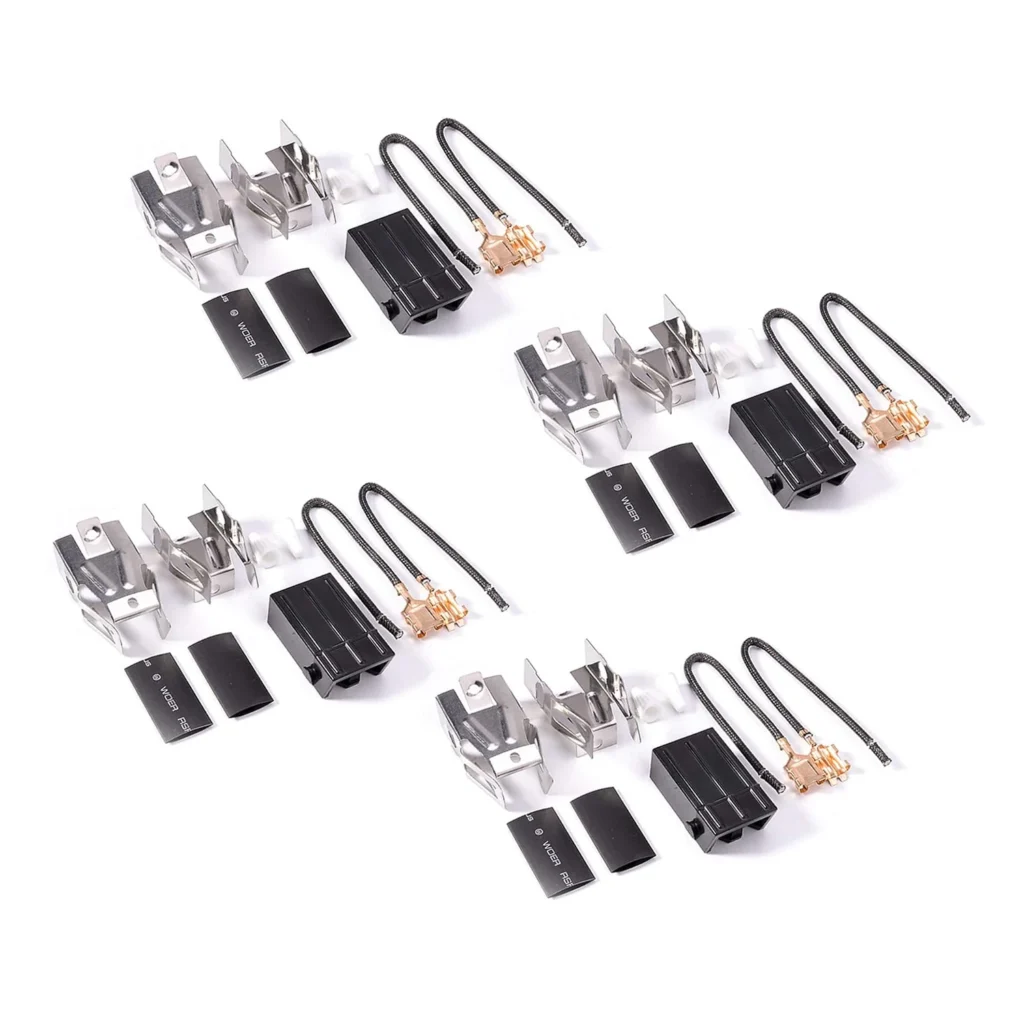
Your RF3020XYW0 burner won't heat. You pull off the element and find a charred, melted receptacle that smells like burnt plastic. Now you're staring at two options on your screen: the OEM Whirlpool part for $45–$65 (if you can even find it in stock), or the aftermarket 330031 kit for around $12–$18. Same day your stove's broken isn't the day you want to gamble on the wrong choice.
I've replaced dozens of these receptacles on Whirlpool, Maytag, and Kenmore ranges. Let's cut through the marketing and talk about what actually matters when you're trying to get your stove working again.
Quick Answer
The aftermarket 330031 kit works just as reliably as OEM for this part. It's the exact same nickel-plated brass terminals and ceramic block design. Unless you're flipping the house tomorrow and want that factory sticker, save yourself $30–$50 and go aftermarket.
Side-by-Side Comparison
| Factor | OEM Whirlpool (W10841094) | Aftermarket 330031 Kit |
|---|---|---|
| Price | $45–$65 | $12–$18 |
| Availability | Often backordered 1–3 weeks | In stock, ships same day |
| Warranty | 90 days (if genuine) | 1 year typical |
| Terminal Material | Nickel-plated brass | Nickel-plated brass |
| Ceramic Block | High-temp porcelain | High-temp porcelain (same spec) |
| Lead Time | 5–21 days | 1–3 days |
| Packaging | Whirlpool-branded box | Generic with installation sheet |
When OEM Makes Sense
There are exactly three scenarios where I'd spring for the OEM receptacle:
You're under warranty. If your range is less than a year old and covered, Whirlpool will only accept their branded part for the claim. Don't fight it — let them pay the premium.
You're selling the house next week. Some home inspectors get picky about "original parts" during pre-sale inspections. The Whirlpool logo on the receptacle might save you a renegotiation headache. Stupid? Yes. Reality? Also yes.
You've got a commercial kitchen insurance policy. Commercial policies sometimes require OEM parts for liability coverage. Read your policy or call your agent before ordering aftermarket.
That's it. Those are the only three times the extra $40 makes sense.
When Aftermarket Wins
For everyone else — which is 95% of people reading this — the aftermarket kit is the smart move.
Here's why: This isn't a computer chip or a precision-machined component. It's a ceramic block with brass terminals. The specs are dead simple — 240V, 50 amps, high-temp ceramic rated to 480°F. Chinese and Indian manufacturers have been making these to exact spec for 15 years. There's no secret sauce.
The aftermarket 330031 fits the same models — RF365BXWN1, RS6700XKW3, FES310BQ1, KECS100SAL6, and 200+ others. Same mounting holes. Same wire gauge. Same terminal spacing.
The most common failure mode for these receptacles is element won't heat. That happens when the terminals get pitted from years of thermal cycling, creating high resistance. Both OEM and aftermarket fail the same way eventually — usually after 8–12 years of daily cooking. You're not buying a lifetime part either way. You're buying 8–10 more years of use.
Speed matters too. When your burner's out, you're ordering takeout or using the microwave. The aftermarket kit ships same-day from most suppliers. OEM? I've seen three-week waits during busy seasons. Your frozen pizza can't wait that long.
Installation Is Identical
Whether you go OEM or aftermarket, the job takes 15 minutes:
- Unplug the range (seriously, don't skip this)
- Remove the burned-out receptacle — two screws through the cooktop
- Disconnect the two wires from the old terminals
- Connect wires to new receptacle terminals (match colors if they're marked)
- Mount new receptacle with original screws
- Plug element back in, test with power on
No special tools. No wiring diagram needed. If you can use a screwdriver and remember which wire went where, you can handle this repair.
Our Verdict
Go aftermarket unless you're under warranty or selling the house. The 330031 kit delivers the same performance, fits the same models (RF3020XYW0, RF390PXWW1, RS630PXV2, and hundreds more), and costs less than a tank of gas. The OEM premium buys you a logo and slower shipping. That's it.
I've installed both versions on everything from 15-year-old Maytag ranges to newer KitchenAid models. Zero functional difference. The aftermarket receptacles handle 50-amp element loads just fine. They don't melt faster. They don't arc more. They just cost less and arrive quicker.
Save your money for the things that actually matter — like the high-temp wire if yours is crispy, or a new element if the coil's cracked. Don't blow the budget on a branded ceramic block.
Frequently Asked Questions
Will the aftermarket receptacle void my appliance warranty?
If your range is still under manufacturer warranty, yes — using aftermarket parts can void coverage for related failures. But if you're past the warranty period (typically 1 year for ranges), there's no coverage to void. The Magnuson-Moss Warranty Act protects your right to use aftermarket parts for out-of-warranty repairs.
How do I know if my receptacle is actually bad or if it's the element?
Pull the element out and inspect the receptacle terminals. If they're pitted, blackened, or melted, the receptacle's toast. If the terminals look clean and shiny, test the element with a multimeter — should read 30–50 ohms of resistance. No continuity? Bad element. Infinite resistance through one coil side? Also bad element. If terminals are scorched but element tests good, replace the receptacle.
Can I use this 330031 kit on gas range models?
No. This is a surface burner receptacle for electric coil ranges only. Gas ranges don't use electric elements or receptacles for the cooktop burners (though they might have electric igniters, which are completely different parts). Double-check your model number — if it's an electric coil stove with burners that plug in, you're good. If it's gas with flames, you need a different repair.
Ready to go aftermarket?
330031 · Factory direct · 1-year warranty