Free Shipping $49+
Factory Direct No Middleman
30-Day Returns
24/7 1-800-HEIMA-00
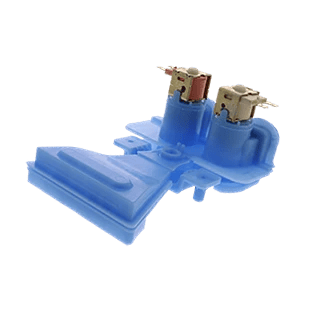
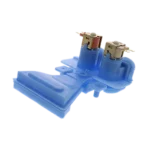
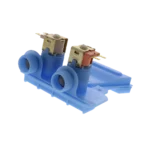
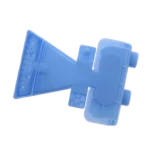
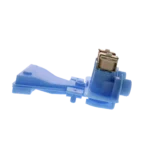
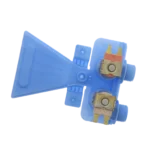
Solenoid coils fail to open, blocking water from entering the tub at the start of a cycle. Replacing the inlet valve restores normal fill.
Mineral deposits and debris partially block the valve ports, causing sluggish or inconsistent water entry. A new valve eliminates the restriction.
Cracked valve body, degraded O-ring seals, or faulty solenoid connections cause water to pool behind the machine. Valve replacement stops the leak.
One solenoid coil fails, allowing only hot or only cold water to enter regardless of the selected cycle setting. A new dual-solenoid valve corrects temperature control.
A stuck-open solenoid allows water to trickle or flood into the tub even when the washer is off. Replacing the valve stops uncontrolled water flow.
💡 Pro Tip: How to Know Your Water Inlet Valve Has Failed
Your part is likely the culprit if you notice any of the following:
⚠️ Washer does not fill with water at the start of a cycle
⚠️ Water enters the tub very slowly or intermittently
⚠️ Water leaks around the back of the machine near the valve area
⚠️ Wrong water temperature — only hot or only cold water fills regardless of cycle setting
🔍 To confirm: Use a multimeter to test solenoid coil resistance (should read 200–500Ω each). Zero resistance or open circuit = valve has failed. Also visually inspect for mineral scaling or cracked valve body. Never attempt to clean a clogged inlet valve — replacement is always recommended.
📦 What's in the Box
✅ 1× Water Inlet Valve Assembly (120V, Dual Solenoid, replaces WH13X24386 / WH13X26535)
We typically respond within 1 business day. Include your appliance model number for the fastest answer.
Disclaimer: Compatibility information, part numbers, and model fitment data on this page are sourced from manufacturer databases and third-party references. While we strive for accuracy, please verify your appliance model number before ordering. Heima is not responsible for errors or omissions in compatibility listings.

Reviews
There are no reviews yet.