
Frigidaire Washer Won't Spin or Agitate — 5 Drive Belt Failures & Fixes
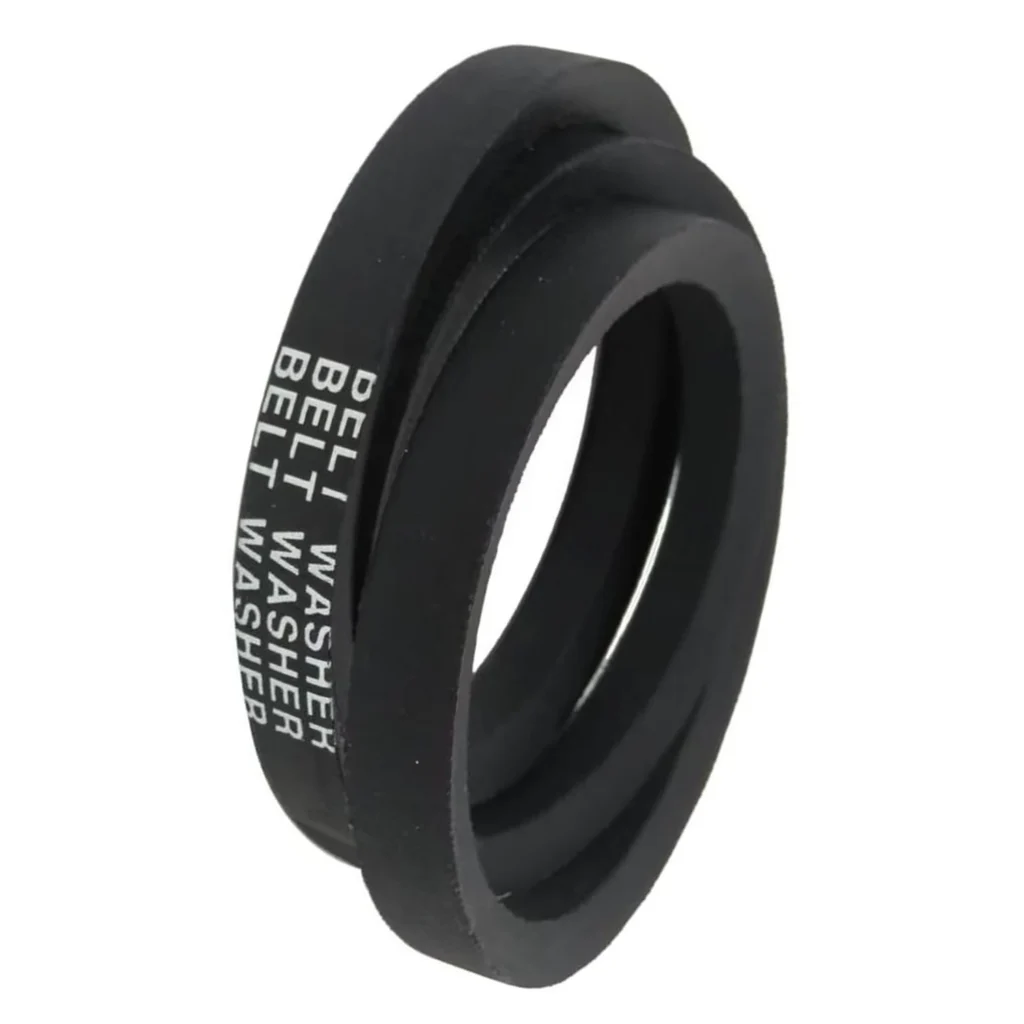
You load the washer, hear it filling normally, but when it's time to spin... nothing. Or worse — you hear a grinding sound and smell burning rubber. One customer described it perfectly: "I replaced the spin bearing, tub seal, washer and drive belt since I had it all apart." That burning smell? That's your drive belt crying for help.
The drive belt (part 134511600) connects your motor to the transmission. When it fails, your Frigidaire washer becomes a glorified laundry soaking tub. Let's diagnose what's actually broken.
Quick Symptom Check
Your washer is telling you the belt's failing if you notice:
- Spins slowly or not at all — motor runs but drum barely moves
- Burning rubber smell — belt slipping against pulleys
- Pumps water but won't spin — agitates fine, dies at spin cycle
- Won't agitate — complete loss of drum movement
- Loud grinding or squealing — belt deteriorating or misaligned
- Won't drain properly — pump can't operate without belt drive
Cause #1: Worn or Stretched Belt (70% Probability)
Drive belts don't last forever. After years of hot water, detergent residue, and constant tension, the rubber degrades. A stretched belt slips instead of gripping, especially under the heavy load of a spin cycle.
Diagnosis: Unplug the washer and access the rear panel. Check the belt for:
- Glazed, shiny surface (means it's been slipping)
- Cracks or fraying along the edges
- Visible stretching — you can press it more than half an inch
- Missing chunks of rubber
If you can spin the drum by hand with little resistance, the belt's too loose. Normal tension should require moderate force.
Fix difficulty: Easy. 15-30 minutes with basic tools.
Cause #2: Broken or Snapped Belt (25% Probability)
Sometimes the belt just gives up completely. You'll know immediately because the drum spins freely by hand — there's zero resistance. The motor will run (you'll hear it), but nothing happens.
Diagnosis: Remove the rear access panel. If the belt's snapped, you'll see it hanging loose or completely off the pulleys. One user noted: "I replaced the idler pulley, drive belt, and while I was at it, also replaced the snubber ring."
Check the pulleys while you're in there. A broken belt often damages the idler pulley or motor pulley.
Fix: Replace the belt (134511600) and inspect all pulleys for wear. If the idler pulley wobbles or has rough bearings, replace it too.
Cause #3: Seized Idler Pulley (20% Probability)
The idler pulley maintains belt tension. When its bearing seizes, the belt can't move properly — it either slips constantly or breaks quickly.
Diagnosis: With the rear panel off, try spinning the idler pulley by hand. It should rotate smoothly and quietly. If it:
- Grinds or makes noise — bearing's shot
- Wobbles side to side — mounting bracket's worn
- Won't spin freely — completely seized
A failing idler pulley often creates that burning smell before the belt actually breaks.
Fix: Replace both the idler pulley and belt together. Installing a new belt on a worn pulley just means you'll be back here in six months.
Cause #4: Transmission or Motor Pulley Issues (15% Probability)
Less common, but if the belt keeps breaking in the same spot or throws itself off the pulleys, check the pulleys themselves.
Diagnosis: Inspect the motor pulley and transmission pulley for:
- Grooves worn into the pulley groove
- Pulley wobbling on the shaft
- Bent or damaged pulley flanges
- Loose mounting bolts
A misaligned motor can cause the belt to ride up and off the pulley. Check that all mounting bolts are tight.
Cause #5: Overloading Damage (10% Probability)
Consistently overloading your washer puts excessive strain on the belt. It'll stretch prematurely and start slipping under heavy loads first, then eventually during normal cycles.
Diagnosis: If your belt's stretched but relatively new (less than 2 years old), overloading's likely the culprit. The washer will spin fine with small loads but struggle or smell like burning rubber with full loads.
Fix: Replace the belt, but more importantly — stop cramming in those oversized comforters. Your washer's capacity rating exists for a reason.
How to Replace the Drive Belt (134511600)
Tools needed: Pliers, screwdrivers, socket set
- Unplug the washer and turn off water supply
- Remove rear access panel (usually 4-6 screws)
- Take a photo of belt routing before removal
- Release tension by pushing idler pulley toward motor
- Slip old belt off pulleys
- Loop new belt around motor pulley first
- Route around transmission pulley and through idler
- Pull idler pulley back to tension belt
- Rotate drum by hand several times to seat belt
- Reinstall panel and test
Pro tip: While you've got the panel off, clean out any lint buildup around the motor and pulleys. That stuff's a fire hazard.
When to Call a Pro
This is genuinely a DIY-friendly repair. But call a technician if:
- The transmission itself is leaking oil or making grinding noises
- The motor won't run at all (electrical issue, not belt)
- You've replaced the belt twice and it keeps breaking (alignment problem)
- The drum won't turn even with the belt off (seized bearing)
Otherwise, save yourself the $200 service call. As one customer put it: "I found step by step videos on YouTube which enabled me to do the repairs myself." You've got this.
Frequently Asked Questions
How long does a washer drive belt typically last?
Expect 5-7 years with normal use. Heavy use, overloading, or hot water washing can cut that to 3-4 years. If you're smelling burning rubber or hearing squealing, don't wait — the belt's already failing.
Will my washer drain if the drive belt is broken?
Usually no. The belt drives both the transmission (for spinning) and the drain pump in most Frigidaire models. You'll end up with a tub full of water and no way to pump it out. You'll need to manually drain it before accessing the belt.
Can I use a generic belt instead of part 134511600?
Don't. Generic belts might fit, but they're sized differently and won't maintain proper tension. You'll either get slipping (too loose) or premature wear (too tight). The OEM belt costs $13.99 — not worth gambling on a $6 knockoff that'll fail in three months.
Diagnosed the problem?
134511600 · In Stock · Fast shipping