
Whirlpool Dryer Drum Not Spinning — 3 Causes & How to Fix
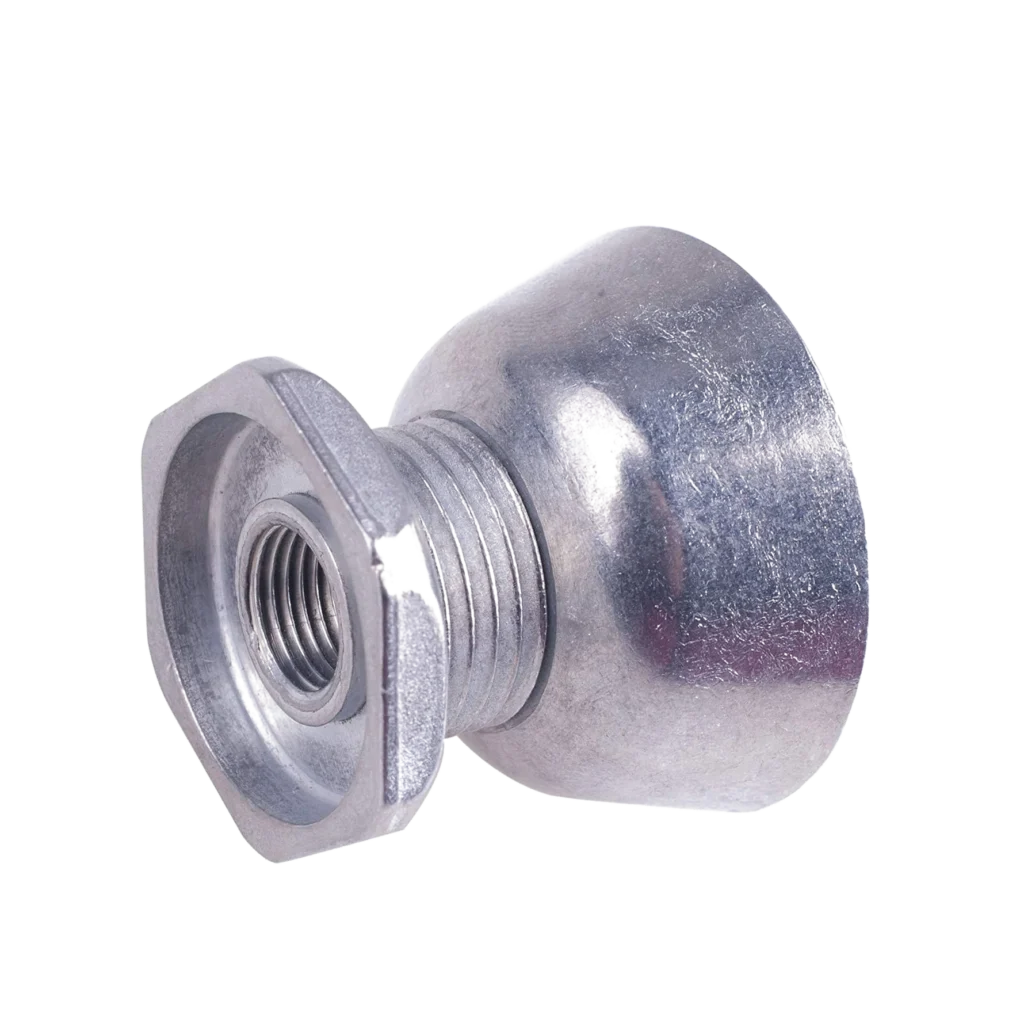
You load wet towels into your Whirlpool dryer, hit start, and hear the motor humming — but the drum just sits there. No rotation. No heat helping anyway because nothing's tumbling. This exact scenario hits models like the WED9200SQ0 and WGD9500TW3 more often than you'd think, and 80% of the time, it traces back to three specific components in the belt-and-pulley system.
Before you panic about motor replacement (expensive), let's walk through what's actually failing. I've fixed this issue dozens of times, and it's almost never the motor itself.
Quick Symptom Check
- Motor hums or runs but drum doesn't rotate — classic pulley or belt failure
- Loud squealing or grinding noise before it stopped — worn pulley bearing
- Dryer starts but stops after a few seconds — belt slipping off damaged pulley
- No noise at all, completely dead — could be thermal fuse (different issue)
If your motor's making noise but the drum won't budge, you're in the right place. Let's diagnose this properly.
Cause #1: Cracked or Broken Motor Pulley (70% Probability)
The motor pulley on Whirlpool dryers — especially models like the WED8300SW2, WED4815EW1, and WGD9450WW2 — takes serious mechanical stress. It spins at high RPM while gripping the belt that turns your 50-pound drum full of wet clothes. Over 5-10 years, plastic fatigues and metal grooves wear down.
Here's what actually happens: the pulley develops hairline cracks around the mounting hole or along the rim groove. Eventually it breaks completely, or the belt groove wears so smooth the belt just slips uselessly. The motor keeps spinning, but rotational force never reaches the drum.
How to diagnose:
- Unplug the dryer (seriously — disconnect power first)
- Pull the dryer away from the wall, remove the lower front panel or rear panel depending on your model
- Locate the motor — it's bottom-center with a small pulley attached
- Inspect the pulley for visible cracks, chips, or a worn-smooth belt groove
- Try spinning the drum by hand — if the belt's loose or falls off easily, the pulley's shot
The W10837625 replacement pulley fits virtually every Whirlpool, Maytag, KitchenAid, and Kenmore dryer made in the last 15 years. It replaces older numbers like 3389729, W10460106, and 694872. Cost? About $11. Way cheaper than a service call.
Cause #2: Worn or Broken Drive Belt (20% Probability)
Sometimes the pulley's fine but the belt itself has worn through. Dryer belts are rubber with fabric reinforcement — they stretch, crack, and eventually snap after years of heat cycles and friction.
If you open the dryer and find the belt completely broken or lying in the bottom of the cabinet, that's your problem. But here's the thing: a worn pulley often causes premature belt failure. The rough edges of a damaged pulley chew through belts like sandpaper.
Check this:
- Look for belt fragments inside the dryer cabinet
- Inspect the belt for fraying, cracks, or a shiny glazed surface (means it's been slipping)
- If the belt's intact but loose, the issue's probably the pulley or idler tension
Smart move: if you're replacing the pulley anyway, replace the belt at the same time. They're $15-20 and you've already got the dryer apart. Prevents a callback in six months.
Cause #3: Seized Idler Pulley Assembly (10% Probability)
The idler pulley maintains tension on the belt between the motor pulley and drum. It's spring-loaded and should pivot smoothly. When the bearing inside seizes up, the belt can't maintain proper tension — it slips or the motor stalls trying to overcome the resistance.
You'll sometimes hear loud squealing for weeks before total failure. That's the seized bearing screaming for help.
Test it: With the dryer open and belt exposed, push on the idler pulley. It should move easily against spring tension and spin freely. If it's stiff or won't spin, replace it alongside the motor pulley.
The 30-Minute Fix
Replacing the motor pulley on models like the WED5000DW2 or WED7400XW0 is genuinely straightforward. You'll need basic tools: nut drivers, a socket set, screwdriver, and maybe adjustable pliers.
Process overview:
- Disconnect power completely
- Remove lint screen and screws underneath, then top panel
- Disconnect door switch wire if needed
- Remove front panel to access drum and belt
- Lift drum slightly, release belt tension, pull belt off pulleys
- Remove motor mounting screws
- Slide old pulley off motor shaft (might need to loosen setscrew or just pull hard)
- Install new W10837625 pulley, ensuring it's seated fully and any setscrew is tight
- Loop belt back around drum, motor pulley, and idler
- Reassemble in reverse
Total time: 30-60 minutes if you've never done it before. Maybe 20 if you have. The hardest part is usually wrestling the front panel back into those clips.
When to Call a Pro
Here's when DIY isn't the answer: if the motor itself is dead (no humming, no noise, completely silent), you're looking at motor replacement or electrical issues that need proper diagnosis. Also, if you pull everything apart and find the drum rollers completely seized or the drum bearing worn out, that's a bigger job requiring more disassembly.
But if it's just the pulley? You're throwing money away hiring this out. The part costs $11. A tech charges $150-250 for the same fix.
Frequently Asked Questions
How do I know if it's the pulley or the motor that's bad?
If you hear the motor running (humming sound) but the drum doesn't spin, it's almost always the pulley, belt, or idler — not the motor. A truly bad motor is silent or trips the breaker. Open it up and visually inspect the pulley for cracks or wear in the belt groove.
Can I use a metal pulley instead of plastic?
The W10837625 is the OEM-spec part for your model. Some older dryers used metal pulleys, but modern Whirlpool designs specify this composite pulley for a reason — it reduces vibration noise and provides better grip. Stick with the correct part for models like WED9470WW2 or WGD9450WR2.
Why did my pulley break in the first place?
Normal wear over 7-10 years. Every load puts stress on that pulley — it's spinning thousands of RPM under tension. Also, if your drum rollers or bearings were worn out, that extra resistance accelerated pulley wear. If this is your second pulley failure in three years, inspect the drum support components too.
Diagnosed the problem?
W10837625 · In Stock · Fast shipping