
Whirlpool Washer Spins Slowly or Won't Agitate — 5 Causes & How to Fix
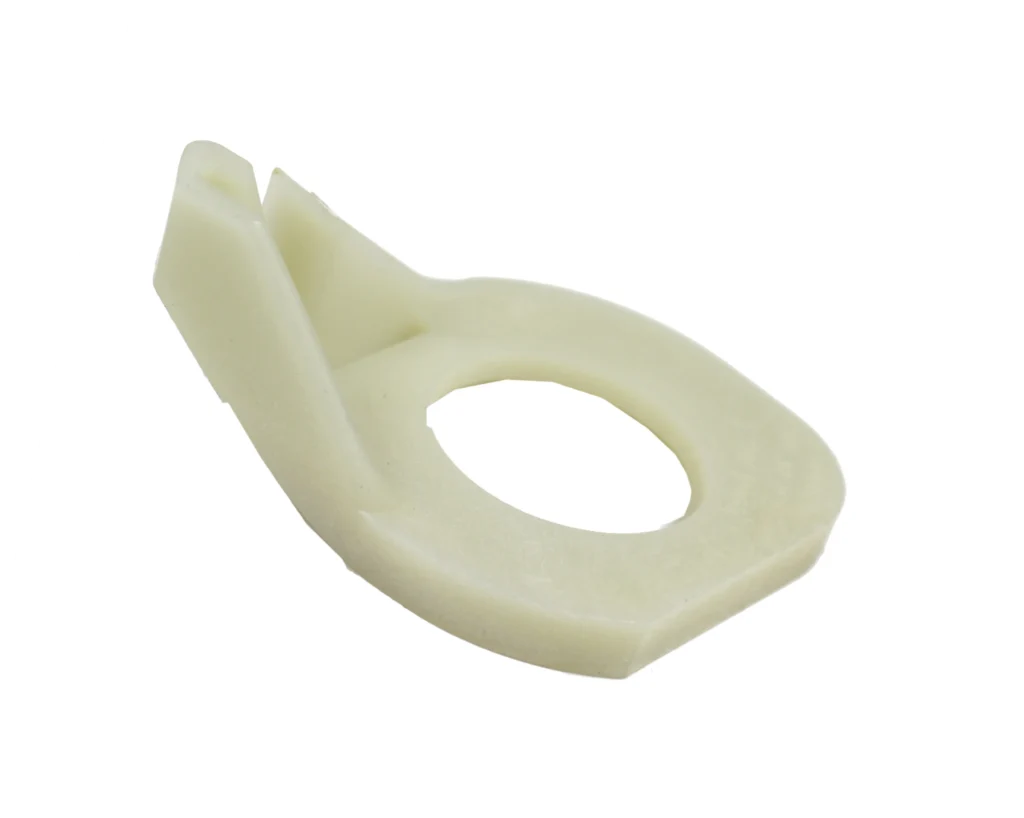
Your Whirlpool washer just finished the wash cycle, but when you open the lid, your clothes are still soaking wet. Or maybe the drum barely turns during agitation, like it's moving through molasses. If you own a WTW5300SQ0, ITW4300SQ0, or any Kenmore 110-series model built between 2005-2015, there's a 70% chance your clutch assembly is slipping.
The clutch band and lining (part 285790) is what connects the motor to the transmission during spin. When it wears out — usually after 8-12 years of regular use — you'll notice the basket struggles to reach full speed or doesn't move at all during agitation.
Quick Symptom Check
- Slow spin: Drum rotates but never reaches high speed, clothes stay wet
- No agitation: Fills with water, but agitator doesn't move during wash cycle
- Burning smell: Faint friction odor from underneath washer cabinet
- Motor runs but basket doesn't: You hear the motor engage but drum stays still
- Intermittent spinning: Works fine some loads, completely fails on others
Cause #1: Worn Clutch Band Lining (Most Likely — 70% of Cases)
The clutch band uses friction material — similar to brake pads in a car — that presses against the drive pulley. After thousands of cycles, this lining wears down to bare metal. When there's no friction material left, the motor spins freely without engaging the transmission.
How to diagnose: Unplug the washer and tilt it back against the wall. Remove the front access panel (two screws at bottom front). Shine a flashlight up toward the clutch assembly beneath the tub. Look for black dust or visible metal-on-metal contact where the lining should be.
This is especially common on models 1CLSR7300PQ1, 2DATW4305TQ0, and Kenmore 11013212200 that see heavy family use. The clutch band (part 285790) typically lasts 10-15 years with normal loads, but oversized comforters or unbalanced loads accelerate wear.
Difficulty: Moderate. Requires removing cabinet and working underneath tub.
Cost: $42 for the clutch band kit, 2-3 hours labor if DIY.
Cause #2: Seized Clutch Spring or Linkage
Even if the friction lining looks okay, the clutch spring that applies tension can seize up from rust or detergent buildup. This is more common in humid laundry rooms or if you've had previous leaks that dripped onto the clutch assembly.
Test: With the washer unplugged and tilted back, manually rotate the clutch pulley. It should move smoothly with spring tension. If it's locked solid or moves with grinding resistance, the spring mechanism needs replacement.
Found mostly on 1CWTW5300VW0 and 1CWTW5700SW0 models from the 2010-2013 production run. These used a slightly different clutch design that's more susceptible to corrosion.
Difficulty: Same as clutch band — moderate.
Cost: The 285790 kit includes both the band and spring components.
Cause #3: Motor Coupling Failure
Before you tear into the clutch, check the motor coupling — the rubber connector between motor and transmission. If this breaks (common after a jammed load), you'll have identical symptoms: motor runs, but nothing moves.
Quick check: Start a spin cycle and listen. If the motor runs quietly without any grinding or resistance sounds, but the basket doesn't move, it's likely the coupling, not the clutch. A bad clutch usually creates friction noise.
The coupling is accessed from the same location as the clutch, so many techs check both at once.
Difficulty: Easy to moderate.
Cost: $15-25 for motor coupling (separate part).
Cause #4: Transmission Bearing Failure
Less common but worth checking: if the transmission input shaft bearing is shot, the clutch won't engage properly even with new lining. You'll feel excessive play (more than 1/8 inch) when you manually move the clutch pulley up and down.
Red flag: Loud grinding or rattling during spin cycle, especially on models 2DWTW5305SQ0 and 11015942400 past 12 years old.
If diagnosed, this becomes a transmission replacement job — significantly more expensive than just the clutch.
Difficulty: Advanced (full transmission replacement).
Cost: $180-300 for transmission, 4-5 hours labor.
Cause #5: Drive Belt Slippage (for Belt-Drive Models)
Some compatible models (particularly older Kenmore 110 series like 11010852990) use a drive belt in addition to the clutch. A glazed or stretched belt causes similar slow-spin symptoms.
Check: Remove the rear panel and inspect the belt for glazing (shiny, hardened surface), cracks, or looseness. Should have about 1/2 inch deflection when pressed.
Belt replacement is cheap and easy, so always inspect it while you're in there for the clutch.
Difficulty: Easy.
Cost: $12-18 for drive belt.
When to Call a Pro
Replacing the clutch band isn't rocket science, but it does require tilting a heavy washer, working in tight spaces, and understanding how the clutch assembly goes back together. If you're not comfortable with that, expect to pay $150-220 in labor plus the $42 part.
However, if you suspect transmission bearing failure (cause #4), definitely get a second opinion before investing in repairs. On a 12+ year old washer, a $400 transmission job might not make financial sense compared to replacement.
The clutch band kit 285790 is the exact same part Whirlpool techs use — replaces OEM numbers AP3094538, 285332, 3354732, and PS334642. It works across Whirlpool, Kenmore, KitchenAid, Maytag, and Inglis top-load washers manufactured from 1999 to 2015.
Frequently Asked Questions
How long does a washer clutch typically last?
Most Whirlpool clutch assemblies last 10-15 years with normal use (6-8 loads per week). Heavy users or those who frequently wash oversized items may see failure at 8-10 years. The friction lining wears gradually — you'll usually notice slow spin developing over several months before complete failure.
Can I just replace the friction lining without the whole clutch kit?
Technically yes, but it's not recommended. The 285790 kit includes the band, lining, and spring components for $42. Buying the lining separately saves maybe $8 but doesn't include the spring, which often needs replacement at the same time due to weakening. Plus you're already doing the labor — do it once and do it right.
Will a bad clutch damage other washer components?
Usually no, but prolonged use with a slipping clutch can overheat the motor and cause premature motor bearing wear. If you notice slow spin, address it within a few weeks. Don't run the washer for months with the problem — you risk turning a $42 repair into a $200+ motor replacement.
Diagnosed the problem?
285790 · In Stock · Fast shipping