
Whirlpool Dishwasher Leaking from Door — 5 Causes & How to Fix
You load the dishwasher, hit start, and twenty minutes later you're stepping in a puddle. Not ideal. If your Whirlpool, Maytag, or KitchenAid dishwasher is leaking water from the door during cycles, you're dealing with one of the most common dishwasher problems — and fortunately, one of the most fixable.
Models like the WDT710PAYM3, WDF510PAYS6, and GU2275XTVY series all share the same door seal design. When that gasket fails, water escapes. Sometimes it's obvious — a torn rubber seal hanging loose. Other times it's subtle — just enough moisture to warp your flooring over months.
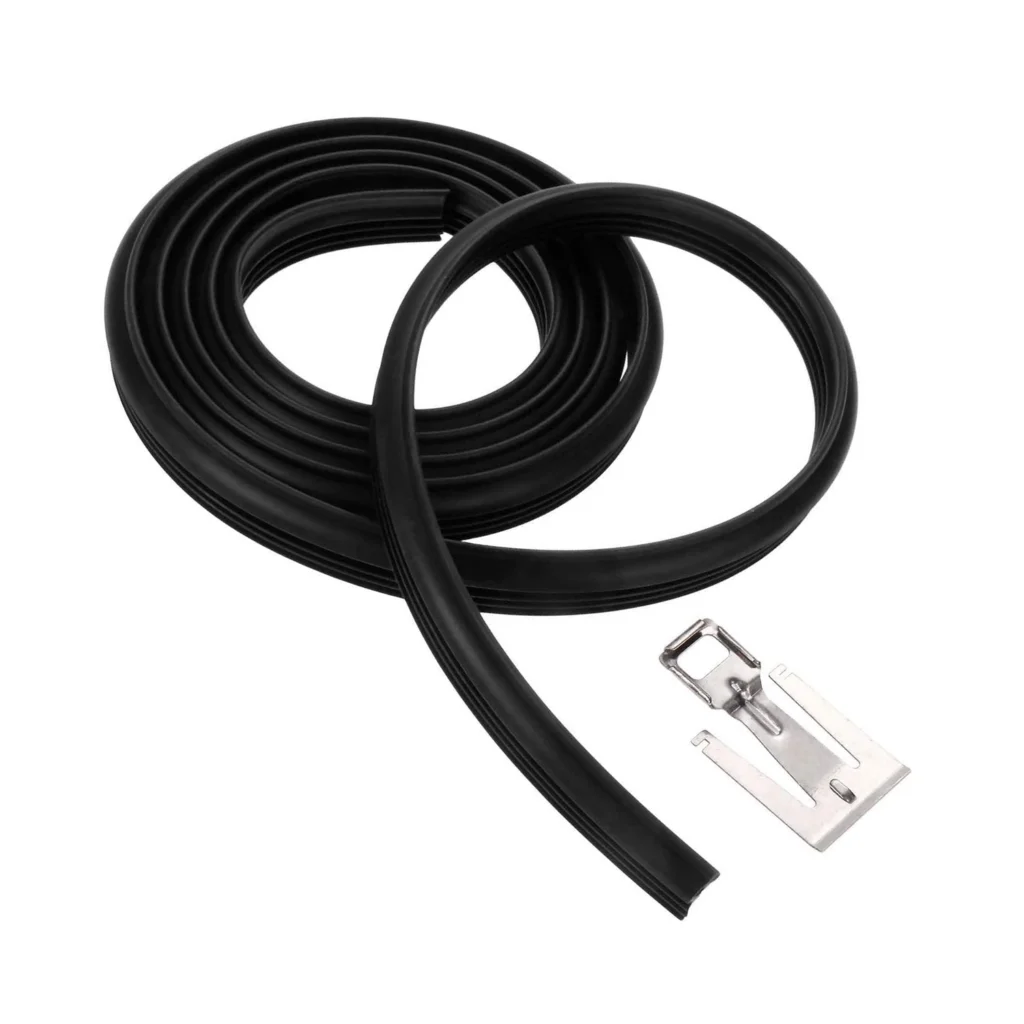
Here's how to pinpoint what's causing your leak and whether you need the W10542314 gasket kit or something else entirely.
Quick Symptom Check
- Water pooling in front of the dishwasher during wash cycle — classic door seal failure
- Dishes not getting clean, especially on the top rack — pressure loss from air gaps in the seal
- Door feels loose or doesn't click shut firmly — strike plate or latch issue combined with gasket wear
- Visible tears, cracks, or hardened sections in the rubber gasket — definitive seal failure
- Water dripping from the top corners of the door — gasket misalignment or deterioration at stress points
Cause #1: Torn or Deteriorated Door Gasket (70% of Cases)
This is the big one. The rubber gasket running around your dishwasher door takes a beating — hot water, detergent chemicals, constant flexing. Over 3-5 years, it develops tears or goes hard and brittle.
How to diagnose: Open the door and run your fingers along the entire gasket. You're feeling for gaps, tears, or sections that feel stiff instead of pliable. Pay special attention to the top corners where stress concentrates. One user noted they "removed the old gasket" after finding it had pulled away from the groove in multiple spots.
The fix: Replace it with the W10542314 kit. Here's the trick most people miss — place the new gasket in warm water for 5-10 minutes before installation. This makes the rubber flexible and way easier to work with. Find the center mark on the gasket, align it with the top center of the door groove, then work outward to both sides. You'll have about an inch of overlap on each side that curves toward the center — that's normal, not a mistake.
Cost: $51.99 for the complete kit
Time: 15-30 minutes
Difficulty: Easy — no tools required beyond your hands
Cause #2: Worn Strike Plate (15% of Cases)
The strike plate is the metal piece on the dishwasher frame that the door latch hooks into. If it's worn, bent, or loose, the door won't compress the gasket properly — even if the gasket itself is fine.
How to diagnose: Close the door and watch how the latch engages. Does it feel solid, or does the door have play even when "closed"? Check if the strike plate has visible wear marks or if the screws holding it are loose.
The fix: Good news — the W10542314 kit includes a replacement strike plate. Remove the two screws holding the old one, clean the mounting area, and install the new strike. Tighten it firmly but don't overtighten (you'll crack the plastic dishwasher frame).
Cost: Included in the W10542314 kit
Time: 5 minutes
Difficulty: Easy
Cause #3: Misaligned Door Gasket (8% of Cases)
Sometimes the gasket isn't bad — it's just not seated correctly in the groove. This happens after someone removes the lower dish rack roughly or if the gasket was replaced previously and installed wrong.
How to diagnose: Look at the gasket from the side while the door is closed. Is it bulging out in spots or sitting unevenly? Open the door and check if sections have popped out of the channel.
The fix: You might not need a new gasket. Try reseating it — remove it completely, clean the groove thoroughly (old detergent buildup prevents proper seating), warm the gasket in water, and reinstall starting from the top center. One installer specifically noted: "Cleaned gasket groove" as a critical step before installation.
Cost: $0 if reseating works, $51.99 if you need a replacement
Time: 10 minutes
Difficulty: Easy
Cause #4: Detergent Buildup Preventing Seal (5% of Cases)
Powder detergent especially can leave a chalky residue in the gasket groove. Over time, this builds up enough that the gasket can't compress fully against the door.
How to diagnose: Run your finger inside the groove where the gasket sits. Does it feel gritty or have white/gray buildup?
The fix: Remove the gasket and scrub the groove with white vinegar and an old toothbrush. Let it dry completely, then reinstall the gasket (or install a new one if it's also deteriorated).
Cost: $0-$51.99 depending on gasket condition
Time: 20 minutes
Difficulty: Easy
Cause #5: Cracked Door Panel (2% of Cases)
Rare, but it happens — the plastic inner door panel develops a hairline crack, usually near a screw hole. Water seeps through this crack, and replacing the gasket won't help.
How to diagnose: With the door open, inspect the inner plastic panel closely. Look for cracks radiating from screw holes or stress points. Run a cycle and watch specifically where water appears — if it's weeping from the door panel itself rather than the seal line, you've got a crack.
The fix: This requires inner door panel replacement, which means disassembling the entire door. Honestly? This is a pro job unless you're very comfortable with appliance repair.
Cost: $150-$300 for panel + labor
Time: 1-2 hours (professional)
Difficulty: Hard
When to Call a Pro
Replace the gasket yourself — it's genuinely easy and you'll save $150 in service call fees. The installation is straightforward: warm water, start at the top center, work outward. You don't need special tools.
Call a professional if you've replaced the gasket and strike plate but still have leaks, or if you suspect a cracked door panel. Also call if your dishwasher is leaking from anywhere other than the door seal — that indicates pump, hose, or tub issues beyond this repair.
Frequently Asked Questions
How long does a dishwasher door gasket typically last?
3-7 years depending on usage and water hardness. If you run your dishwasher daily with hard water and high-temp wash cycles, expect the lower end of that range. Models like the WDF530PAYM3 and GU2400XTPQ6 use the same gasket design, so replacement intervals are similar across Whirlpool brands.
Can I run the dishwasher with a torn gasket temporarily?
You can, but don't. Even small leaks cause water damage to your flooring and cabinets — damage that costs way more than a $52 gasket. Plus, a compromised seal means your dishwasher is losing pressure during the wash cycle, so your dishes aren't getting as clean. Replace it as soon as you notice the tear.
Why does my new gasket have extra material on the ends?
That's normal and intentional. The W10542314 gasket is designed with about an inch of overlap on each side. These ends curve gently toward the door center. Don't trim them — they provide continuous seal tension around the entire door perimeter. Multiple installers have confirmed this is correct installation, not a defect.
Diagnosed the problem?
W10542314 · In Stock · Fast shipping