
OEM vs Aftermarket GE Dryer Belt: Which WE12M29 Should You Buy?
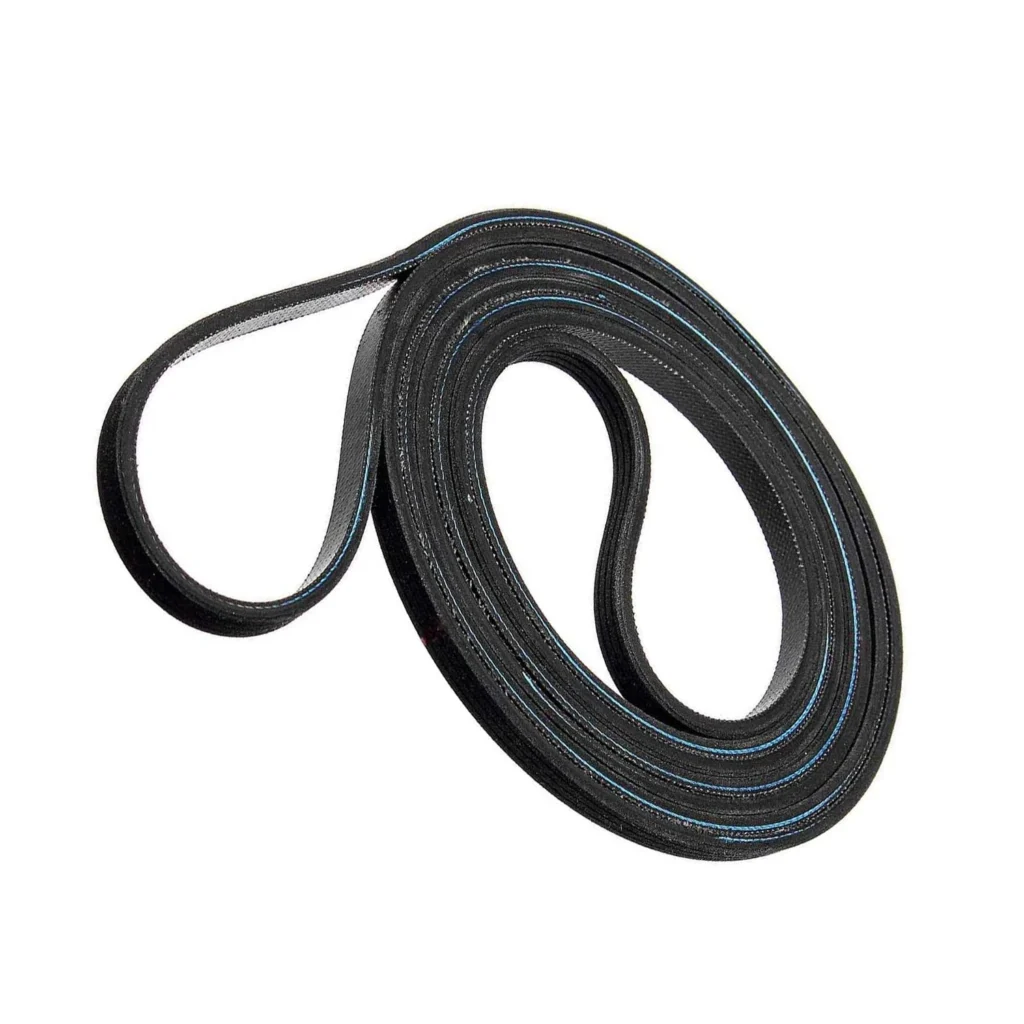
Your GE dryer just stopped mid-cycle. The drum won't turn, but you hear the motor running. Classic broken belt. Now you're staring at two prices online: a genuine GE belt for $45–$65, or an aftermarket replacement like ours for $23.99. That's a 50% difference. Is the OEM version really worth double?
I've replaced hundreds of these belts across models like the GTD42EASJ2WW, GTDP490ED0WS, and DBXR463ED1WW. Here's what actually matters when you're making this call.
Quick Answer
For most homeowners, the aftermarket WE12M29 is the smarter buy. It fits the same, lasts just as long, and costs half as much. The only time I recommend OEM is if you're repairing a dryer under manufacturer warranty or fixing a high-end commercial unit where you need traceable part documentation.
Side-by-Side Comparison
| Factor | OEM GE WE12M29 | Heima Aftermarket |
|---|---|---|
| Price | $45–$65 | $23.99 |
| Warranty | 90 days (typical) | 1 year |
| Lead Time | 3–7 days (dealer order) | Ships same day |
| Material | Reinforced rubber | Reinforced rubber (same spec) |
| Fit Quality | Exact OEM fit | Exact OEM fit (replaces 5+ part numbers) |
| Manufacturing | Contract manufacturer | ISO-certified facility |
When OEM Makes Sense
There are legitimate reasons to pay extra for the genuine GE part. If your dryer is still under the original manufacturer warranty, using an OEM belt keeps that coverage intact. Some warranty agreements explicitly void coverage if non-OEM parts are detected during service.
Commercial laundry operations sometimes require OEM parts for insurance or franchise compliance reasons. If you're running coin-op machines or managing a laundromat, check your policy before ordering.
That's about it. For a typical home dryer that's 3–10 years old, you're paying a brand premium without getting better performance.
When Aftermarket Wins
The aftermarket WE12M29 uses the same reinforced rubber construction and identical dimensions as the OEM belt. It's a direct-fit replacement for part numbers WE03X29897, WE12X21574, WE12M22, AP4324040, and PS1766009 — meaning it works across dozens of GE, Hotpoint, and Kenmore models.
Speed matters when your dryer's down. Genuine GE parts often require ordering through an authorized servicer, which adds 3–7 days. Our aftermarket version ships the same day you order.
The warranty difference is telling: most OEM belts come with 90 days of coverage, while quality aftermarket parts offer a full year. Manufacturers know their parts will last — they're just not interested in long warranty periods because it's a hassle for them. Aftermarket suppliers compete on service.
Installation is identical either way. You'll pull the front panel, release tension on the idler pulley, loop the belt around the drum and motor pulley, and snap everything back together. The belt doesn't know whether you paid $24 or $60 for it.
Our Verdict
Save your money. The aftermarket WE12M29 delivers the same fix for half the price, ships faster, and comes with a better warranty. I'd only spring for OEM if you're trying to preserve a manufacturer warranty or need documentation for commercial insurance.
One caution: don't buy the cheapest belt you can find on random marketplace sites. Stick with suppliers who actually test their parts and offer real customer service. A $12 belt from an unknown seller might snap in three months, which defeats the whole point of saving money.
Frequently Asked Questions
Will an aftermarket belt void my GE dryer warranty?
If your dryer is still under the original manufacturer warranty, yes — using non-OEM parts can void coverage for related components. Once that warranty expires (typically after 1 year), it doesn't matter what parts you use.
How long does a replacement dryer belt typically last?
Both OEM and quality aftermarket belts last 5–10 years with normal residential use. Belt failure is usually caused by age and heat cycling, not the brand name on the label. If your belt broke after just 2–3 years, check for drum bearing problems or excessive lint buildup that's making the motor work too hard.
Can I tell if my dryer belt is about to fail?
Listen for squealing noises during the drying cycle — that's often a belt starting to slip or fray. If the drum hesitates when starting or stops spinning even though the motor runs, the belt is either broken or stretched beyond spec. Don't wait for complete failure; replace it as soon as you notice performance issues.
Ready to go aftermarket?
WE12M29 · Factory direct · 1-year warranty