
GE Refrigerator Too Warm or Making Clicking Noise — 5 Causes & How to Fix
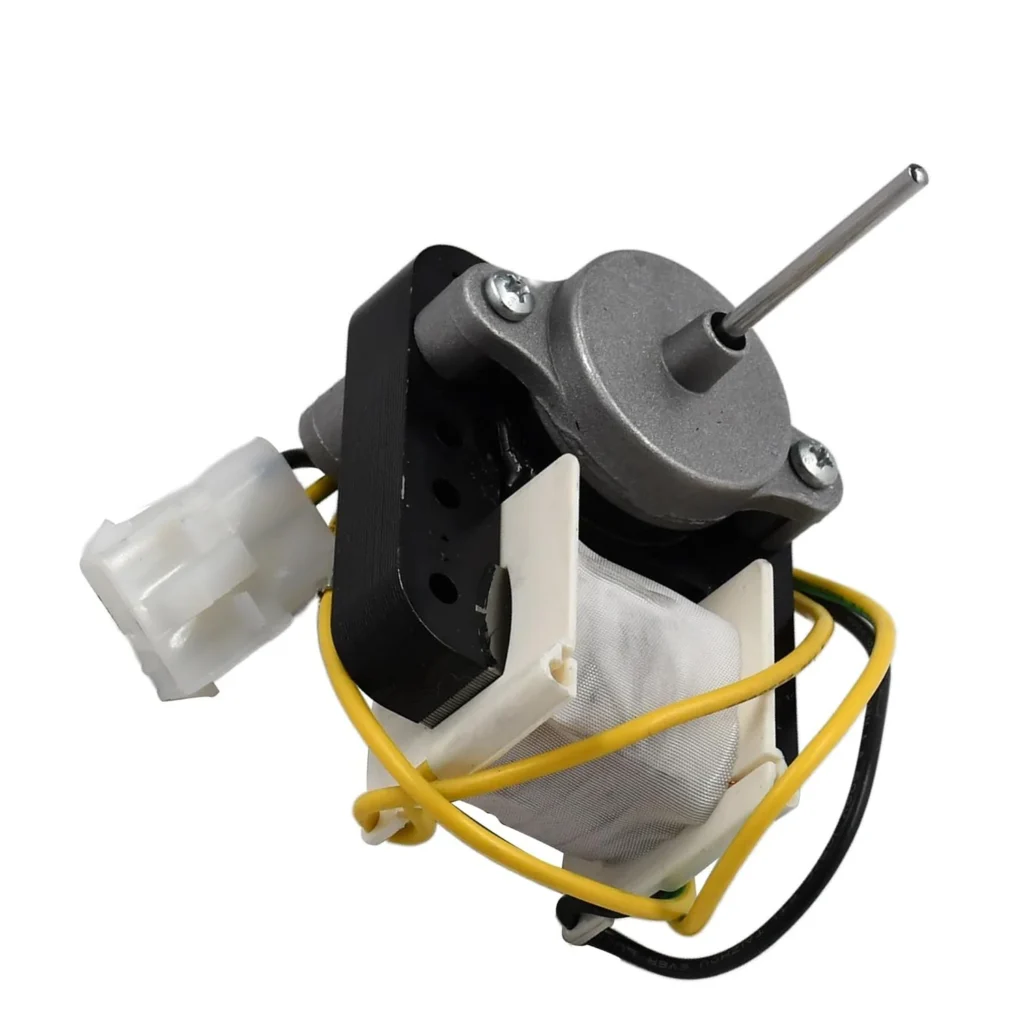
You open your GE side-by-side at 7 AM and notice the milk feels lukewarm. The freezer's not much better — ice cream has that soft texture it definitely shouldn't have. Then you hear it: a rhythmic clicking from behind the fridge, like something's trying to start but can't quite get there.
This combo — warm compartments plus clicking or unusual noise — points straight to your condenser fan motor. It's the unsung hero that pulls air across the condenser coils to release heat. When it fails, your compressor works overtime but can't keep up, and temperatures creep into the danger zone.
Here's how to diagnose which component actually failed and whether you're looking at a $40 fan motor or something more expensive.
Quick Symptom Check
Your GE refrigerator is telling you something's wrong. Check which symptoms match:
- Both compartments warming up — fridge and freezer temperatures rising together
- Clicking sound from the back — rhythmic or intermittent clicking near the compressor area
- Fridge runs constantly — compressor never cycles off but temps still climb
- Excessive noise — grinding, squealing, or buzzing from the bottom rear
- Won't start at all — complete silence or just a hum with no airflow
If you've got warming plus noise, you're almost certainly dealing with the condenser fan system. Let's break down the specific causes.
Cause #1: Failed Condenser Fan Motor (65% of Cases)
The condenser fan motor (part WR60X10220 for models like BSS25GFPCWW, HSS25GFPBWW, and hundreds of other GE side-by-sides) sits right next to your compressor. Its job is simple: blow air across the condenser coils so heat can escape. When it dies, heat builds up and your compressor can't do its job effectively.
How to diagnose:
- Unplug the fridge and pull it away from the wall
- Remove the lower back panel (usually 4-6 screws)
- Locate the fan next to the compressor — it's about 3 inches in diameter
- Try spinning the blade by hand. Does it spin freely or feel gritty and stuck?
- If it's stuck or makes grinding sounds when you spin it, the motor bearings have failed
- Plug the fridge back in briefly and listen — if you hear clicking but no fan movement, the motor's getting power but can't start
Why it happens: Dust buildup on the coils makes the motor work harder. Over 8-12 years, bearings wear out or the windings overheat. This part runs every time your compressor does, so it racks up serious hours.
The fix: Replace the condenser fan motor. The WR60X10220 is a direct replacement that works across GE, Hotpoint, and RCA models. Cost runs about $41, and it's a 20-minute job with a screwdriver. No need to recover refrigerant or mess with sealed systems.
Cause #2: Debris Jamming the Fan Blade (15% of Cases)
Sometimes the motor's fine but something's blocking the blade. Pet hair wraps around the shaft, a piece of the plastic fan housing breaks off, or years of dust cake onto the blades and throw them off balance.
How to diagnose:
- With the fridge unplugged and back panel off, inspect the fan blade closely
- Look for hair wrapped around the center shaft
- Check for cracks in the plastic blades themselves
- Feel for wobble when you spin it — should be smooth and balanced
If the motor hums but the blade doesn't turn, you've found your culprit. Even a small amount of debris can stop a motor that's already struggling.
The fix: Clean thoroughly around the motor shaft and blade. If the blade itself is cracked or warped, you can often buy just the blade for $8-12. But at that point, replacing the whole motor assembly makes more sense — you're already in there, and the motor probably has wear anyway.
Cause #3: Bad Start Relay (10% of Cases)
The start relay sits on the side of the compressor and helps kick it into gear. When it fails, you get that distinctive clicking — the relay trying to start, failing, trying again every few seconds.
Here's the tricky part: a bad relay can sound like a fan issue because the clicking comes from the same area. But the actual symptom differs slightly.
How to tell the difference:
- Bad relay: clicking is very regular, every 3-5 seconds, and comes from the compressor body itself
- Bad fan motor: clicking might be irregular, and if you put your hand near the fan area you'll feel zero airflow
- Bad relay: compressor feels cool to the touch because it's not running
- Bad fan: compressor feels hot because it's running constantly without proper cooling
Pull the relay off the compressor (it's a small plastic box that slides onto pins). Shake it. If you hear rattling inside, the internal contacts have broken loose. That's your problem.
The fix: Replace the start relay — runs $15-25. Takes five minutes. But if your condenser fan also isn't spinning, you've got both problems. Fix the fan first, then see if the clicking stops.
Cause #4: Condenser Coils Completely Blocked (7% of Cases)
Even with a working fan, if your condenser coils look like a felt blanket of dust and pet hair, airflow drops to nearly nothing. The fan spins but can't pull air through the clog.
You'll see warm temps but the noise might just be the compressor running non-stop, working harder and harder. No clicking — just constant humming and heat.
How to diagnose: Look at the coils (the black grid behind the fan). Can you see through them? If they're packed solid with dust, that's restricting airflow as much as a dead fan would.
The fix: Vacuum the coils with a brush attachment. For serious buildup, use a coil cleaning brush (looks like a long skinny bottle brush). Do this every 6-12 months and you'll extend the life of both the fan motor and compressor by years.
Cause #5: Faulty Temperature Control Thermostat (3% of Cases)
Rarely, the issue isn't the fan at all — it's the thermostat failing to signal the fan and compressor to run. You'll have warming temps but the fan won't kick on because the control board doesn't know it needs to.
How to diagnose: Turn your temperature dial to the coldest setting. Does the compressor start immediately? If nothing changes — no compressor sound, no fan activity — the thermostat might not be sending the signal.
Test with a multimeter: disconnect the thermostat wires and check for continuity when set to coldest. No continuity means it's failed open.
The fix: Replace the thermostat. But honestly, if you're getting clicking sounds, this isn't your issue. Thermostats fail silently — no noise, just no cooling.
When to Call a Pro
Replacing a condenser fan motor is straightforward — you're working on external components, no refrigerant involved, just unplug and swap parts. But call a tech if:
- The compressor itself is clicking and extremely hot to touch (might indicate compressor failure, not just the relay)
- You smell burning plastic or see scorch marks near electrical connections
- The fridge is still under warranty — parts and labor should be covered
- You're not comfortable working around electrical components, even with the unit unplugged
A service call runs $150-250 depending on your area. The fan motor itself is $41. If the diagnosis is condenser fan failure and you're moderately handy, this is one repair that makes sense to DIY.
Frequently Asked Questions
How long does a GE condenser fan motor typically last?
Expect 10-15 years in normal conditions. If you have pets or your fridge is in a dusty garage, that drops to 8-10 years. The motor runs whenever the compressor does, so it's logging serious runtime. Models from 2005-2010 seem to fail around the 12-year mark based on parts sales patterns — so if your GE side-by-side is from that era and you're hearing clicking, the fan motor is the likely culprit.
Can I run my refrigerator if the condenser fan isn't working?
Not for long. Without the fan, your compressor overheats and works constantly trying to maintain temperature. You'll use 40-50% more electricity, temps will still climb into unsafe ranges, and you risk burning out the compressor itself — that's a $600-800 repair versus a $41 fan motor. If you've diagnosed a bad fan, order the part and unplug the fridge until it arrives. Moving your perishables to a cooler with ice for a day costs way less than a new compressor.
Why does my GE fridge click but the fan blade spins fine by hand?
The motor shaft might spin when pushed manually but lacks the power to start under its own electrical load. This happens when motor windings develop high resistance or the starting capacitor (built into some fan motors) weakens. You'll hear the clicking of the relay trying to supply power, but the motor can't convert that power into motion. The solution is the same: replace the motor assembly. Don't waste time trying to repair the windings — a new motor costs less than an hour of diagnostic time.
Diagnosed the problem?
WR60X10220 · In Stock · Fast shipping