
LG Washer Leaking & Making Grinding Noise — 3 Causes & How to Fix
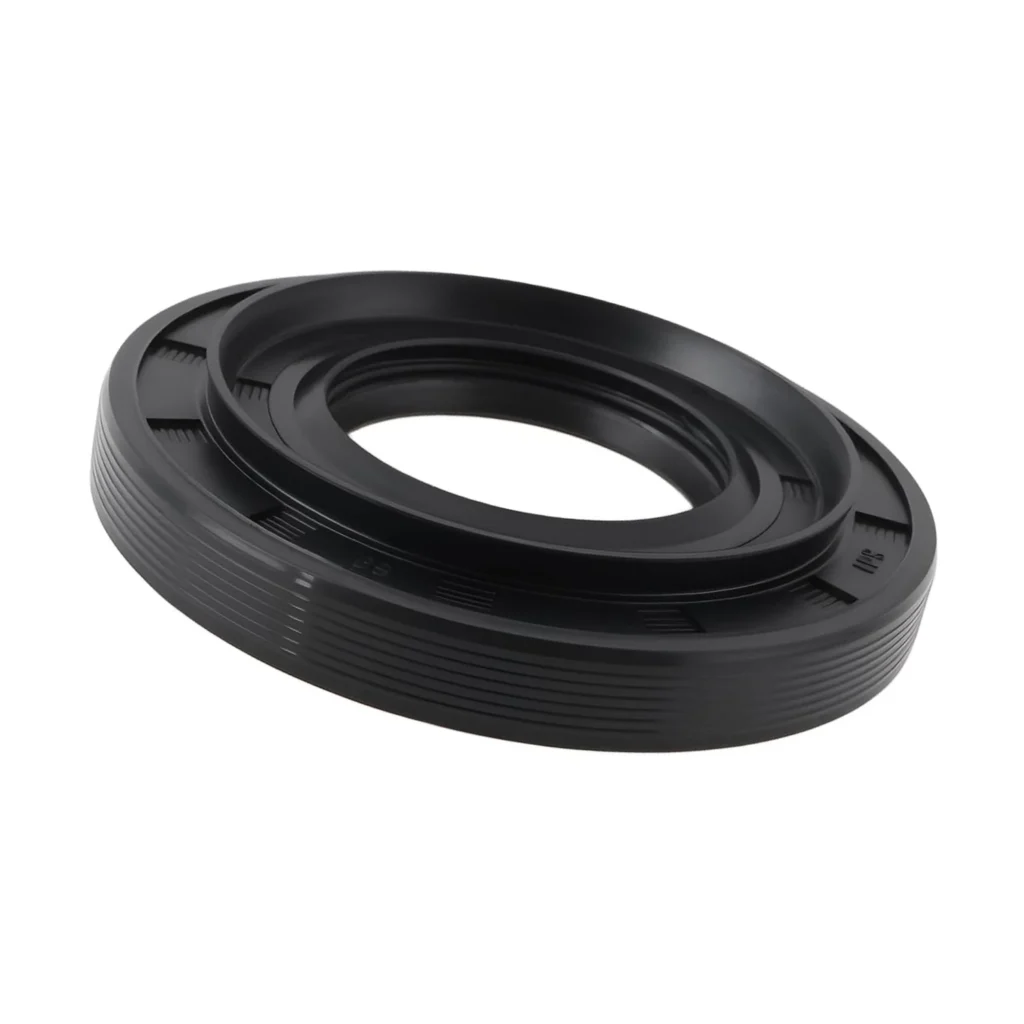
You're running a load of laundry when you hear it — that awful grinding, almost metal-on-metal sound during the spin cycle. Then you spot water pooling under your LG front-loader. One user with a WM3885HCCA described it perfectly: "I searched the repair help tab, typed in my model number, watched videos and realized my rear tub gasket and bearings were shot." If you're hearing bearing noise and seeing leaks, your rear tub gasket has likely failed, and water's been slowly destroying your drum bearings.
Quick Symptom Check
- Water leaking during wash or spin cycles — often from underneath or back of machine
- Loud grinding or rumbling noise during spin — gets worse with heavier loads
- Rust-colored water or stains — sign that bearings are corroding
- Drum wobbles excessively — more than normal during high-speed spin
- Squealing or screeching sounds — especially when drum rotates by hand when empty
Cause #1: Failed Rear Tub Gasket (Most Common — 75% of Cases)
The rear tub gasket (part MDS62058301) seals the gap between the outer tub and the inner drum shaft. When this rubber seal deteriorates, water leaks past it and directly attacks the inner bearing. Here's what happens: detergent-laden water seeps through, the bearing starts rusting, and within weeks you've got that signature grinding noise.
How to diagnose: Unplug the machine and tip it back against a wall. Remove the rear access panel. Look for water stains, rust streaks, or mineral deposits around the bearing housing. If you spin the drum by hand and feel resistance or hear grinding, the bearing's already compromised.
Affected models: WM3150HVC, WM3170CW, WM3370HRA, WM3400CW, WM3485HWA, WM3500CW, WM3550HVCA, WM3570HVA, WM3670HRA, WM3700HVA, WM3770HWA, WM3875HVCA — basically most LG front-loaders from 2010-2018.
The fix: This isn't a Saturday afternoon job. You'll need to disassemble the entire tub, punch out the old bearings, and install new ones along with the gasket. One tech who tackled this warned: "The shaft was VERY difficult to free from the bearings... took heat, penetrating oil, and a sledgehammer. Be ready for that to take a while and to have to hit the shaft a LOT harder than you think you should." Plan for 2-3 hours minimum.
Parts needed: MDS62058301 rear tub gasket ($40.99), bearing set (usually sold separately), and potentially new spider arm bolts if yours are corroded.
Cause #2: Worn Drum Bearings (Usually Secondary to Gasket Failure)
The bearings themselves don't just fail randomly — they fail because water got to them. But once they're compromised, they create their own problems. The seal can become compromised, allowing water to reach and rust the inner bearing, leading to noise and leakage. It's a vicious cycle.
How to diagnose: With the machine unplugged, manually rotate the drum. Smooth, quiet rotation? Bearings are probably fine. Rough, gritty feeling with metallic sounds? They're toast. You can also check for excessive play — grab the drum at 12 and 6 o'clock and rock it. More than 1/4 inch of movement means bearing failure.
Why it happens together: You can't really replace one without the other. If water damaged the gasket enough to leak, it's already damaged the bearings. As one repair tech noted: "I removed the barrel from the inside of the washer, removed the tub, then punched out the bearings and replaced them with the ones that were sent which by the way I received within a couple of days."
Cost estimate: $45-$85 for bearing sets, plus the $40.99 for the gasket. Total DIY repair: $85-$125 in parts.
Cause #3: Spider Arm Corrosion (Check While You're In There)
The spider arm connects the drum to the shaft. On LG washers, these are notorious for corroding from the inside out. If you're already tearing down the tub to replace the gasket and bearings, inspect the spider arm carefully.
How to diagnose: Once you've separated the tub halves and removed the drum, examine the aluminum spider arm for cracks, white powdery corrosion, or chunks missing from the arms. Sometimes it looks fine from the outside but is rotted on the bearing side.
The reality: If the spider arm is bad, you're looking at either a $200+ part or considering whether the washer's worth fixing. Many techs recommend replacement at this point if the machine is over 8 years old.
Special Installation Notes (From Techs Who've Been There)
- Label everything: Put hardware in plastic bags marked with location and sequence. You'll have 40+ screws and bolts by the end.
- Stubborn shaft removal: Heat the bearing housing with a heat gun for 5 minutes, soak with PB Blaster, then use a brass punch and hammer. Don't be gentle — one tech needed a sledgehammer.
- Hidden screws: Some machines have extra screws securing components. If something won't come apart, look for hidden fasteners.
- Tub reassembly trick: Tilt the tub level with the floor when reattaching hoses. Makes lining everything up much easier.
Tools You'll Actually Need
Don't start this job without: socket set (10mm-15mm), adjustable wrench, regular and needle-nose pliers, Phillips and flathead screwdrivers, rubber mallet, brass punch set, penetrating oil, heat gun or propane torch, and a helper for lifting the drum assembly (it weighs 60+ pounds).
When to Call a Pro
Be honest about your skill level. This repair requires complete disassembly of the washer tub — it's the most complex repair you can do on a front-loader. If you've never done appliance repair before, a professional will charge $350-$500 but will finish in half the time and guarantee their work.
Also consider the machine's age. If your LG is 10+ years old and the spider arm is corroded, you might be $200 in parts from needing a new washer anyway. Sometimes the smart move is applying that repair money toward a new machine.
Frequently Asked Questions
Can I just replace the gasket without doing the bearings?
Technically yes, but it's a terrible idea. If water leaked past the gasket long enough to cause symptoms, your bearings are already contaminated. You'll be back in there within 6 months. Do both at once — you're already doing 90% of the labor anyway.
How long do LG rear tub gaskets typically last?
In normal conditions, 8-12 years. But using too much detergent, overloading the machine, or hard water can cut that in half. Once you hear grinding noise, the damage is already done — catch leaks early and you might save the bearings.
Is the MDS62058301 gasket compatible with Kenmore washers?
Yes, many Kenmore front-loaders are rebadged LG machines. Check your model number against the compatibility list — this gasket fits dozens of LG-manufactured models sold under both brands. The part numbers AP5202013, PS3535219, and AH3535219 all cross-reference to the same gasket.
Diagnosed the problem?
MDS62058301 · In Stock · Fast shipping