
LG Washer Won't Drain or Spin — 5 Causes & How to Fix
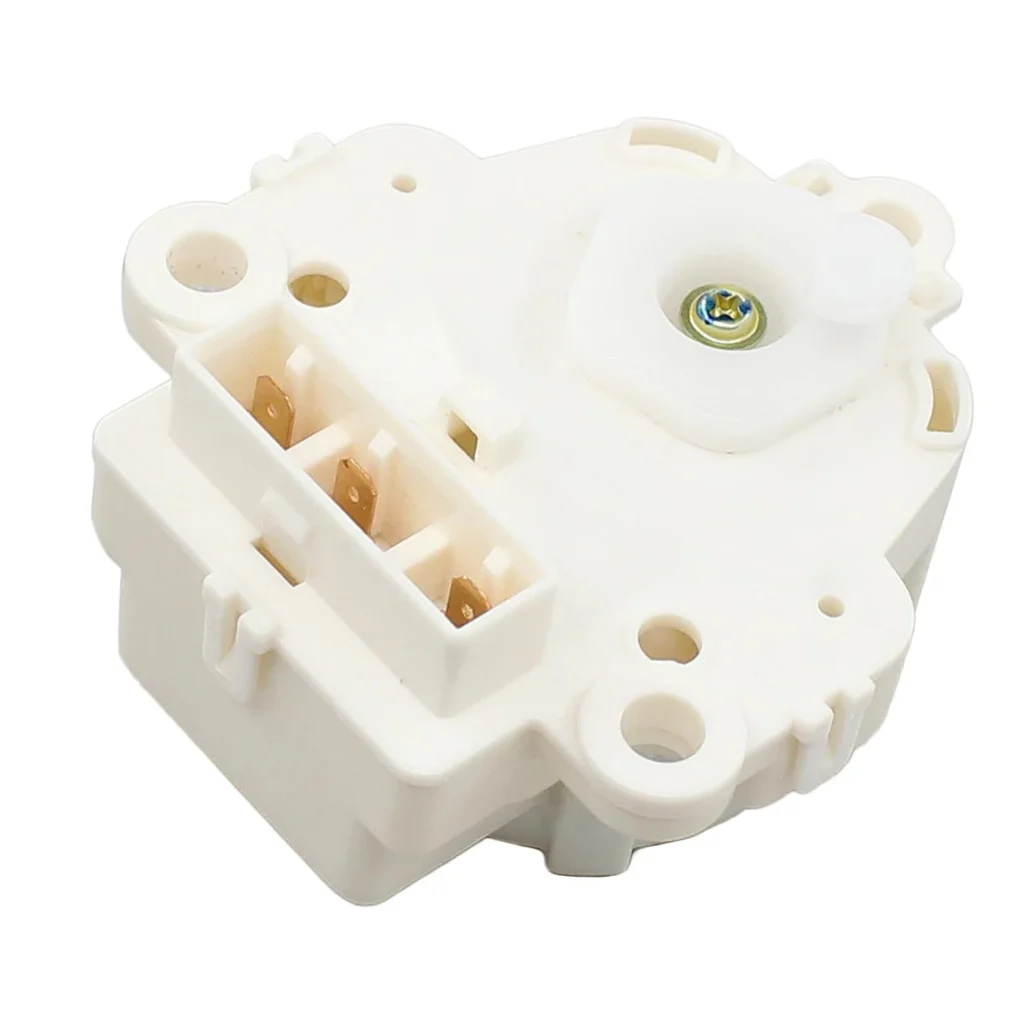
You just opened your LG washer to move the load to the dryer, but the clothes are soaking wet and sitting in standing water. The cycle finished, the machine beeped, but nothing actually drained or spun. This is one of the most frustrating washer problems because you're stuck with a drum full of water and nowhere for it to go.
The good news? About 70% of LG top-load washers that won't drain or spin have issues with the diverter clutch motor assembly — the part that shifts water flow between agitation and drainage. Models like the WT5270CW, WT1501CW, WT1701CV, and dozens of other LG top-loaders from 2010-2015 are particularly prone to this failure.
Let's walk through the five most common causes, starting with the most likely culprit.
Quick Symptom Check
Before you start diagnosing, see if your washer matches these patterns:
- Clothes soaking wet at end of cycle — drum didn't spin at all
- Standing water in tub — drain cycle never started
- Washer agitates but won't drain — water movement during wash, but no drainage
- Cycle completes but no spin — timer advances normally, but drum stays still
- Humming or buzzing during drain cycle — motor tries to engage but can't
- Error code OE or dE — drain error on display panel
If you've got two or more of these symptoms, you're likely dealing with a drainage system problem, not a control board issue.
Cause #1: Failed Diverter Clutch Motor (Probability: 70%)
This is the part that actually redirects water from recirculation during the wash cycle to drainage during the spin cycle. When the diverter clutch motor fails, water has nowhere to go — the washer thinks it's still in wash mode even when the drain cycle starts.
What causes it to fail: These motors have a plastic gear assembly that wears down over time, particularly if you run heavy loads or use high-efficiency detergent incorrectly. After 5-7 years of regular use, the gears strip and the motor can't rotate the diverter valve anymore.
How to diagnose it:
- Unplug the washer and pull it away from the wall
- Remove the back panel (usually 4-6 screws along the edges)
- Locate the diverter motor on the right side of the drain pump assembly
- Look for the wire harness connector — disconnect it and test with a multimeter
- Set your meter to resistance (Ohms) and probe the motor terminals
- You should see 50-100 ohms of resistance
- If it reads infinite resistance (OL), the motor's coil is dead
- Even if it tests OK electrically, the internal gears might be stripped — listen for grinding when the drain cycle starts
The fix: Replace the diverter clutch motor with part number 4681EA1009H (replaces 4681EA1009C and 4681EA1009K). It's a direct plug-in replacement. You'll disconnect two wire harnesses, remove two mounting clips, and pop the new one into place. Takes about 20 minutes if you've got the back panel already off.
Cost: Motor runs $35-$55 depending on supplier.
Cause #2: Clogged Drain Pump or Filter (Probability: 15%)
LG top-loaders have a drain pump filter that catches coins, bobby pins, lint, and other debris. When it clogs, water can't exit even if the diverter motor is working perfectly.
How to check it:
- Locate the drain pump access panel at the bottom front of the washer (some models have it on the back)
- Place towels around the area — you'll get water spillage
- Twist the filter cap counterclockwise and slowly pull it out
- Inspect for lint buildup, small clothing items, or hard water deposits
- Shine a flashlight into the pump housing and look for obstructions
If you find a blockage, clean it out and reassemble. Run a drain/spin cycle to test. If it works, you just saved yourself $150.
Cause #3: Kinked or Clogged Drain Hose (Probability: 8%)
Sometimes the simplest explanation is the right one. If your washer was recently moved or pushed back against the wall, the drain hose might be kinked or crushed.
Quick check: Pull the washer forward and trace the drain hose from the pump to the standpipe. Look for sharp bends, kinks, or places where the hose might be pinched. The hose should have a gentle curve with no tight angles. Also disconnect the hose from the standpipe and blow through it — you should feel free airflow.
If it's kinked, reposition it. If it's clogged with detergent buildup or lint, run hot water through it or replace it entirely (standard 1-inch drainage hose works).
Cause #4: Faulty Drain Pump Motor (Probability: 5%)
The drain pump itself can fail, though it's less common than the diverter motor. You'll typically hear this failure — the pump will buzz or hum loudly during the drain cycle but won't actually move water.
Testing procedure:
- Access the drain pump from the back panel or bottom access
- Disconnect the wire harness
- Use a multimeter to test resistance across the pump terminals
- Should read 5-10 ohms
- If it's open (infinite resistance), the pump motor is dead
Drain pumps for these LG models run about $25-$40. They're held in place by spring clips or a couple of screws, depending on your model year.
Cause #5: Lid Switch or Pressure Switch Malfunction (Probability: 2%)
LG washers have safety interlocks that prevent spinning if the lid isn't properly closed or if the water level sensor thinks there's still too much water in the tub. These don't fail often, but when they do, you get the exact same symptom — no spin.
Lid switch test: Open and close the lid firmly. You should hear a distinct click. If there's no click or the lid feels loose, the switch might be broken. Most models have the switch mounted under the top panel near the lid hinge.
Pressure switch test: This requires accessing the switch (usually on the control panel area) and either testing it with a multimeter or blowing gently into the air tube connected to it. You should hear clicking as the switch activates at different pressure levels.
When to Call a Pro
Here's my honest take: if you're comfortable disconnecting a wire harness and using a screwdriver, you can handle the diverter motor replacement yourself. It's not a complicated repair. But if you've tested the motor and it checks out fine, and you've ruled out the pump filter and drain hose, then you're looking at deeper diagnostic work.
Call a professional if:
- You've replaced the diverter motor and the problem persists
- The washer is making loud grinding noises from the transmission area
- You're seeing error codes beyond OE/dE (like LE, which indicates motor issues)
- Water drains but the tub won't spin at all — this suggests clutch or transmission problems
A service call typically runs $125-$175 for diagnosis, and if it's a transmission issue, you're looking at $300-$500 in parts and labor. At that point, seriously consider whether a 10-year-old washer is worth repairing versus replacing.
Frequently Asked Questions
How do I know if it's the diverter motor or the drain pump that's bad?
Listen during the drain cycle. If you hear a humming or buzzing sound but no water movement, that's usually the diverter motor trying to shift position but failing. If you hear absolutely nothing during the drain cycle — complete silence — that's more likely a control board issue or a blown fuse in the motor circuit. If you hear the pump running but water isn't draining, check for clogs in the pump housing or drain hose first.
Can I manually drain my LG washer if it's stuck full of water?
Yes. Locate the drain pump filter access panel at the bottom front of the machine. Place towels and a shallow pan underneath. Slowly twist the filter cap counterclockwise — water will start flowing out immediately, so go slow. It'll take 5-10 minutes to fully drain a full load. Once empty, you can open the lid and remove your clothes. Don't leave water sitting in the tub for days — it'll start smelling like mildew fast.
Will this problem fix itself, or do I need to replace the part?
It won't fix itself. Once the diverter motor gears strip or the motor coil burns out, it's done. You might get lucky and have the washer work for one more cycle if you unplug it for 30 minutes (sometimes lets the motor cool and reset), but that's temporary. The motor assembly is mechanical — worn gears don't magically repair themselves. Budget for the replacement part and plan the repair within a week or two before the problem gets worse.
Diagnosed the problem?
4681EA1009H · In Stock · Fast shipping