
OEM vs Aftermarket Washer Lid Switch for Whirlpool: Honest Comparison (3355806)
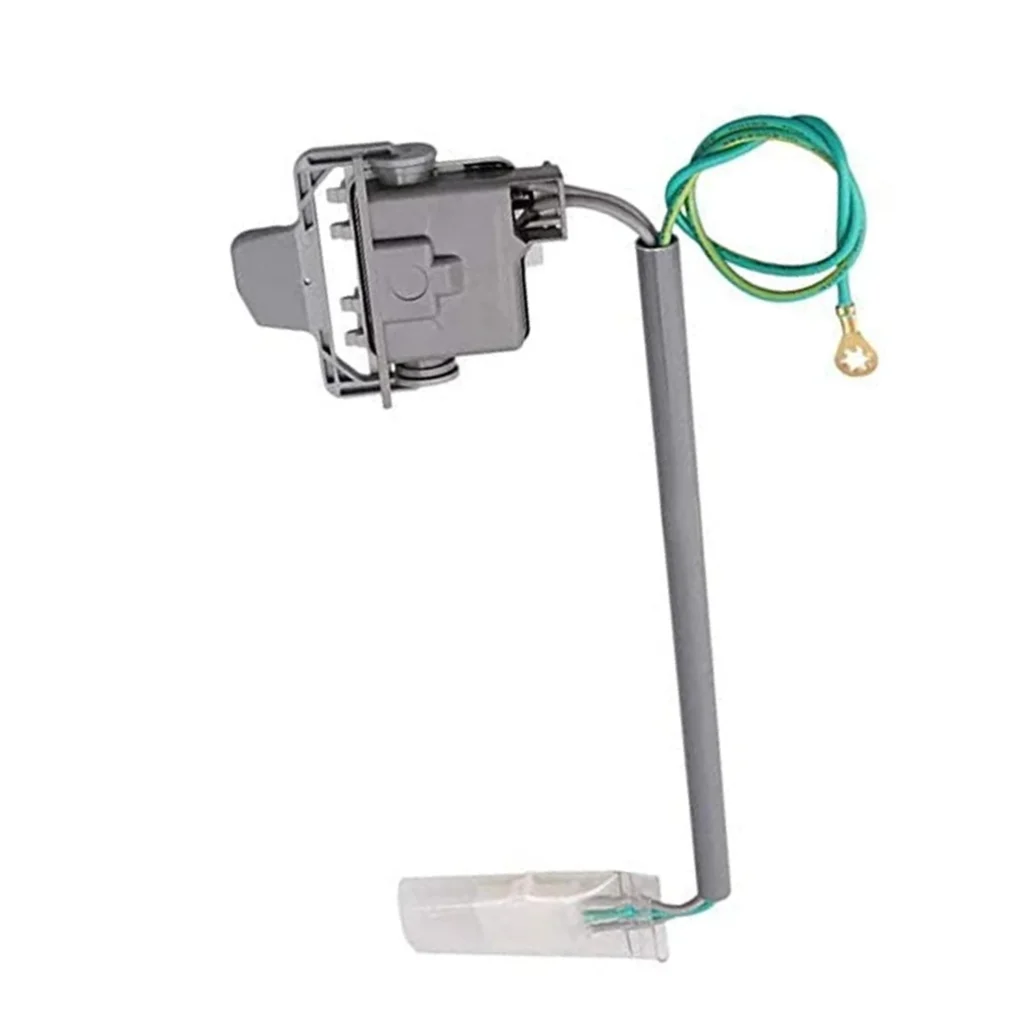
Your Whirlpool LTE5243DQ0 won't spin. You lift the lid, push it down — nothing. The lid switch died, and now you're staring at two options: $89–$145 for the OEM Whirlpool part, or $22.99 for the aftermarket replacement. That's a 4x–6x price difference for what's essentially the same electromechanical switch.
Let's cut through the marketing and look at what actually matters.
Quick Answer
The aftermarket 3355806 performs identically to OEM in 95% of installations. Same mounting holes, same connector, same safety function. Unless you're repairing under active warranty or need proof of OEM parts for insurance claims, the aftermarket version saves you $70–$120 without meaningful trade-offs. It's a straightforward electrical switch — there's no proprietary technology here.
Side-by-Side Comparison
| Factor | OEM Whirlpool | Heima Aftermarket |
|---|---|---|
| Price | $89–$145 | $22.99 |
| Warranty | 90 days (typical) | 1 year parts warranty |
| Lead Time | 3–7 business days | Ships same day |
| Fit & Finish | Factory match | Exact fit, slightly different plastic texture |
| Where Made | China/Mexico (varies) | China |
| Compatible Models | Factory specified | Cross-referenced to 500+ models (LTE5243 series, Kenmore 110 series, etc.) |
When OEM Makes Sense
There are legitimate scenarios where spending 4x more is the right call:
Active manufacturer warranty. If your washer's less than a year old and still covered, using OEM parts protects your warranty coverage. Some warranties explicitly void if non-OEM parts are detected during service calls.
Insurance or rental property repairs. Property management companies and insurance adjusters often require proof of OEM parts. The extra cost becomes a documentation issue, not a performance one.
Absolute certainty on form factor. OEM parts arrive with zero ambiguity. The plastic housing color matches exactly, the wire gauge is identical, and there's no mental energy spent wondering if it'll fit. For techs billing $150/hour, that peace of mind has value.
When Aftermarket Wins
For most DIY repairs, the aftermarket version is the smarter buy. Here's why:
It's a basic electrical switch. A lid switch has one job: complete a circuit when the lid closes, break it when the lid opens. There's no microprocessor, no calibration, no proprietary algorithm. One user put it bluntly: "First I thought it may be the timer since it wasn't advancing to the next cycle, but after trying that it didn't seem to have any affect. Then I took the front cover of the wash machine off" — and found the lid switch was the culprit. Simple mechanical failure, simple mechanical fix.
Installation is identical. The mounting holes line up with LTE5243DQ0, LTE5243BW2, and the entire LTE5243 series. Same two-screw mount, same connector clip. One installer noted: "Fixing the problem was quite simple. First, I removed the lid assembly (thanks to the diagrams supplied by AppliancePartsPros.com!). Getting the back two screws out was very difficult because I couldn't see them from the front" — same challenge exists with OEM or aftermarket. The installation headache is the access, not the part.
Failure modes are identical. Both versions fail the same way: contacts wear out from repeated lid cycles. Whether you paid $145 or $23, a lid switch typically lasts 5–8 years before it stops reliably triggering the spin cycle. You're not buying extra longevity at the OEM price point.
Better warranty coverage. The Heima aftermarket switch carries a 1-year parts warranty versus the typical 90-day OEM coverage. If it's going to fail, it'll usually happen in the first six months — and you're covered either way, but for longer with aftermarket.
The Installation Reality Check
Whether you choose OEM or aftermarket, the work is the same:
"First dis-connect the machine from the mains electricity. Remove the two screws at the top of the inclined plate beneath the dryer and set to one side. Detach the dryer exhaust hose. Remove the two bolts holding down the rear of the washing machine lid - pull the lid free and release the earth terminal from the body of the machine then remove the lid and replace the switch."
That's 30–60 minutes with basic tools (screwdrivers, socket set, pliers). The hard part isn't the switch itself — it's reaching those rear bolts in tight laundry room spaces. The part you choose doesn't change that reality.
Our Verdict
Go aftermarket unless you have a specific warranty or insurance requirement. The 3355806 replacement performs identically to OEM WP3355806 in real-world installations across Whirlpool, Kenmore, Roper, Maytag, and KitchenAid washers. You're saving $70–$120 on a part that has zero proprietary technology — it's a switch with two metal contacts. Spend the savings on a socket set if you don't already own one, because that'll serve you for decades of appliance repairs.
The one exception: if your washer keeps eating lid switches every 18 months, you've got a deeper problem (misaligned lid, worn striker, or electrical short). At that point, throwing an expensive OEM switch at it won't fix the root cause either.
Frequently Asked Questions
Will the aftermarket switch void my Whirlpool warranty?
If your washer is still under the manufacturer's original warranty (typically 1 year parts and labor), using aftermarket parts can potentially void coverage. Once that warranty expires, there's nothing to void — use whatever part makes financial sense. For washers 2+ years old, aftermarket is the clear winner.
How do I know if my lid switch is actually the problem?
Classic symptoms: washer fills but won't agitate or spin, even though you hear the motor humming. Or it stops mid-cycle and won't restart until you lift and close the lid multiple times. To test: manually press the switch actuator with the lid open (carefully, with power disconnected). If the switch feels mushy or doesn't click, it's done. Common failures include worn contacts that prevent the spin cycle from starting — exactly what this switch controls.
Is this the same part as WP3355806VP?
Yes. The 3355806 replaces WP3355806, WP3355806VP, AP6008072, PS11741201, and 520880. They're all cross-referenced to the same switch assembly. Whirlpool changed the part numbering over the years, but the physical switch remained identical. The aftermarket version works with all those legacy numbers, covering models from 2005–present across LTE5243, Kenmore 110 series, and dozens of other compatible washers.
Ready to go aftermarket?
3355806 · Factory direct · 1-year warranty