
LG Dryer Won't Start or Closes But Stops — Door Latch Failure Fix
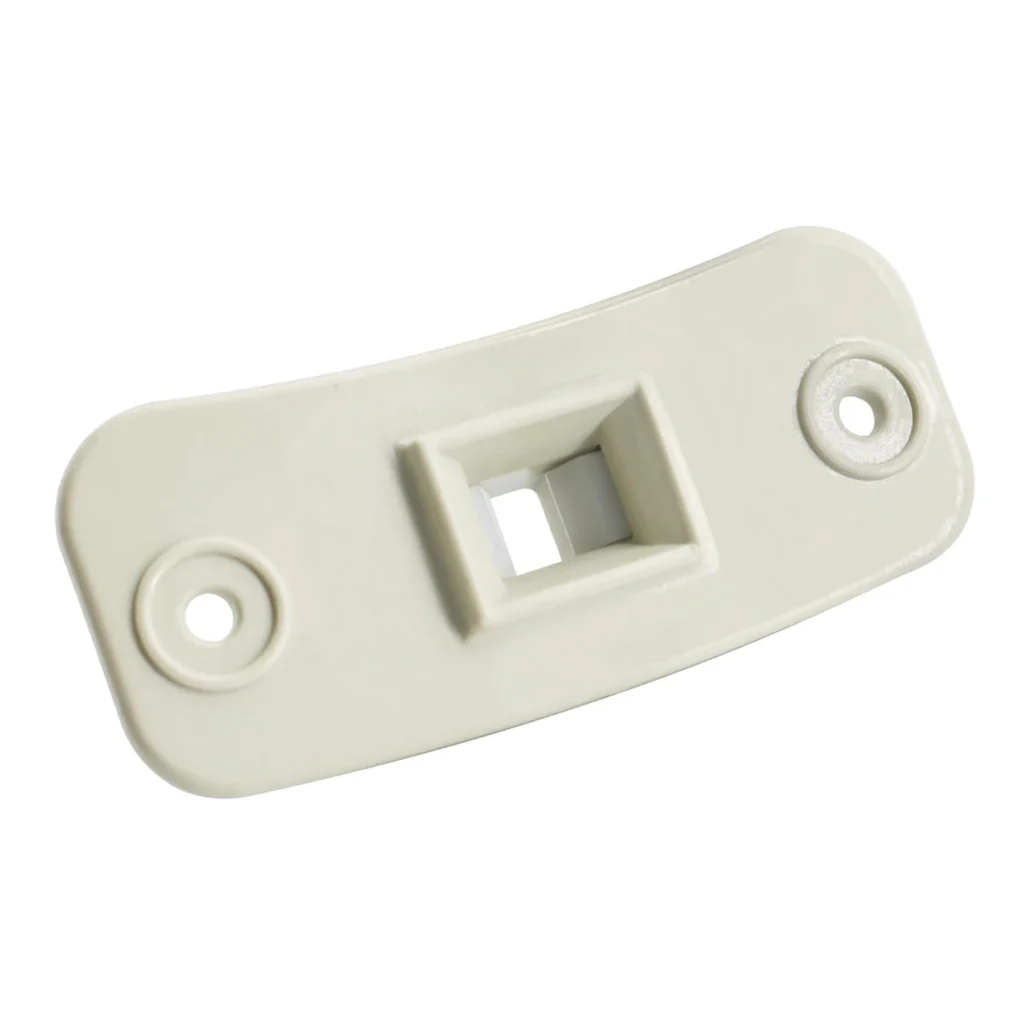
You load wet clothes, push the door shut, hit start—and nothing. The dryer sits silent. Or worse, it starts for three seconds then stops, beeping like something's wrong. Before you call a technician or start Googling "why won't my LG dryer run," check the door latch. This small plastic assembly (part number 4027EL1001A) fails more often than most owners realize, and it's one of the easiest dryer repairs you can tackle yourself.
The door latch does more than keep your dryer closed—it's a critical safety switch. When it breaks or wears out, your dryer thinks the door is open even when it's firmly shut. The result? No heat, no tumbling, no drying. This affects dozens of LG and Kenmore models including the DLE0332W, DLE2512W, DLE5977W, DLEX2501W, DLEX3370W, and many others.
Quick Symptom Check: Is Your Door Latch Failing?
Check off any symptoms you're experiencing:
- Dryer won't start when you press the button — lights may come on, but drum doesn't turn
- Dryer starts then immediately stops — runs for 2-5 seconds then shuts off
- Door doesn't click when you close it — feels loose or doesn't catch properly
- Door pops open during cycle — especially during vigorous tumbling
- Error code on display — some models show door-related error codes
- You have to push hard or slam the door — worn latch requires extra force to engage
If you checked two or more, your door latch assembly is likely the culprit. Let's walk through the most common causes, from most to least likely.
Cause #1: Worn or Broken Plastic Latch Mechanism (70% of Cases)
What happens: The 4027EL1001A assembly contains a spring-loaded plastic hook that catches the door striker. After years of use—typically 5-8 years—this plastic wears down, cracks, or breaks completely. The hook no longer extends far enough to engage the striker plate, or the spring loses tension.
How to diagnose: Open your dryer door and look at the latch assembly on the door itself (not the frame). Manually press the hook mechanism. Does it spring back firmly? Does it extend fully? If it feels weak, doesn't return quickly, or you see visible cracks in the white plastic housing, it's failed.
Try this test: Close the door slowly while watching the latch. You should hear and feel a distinct "click." If there's no click, or the door bounces back open, the latch isn't catching.
The fix: Replace the entire door latch assembly. This isn't a repair—the plastic components can't be fixed once worn. The good news? It's a straightforward 15-minute job with just a Phillips screwdriver.
Cause #2: Broken Door Strike Plate on Frame (20% of Cases)
What happens: The strike plate—the metal piece mounted on the dryer frame that the door latch hooks into—can bend, loosen, or break. This is especially common if someone's accidentally yanked the door open while it was latched, or if the screws holding the strike plate have loosened over time.
How to diagnose: Look at the dryer opening where the door closes. Find the metal strike plate (usually on the top or side of the opening). Is it bent? Are the mounting screws loose? Try wiggling it—it should be completely solid.
Close the door and observe the alignment between the latch hook and strike plate. If they don't line up properly, the strike plate may have shifted position.
The fix: If screws are loose, tighten them. If the plate is bent slightly, you can sometimes carefully bend it back with pliers. If it's cracked or severely damaged, you'll need to replace both the strike plate and the latch assembly for proper alignment.
Cause #3: Misaligned Door Hinges (8% of Cases)
What happens: If your dryer has been moved recently or the hinges have loosened, the entire door may be misaligned. Even a quarter-inch shift can prevent the latch from properly engaging the strike plate.
How to diagnose: Close the door and look at the gap between the door and dryer body. Is it even all the way around? Check the top, bottom, and sides. Uneven gaps indicate hinge problems.
Open the door fully and check the hinge screws—both where they attach to the door and where they mount to the dryer body. Loose screws here cause alignment issues.
The fix: Tighten all hinge screws. If the alignment is still off, you may need to loosen the screws slightly, reposition the door, then retighten while someone holds it in the correct position.
Cause #4: Faulty Door Switch (2% of Cases)
What happens: Behind the latch assembly is an electrical switch that tells the control board the door is closed. Even with a working latch, a failed switch means the dryer won't start. This is rare but possible.
How to diagnose: You'll need a multimeter for this. The switch is integrated into the 4027EL1001A assembly. With the door open, you should measure infinite resistance across the switch terminals. When you manually press the latch closed, resistance should drop to near zero (continuity).
If you don't have a multimeter, here's a practical test: If the door closes and clicks firmly but the dryer still won't start, and you've ruled out other issues (power, control panel problems), the switch is likely bad.
The fix: The switch isn't sold separately—you need to replace the entire 4027EL1001A door latch assembly.
How to Replace the Door Latch Assembly
Once you've confirmed the latch is the problem, replacement takes about 15 minutes. Here's what you'll do:
- Unplug the dryer — always disconnect power before working on appliances
- Open the door fully — you'll be working on the inside edge of the door
- Remove the old latch — typically 2-3 Phillips screws hold it in place
- Disconnect the wire harness — note the wire positions before unplugging
- Install the new 4027EL1001A assembly — connect wires first, then secure with screws
- Test the mechanism — manually press the latch to ensure it springs back properly
- Close the door and test — you should hear a firm click
- Run a test cycle — start the dryer empty to verify it operates normally
The 4027EL1001A replaces original LG part numbers AP4437430, PS3522843, 1266807, AH3522843, and EA3522843. It works across dozens of LG and Kenmore dryer models including DLE-series, DLEX-series, and many others.
When to Call a Professional
This repair is genuinely DIY-friendly. If you can use a screwdriver and follow basic instructions, you can handle it. However, call a pro if:
- The door latch looks fine but the dryer still won't start (could be control board issues)
- You're uncomfortable working with wire connections
- The dryer frame or door is damaged beyond just the latch
- You've replaced the latch but problems persist
A service call typically costs $150-$250 including the part. Doing it yourself costs just $27.99 for the latch assembly.
Frequently Asked Questions
How long does an LG dryer door latch typically last?
Most door latches last 6-10 years depending on usage. If you run multiple loads daily, expect the lower end. The plastic components simply wear out from repeated use—it's not a defect, just normal wear and tear.
Will any door latch work on my LG dryer?
No, you need the correct part number. The 4027EL1001A fits specific LG and Kenmore models. Check your model number against the compatibility list. Installing the wrong latch can cause alignment issues or won't connect to your dryer's wiring.
My dryer door closes but won't stay latched during the cycle—is this the same problem?
Yes, this is typically a worn latch hook. The mechanism engages initially but doesn't hold under the vibration of the spinning drum. Replace the latch assembly—trying to "make it work" by slamming the door harder will only damage the strike plate too.
Diagnosed the problem?
4027EL1001A · In Stock · Fast shipping