
Whirlpool Dishwasher Wash Arm Not Spinning — 5 Causes & How to Fix
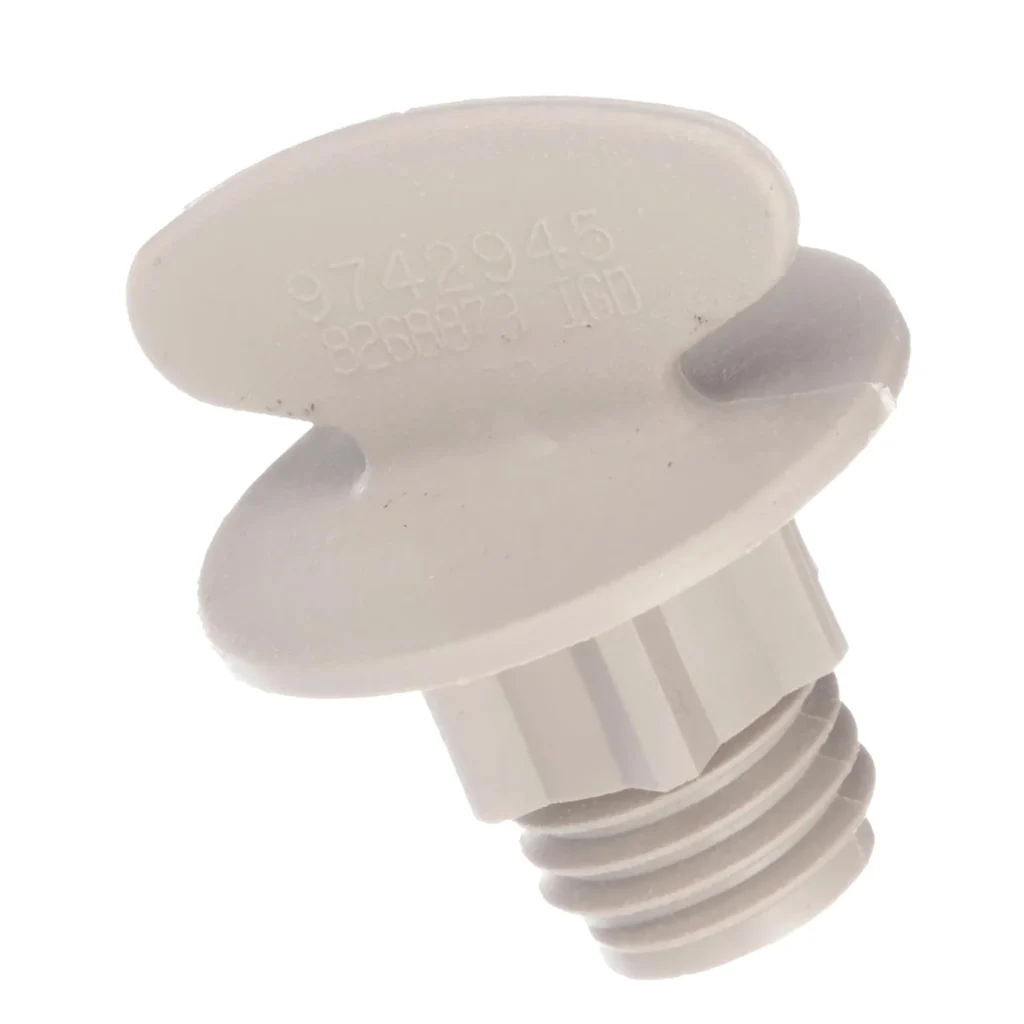
You load the dishwasher, hit start, and everything sounds normal. But when you open it an hour later, there's still crusty food on your plates. Run your finger along the bottom wash arm — it should spin freely. If it's stuck, wobbly, or the retainer nut in the center is loose or missing, you've found your problem.
The wash arm retainer nut (part 9742945) is the small threaded fastener that holds your lower spray arm in place. When it loosens, strips, or breaks, water pressure can't spin the arm properly. Your dishes sit in still water instead of getting blasted clean.
Quick Symptom Check
Before diving into repairs, check for these telltale signs:
- Dishes on bottom rack still dirty — especially in the back corners where the spray pattern should reach
- Wash arm spins loosely or wobbles — you can lift it up more than 1/8 inch
- Rattling or clicking noise during wash cycle — the arm is hitting the tub bottom or filter assembly
- Visible cracks around the center hub — plastic retainer nut shows stress fractures
- Water pooling under the spray arm — seal isn't tight because the nut is loose
Cause #1: Stripped or Cross-Threaded Retainer Nut (65% of Cases)
The plastic threads on the retainer nut wear down over time, especially if someone overtightened it during a previous repair. Once stripped, it can't hold the wash arm securely.
How to diagnose: Turn off the dishwasher. Remove the bottom rack. Try to tighten the center nut by hand — if it spins freely without gripping, the threads are gone. You'll also notice the wash arm lifts up easily when you pull on it.
The fix: Replace the retainer nut (9742945). This takes about 10 minutes. Simply unscrew the old nut (it might just lift off if fully stripped), remove the wash arm, clean any debris from the spray arm mounting hub, then install the new nut. Hand-tighten only — don't use pliers or you'll strip the new one too.
Cost: $14.99 for the OEM part, plus your time.
Cause #2: Impact Damage from Large Dishes (20% of Cases)
Ever heard a loud crash mid-cycle? A tall pot or pan shifted and smacked the spinning wash arm. The impact can crack the plastic retainer nut even if you don't see obvious damage right away.
How to diagnose: Pull out the lower rack and inspect the retainer nut with good lighting. Look for hairline cracks radiating from the center hole or around the outer edges. Press on the nut — if it flexes or feels brittle, it's compromised.
The fix: Replace the retainer nut. Even small cracks will worsen with water pressure and temperature cycling. While you're in there, check the wash arm itself for cracks — part numbers vary by model, but most Whirlpool lower arms run $15–$30.
Prevention tip: Load large items on the sides, not directly over the spray arm. Check that nothing hangs down through the rack slots before starting a cycle.
Cause #3: Debris Preventing Proper Thread Engagement (10% of Cases)
Food particles, hard water deposits, or small pieces of broken glass can lodge in the threads of the mounting hub. The retainer nut appears tight but isn't actually gripping the threads.
How to diagnose: Remove the retainer nut completely. Look inside the threaded hub on the pump housing — shine a flashlight in there. If you see gunk, mineral buildup, or debris, that's your culprit.
The fix: Clean the mounting hub thoroughly with an old toothbrush and white vinegar. For stubborn mineral deposits, soak a paper towel in vinegar and wrap it around the hub for 15 minutes. Rinse well. Try reinstalling the old nut first — if the threads were just blocked, it might work fine now. If not, replace with part 9742945.
Cause #4: Wrong Part Installed Previously (3% of Cases)
Not all dishwasher retainer nuts look identical. Some have finer threads, different diameters, or varying heights. If someone installed a "close enough" part during a past repair, it won't hold securely.
How to diagnose: Compare your current nut to photos of OEM part 9742945. Check the thread pitch — OEM has approximately 12 threads per inch. If your nut looks noticeably different or came from a generic "universal" kit, that's the problem.
The fix: Order the correct OEM part (9742945). It's compatible with Whirlpool models DU925SCGB0, DU925SCGQ2, DU1000CGQ1, and dozens of other Whirlpool, KitchenAid, Kenmore, and Maytag dishwashers. Verify your model number before ordering — it's on the door frame when you open the dishwasher.
Cause #5: Worn Spray Arm Mounting Hub (2% of Cases)
In older dishwashers (10+ years), the plastic threads on the pump housing itself can wear down. A new retainer nut won't help if there's nothing for it to grip.
How to diagnose: With the retainer nut removed, inspect the threaded post on the pump housing. Run your finger around the threads — they should feel sharp and defined. If they're rounded, smooth, or partially missing, the hub is worn.
The fix: This requires replacing the entire wash arm mounting hub assembly, which is part of the pump housing. It's a bigger job involving removing the dishwasher's lower panel and possibly the circulation pump. Cost ranges from $60–$150 in parts plus 1–2 hours of labor if you DIY. At this point, consider the age of your dishwasher — if it's 12+ years old with other issues, replacement might make more sense.
When to Call a Pro
Replacing the retainer nut is straightforward for most DIYers. Call a technician if:
- The mounting hub threads are damaged (requires pump housing work)
- You've replaced the nut but the wash arm still doesn't spin and water flow seems weak (could be a clogged pump or blocked spray arm holes)
- You're uncomfortable working near the bottom of the tub where sharp metal edges are common
- Your dishwasher is still under warranty
Labor for a pro to replace just the retainer nut runs $100–$150 including the service call. Definitely worth DIYing this one if you're comfortable with basic repairs.
Frequently Asked Questions
Can I use a metal retainer nut instead of plastic?
No. The OEM part is plastic for a reason — it won't corrode in the harsh dishwasher environment and it's designed to break away under extreme pressure rather than damage the pump. Metal nuts can seize, rust, and cause more expensive problems down the line.
Why does my retainer nut keep loosening every few months?
You're likely overtightening it. Plastic threads only need to be snug — about the same pressure as closing a jar of mayonnaise. If you crank it down hard, you deform the threads and they lose grip. Also check that the wash arm itself isn't cracked or warped, which can create vibration that loosens the nut.
Will this part work on my Kenmore 665 series dishwasher?
Most likely yes. Part 9742945 replaces WP9742945, AP6013836, 747435, and PS11747063. It's compatible with many Kenmore models built by Whirlpool (which is most 665 series units). Check your model number against the compatibility list or look up your model on heima.com to confirm before ordering.
Diagnosed the problem?
9742945 · In Stock · Fast shipping