
OEM vs Aftermarket WB44X173 Broil Element for GE: Honest Comparison
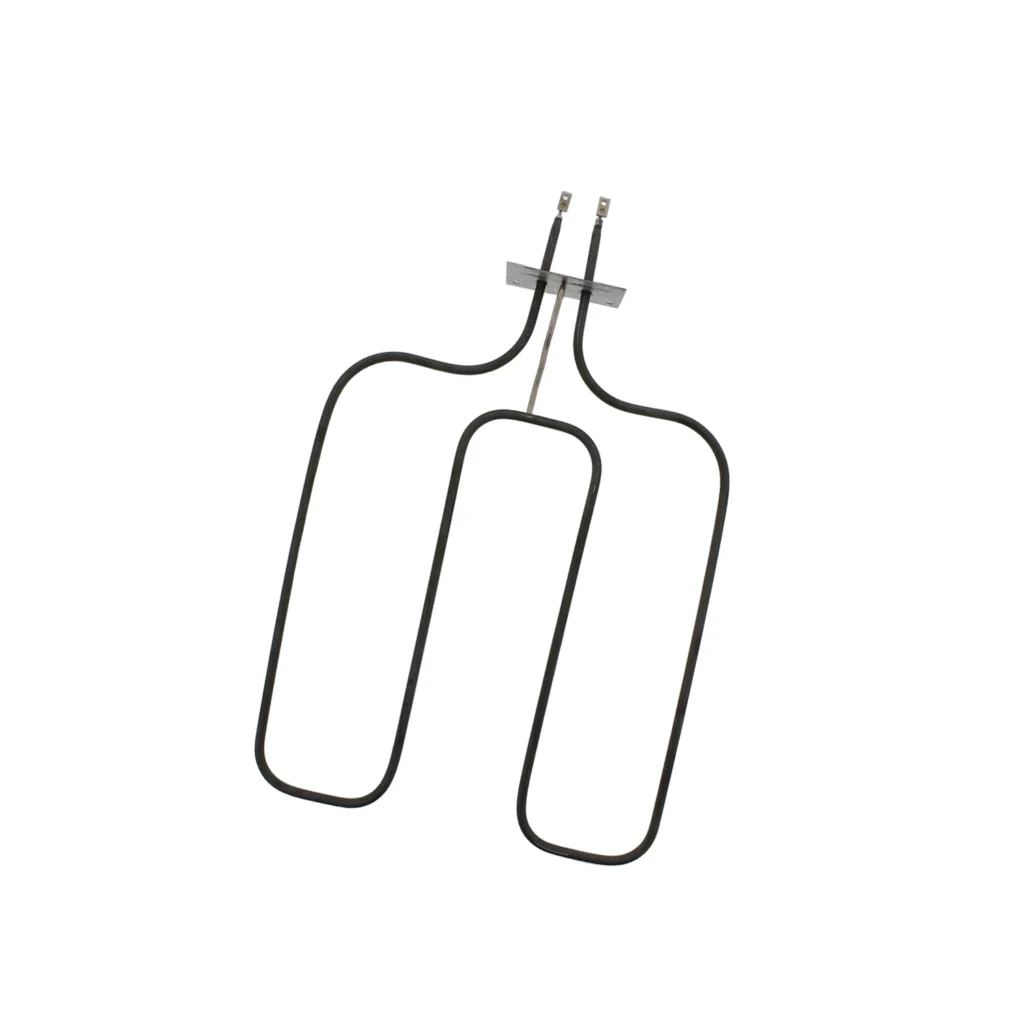
Your GE JBP24GW1 isn't browning anything under the broiler anymore. You've checked the selector switch, tested for continuity, and confirmed the broil element is shot. Now you're staring at two options: a $180 OEM part from the appliance store or a $42 aftermarket replacement. Both claim to fit. Both promise 3400 watts of broiling power. So what's actually different?
Quick Answer
For this specific part, aftermarket wins on value. The WB44X173 broil element is a simple high-resistance wire coil — there's no proprietary engineering here. You're paying 4x more for OEM branding on an identical design. Save your money unless you're flipping the house and need the GE logo visible through the oven window.
Side-by-Side Comparison
| Factor | OEM GE (WB44X173) | Heima Aftermarket |
|---|---|---|
| Price | $165–$195 | $38–$48 |
| Warranty | 90 days parts only | 1 year full replacement |
| Lead Time | 3–7 days (dealer order) | Ships same day |
| Fit & Finish | Exact OEM mounting, stamped logo | Identical terminals (2-3/4" depth, 1-1/4" apart) |
| Manufacturing | Contract-manufactured overseas | Same factories, different label |
When OEM Makes Sense
There are exactly two scenarios where I'd spend the extra $130 on the GE-branded element:
You're under manufacturer warranty. If your range is less than a year old and you're claiming a warranty repair, GE will only cover OEM parts. Using aftermarket voids the coverage. That's the one ironclad reason.
You're selling the house next month. Some home inspectors recognize part numbers. If the buyer's inspector pulls the oven apart (rare but happens), seeing "GE" stamped on the element adds perceived value. It's theater, but real estate is full of theater.
That's it. For every other situation — including commercial kitchens where I've replaced dozens of these — aftermarket performs identically.
When Aftermarket Wins
This is one of those parts where the aftermarket industry has completely figured out the recipe. The WB44X173 is a coiled nichrome wire element rated for 3400 watts at 240V. There's no circuit board, no calibration, no software. It either conducts electricity and glows red-hot, or it doesn't.
The terminal spacing is standardized: 1-1/4 inches apart, with screw-on connectors that extend 2-3/4 inches deep. This isn't a guess — it's in the installation specs. Your JKP36GxD1, JBP45WS1WH, or any of the 200+ compatible models use the exact same mounting bracket and wire harness.
What you're really paying for with OEM is the cardboard box that says "Genuine GE Parts" and the markup chain from factory to authorized distributor to appliance parts store. The heating element inside? Functionally identical.
One critical note: The replacement does NOT include the mounting bracket. If your original bracket is rusted or broken, you'll need to order that separately (part WB02X11114). The element itself just slides into the existing bracket and connects via two screw terminals.
Our Verdict
Buy aftermarket. This is a commodity part where brand loyalty costs you real money for zero performance gain. Put the $130 savings toward literally anything else — a pizza stone, a probe thermometer, half a Costco membership. Your steaks will brown just as fast under the Heima element as the GE one.
The only exception: active manufacturer warranty. Otherwise, this is one of the clearest aftermarket wins in the appliance repair world.
Frequently Asked Questions
Will an aftermarket broil element fit my specific GE model?
If your model number starts with JKP, JBP, or JSP and was made after 1995, yes. This element design (WB44X173 and its cross-references WB44X185, WB44X174, AP2031021) has been standard across GE, Hotpoint, RCA, and Kenmore wall ovens for nearly 30 years. Check your existing element's terminal spacing: if it's 1-1/4 inches between connectors, you're good. Models like the JKP40GxK2, JBP66GW1WH, and JKP78GxK1 all use this exact configuration.
How long do aftermarket broil elements typically last?
Expect 8–12 years with normal use. Broil elements fail from thermal fatigue — repeated heating and cooling cycles cause the nichrome wire to develop microcracks. This happens identically in OEM and aftermarket elements because it's simple metallurgy. If you broil daily (commercial kitchen scenario), maybe 5–7 years. Weekend warriors who broil once a month? Could see 15+ years. The warranty is 1 year, but actual lifespan depends entirely on your usage pattern.
Can I install this myself or do I need a technician?
This is a 15-minute DIY job if you're comfortable with a screwdriver. Kill power at the breaker, remove two screws holding the old element, disconnect two screw terminals, reverse the process with the new element. No soldering, no special tools. The trickiest part is supporting the element while you tighten the terminal screws — having a helper hold it saves frustration. If you've ever changed a light fixture, you can handle this. Just don't skip the breaker step. 240V will ruin your whole day.
Ready to go aftermarket?
WB44X173 · Factory direct · 1-year warranty