
Frigidaire Dishwasher Not Cleaning Dishes Properly — 5 Causes & How to Fix
You just ran a full cycle on your Frigidaire dishwasher, and the plates still have dried-on food. The glasses are cloudy. There's a coffee mug in the top rack with yesterday's latte still crusted on the rim. Sound familiar?
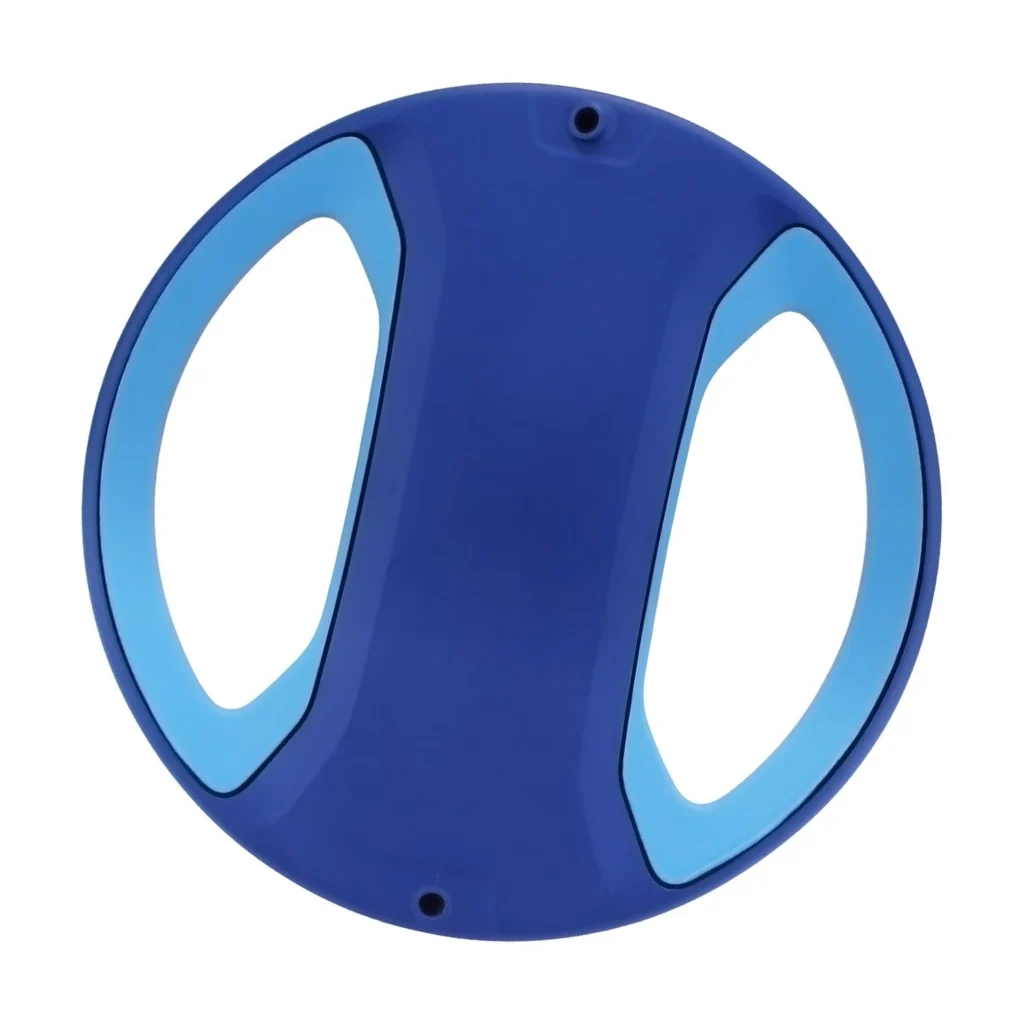
When a dishwasher stops cleaning properly, most people immediately think it's the detergent or the filter. And yeah, sometimes it is. But on models like the FGID2468UD0A, FGIP2468UD1A, and similar Frigidaire built-in dishwashers, there's a component most folks don't even know exists — the orbital sprayer (part 5304517982). When this fails, water doesn't reach the upper rack properly, and you're left with half-clean dishes every single time.
Let me walk you through the most common causes, from simplest to most involved.
Quick Symptom Check
Before you start tearing things apart, confirm what you're seeing:
- Dishes on the upper rack are consistently dirty while lower rack cleans fine
- You hear water spraying, but the upper spray arm isn't rotating
- There's weak water pressure coming from the top sprayer
- Food particles are stuck to cups and bowls on the top shelf
- Sometimes you notice water pooling at the bottom instead of circulating
If you're nodding along to two or more of these, keep reading.
Cause #1: Clogged Spray Arm Holes (Probability: 40%)
This is the easiest fix, and honestly, it's the culprit about 40% of the time. Hard water minerals, food debris, and detergent buildup can completely block those tiny holes in the spray arms.
How to diagnose: Pull out the upper rack. Remove the spray arm (it usually just twists off or pops up). Hold it up to the light. Can you see through every single hole? If not, you've found your problem.
The fix: Soak the spray arm in white vinegar for 30 minutes. Use a toothpick or small wire to clear each hole. Rinse thoroughly. Reinstall and run a test cycle.
Cost: $0 (you've got vinegar)
Time: 45 minutes including soak time
Difficulty: Easy — no tools needed
Cause #2: Failed Orbital Sprayer Assembly (Probability: 35%)
Here's where it gets interesting. The orbital sprayer (5304517982) sits at the back of the tub and feeds water to the upper spray arm. It's got a small motor and rotating mechanism that can wear out, especially if you've been running your dishwasher for 5+ years.
How to diagnose: Start a wash cycle and open the door mid-cycle (after the initial fill). Look at the back wall of the tub. You should see water jetting out from the orbital assembly and hitting the upper spray arm. If there's no water, a weak stream, or water leaking around the assembly instead of spraying through it, the orbital sprayer has failed.
The fix: You'll need to replace the orbital sprayer assembly. On models like the FGID2468UF2A and FGIP2468UD2A, this means:
- Turn off power at the breaker
- Remove the upper dish rack completely
- Locate the orbital sprayer at the back — it's the round component with water supply lines
- Disconnect the water supply line (usually a quick-connect fitting)
- Remove the mounting screws or clips
- Install the new 5304517982 assembly in reverse order
- Run a test cycle and check for leaks
Cost: $52.99 for the part
Time: 30–45 minutes
Difficulty: Moderate — basic tools, straightforward access
Cause #3: Low Water Pressure to the Dishwasher (Probability: 15%)
If your home's water pressure is low or the dishwasher's inlet valve is partially clogged, there won't be enough force to properly drive the spray arms.
How to diagnose: Check your home's water pressure at a sink. Should be 20-120 PSI (ideally 45-60). Then inspect the inlet valve screen at the bottom left of the dishwasher — it catches sediment and can get blocked.
The fix: Clean the inlet valve screen with an old toothbrush. If your home pressure is consistently low, you might need a plumber to address the main supply, but that's rare.
Cost: $0–$15 for a new inlet valve screen if damaged
Time: 20 minutes
Difficulty: Easy
Cause #4: Worn or Broken Upper Spray Arm (Probability: 7%)
The spray arm itself can crack, warp from heat, or the center hub can wear out so it doesn't spin freely anymore.
How to diagnose: Spin the upper spray arm by hand when the dishwasher is off. It should rotate smoothly with minimal resistance. Look for cracks, especially around the center mount.
The fix: Replace the upper spray arm assembly. These are usually $20-35 depending on your exact model.
Cost: $20–$35
Time: 10 minutes
Difficulty: Very easy — just pops off
Cause #5: Detergent Dispenser Malfunction (Probability: 3%)
If the detergent door doesn't open at the right time, or doesn't open fully, you're basically washing dishes with just hot water. Not ideal.
How to diagnose: After a complete cycle, open the dishwasher and check the detergent dispenser door. Is it open? Is the detergent completely dissolved? If the door is still closed or only partially open, there's your answer.
The fix: Check for obstructions preventing the door from opening (like a tall plate blocking it). If the latch mechanism is broken, you'll need to replace the dispenser assembly.
Cost: $0 if it's a loading issue, $40-70 for a new dispenser
Time: 15-40 minutes depending on replacement
Difficulty: Moderate
When to Call a Pro
Look, I'm all for DIY repairs. But if you've replaced the orbital sprayer, cleaned everything in sight, and your Frigidaire still won't clean dishes, you might have a circulation pump problem or a control board issue. Those repairs start around $200-400 in parts alone, and the diagnosis requires a multimeter and some electrical know-how.
Call a pro if:
- You hear grinding or loud humming during the wash cycle
- Water isn't draining at all
- The control panel is throwing error codes
- You've tried the fixes above and nothing changed
At that point, the service call ($100-150) might save you from buying parts you don't actually need.
Frequently Asked Questions
How long should a dishwasher orbital sprayer last?
Typically 7-10 years with normal use. If you run your dishwasher daily with hard water and don't use rinse aid, you might see failures closer to 5-6 years. The constant mineral buildup accelerates wear on the rotating mechanism inside the orbital assembly.
Can I just clean the orbital sprayer instead of replacing it?
If it's clogged with debris, sure — you can try disassembling it and flushing it out. But if the internal seals or motor mechanism have failed (which is usually why they stop working), cleaning won't help. The part costs $52.99, which is reasonable compared to a service call, so replacement is usually the smarter move.
Why does only my top rack have dirty dishes?
The lower spray arm gets direct water pressure from the circulation pump, so it's usually fine even when other components fail. The upper spray arm relies on the orbital sprayer (5304517982) to redirect water upward. When that orbital assembly clogs, leaks, or fails mechanically, the top rack doesn't get adequate water coverage. It's the #1 reason for top-rack-only cleaning issues on Frigidaire models like the FGID2468UD series.
Diagnosed the problem?
5304517982 · In Stock · Fast shipping