
OEM vs Aftermarket Washer Control Timer for Whirlpool: Honest Comparison (W10199989)
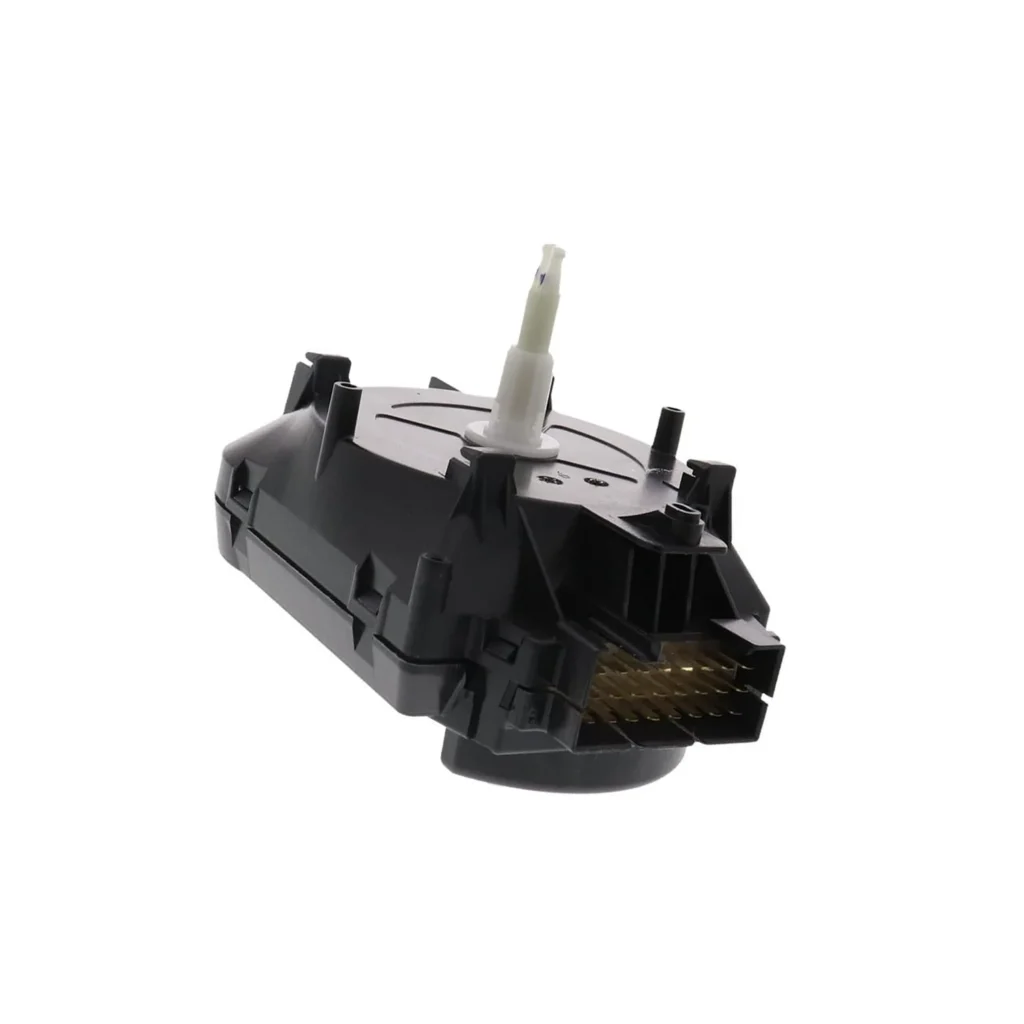
Your Whirlpool washer won't advance past the wash cycle. It just sits there, agitating endlessly until you manually turn the knob. You've diagnosed it down to the control timer — part number W10199989 — and now you're staring at a $240 OEM timer from an authorized dealer versus an $80.99 aftermarket replacement. That's a $160 difference for what looks like the exact same part.
Let's cut through the noise.
Quick Answer
For the W10199989 timer, aftermarket makes sense for 90% of home users. The OEM version offers zero functional advantage — same motor, same cam assembly, same electrical contacts. You're paying triple for a Whirlpool sticker and packaging. Save the $160 unless you're running a laundromat where you need manufacturer warranty coverage for insurance purposes.
Side-by-Side Comparison
| Factor | OEM Whirlpool | Heima Aftermarket |
|---|---|---|
| Price | $220–$260 | $80.99 |
| Warranty | 1 year parts-only | 1 year parts replacement |
| Lead Time | 3–7 days (dealer order) | Ships same day |
| Fit & Finish | White housing, branded knob | White housing, universal knob |
| Manufacturing | Contract manufacturer (often same factory) | ISO-certified facility |
| Compatible Models | Estate, Amana, Admiral, Roper, Whirlpool | Estate, Amana, Admiral, Roper, Whirlpool |
When OEM Makes Sense
There are exactly three scenarios where paying $240 for the OEM W10199989 timer is justifiable:
Commercial laundry operations. If you're running a coin-op facility or rental property laundry room, your insurance or lease agreement might require OEM parts. That's a paperwork thing, not a quality thing.
Brand-new machine still under warranty. Installing aftermarket parts can void remaining manufacturer coverage on other components. If your washer is six months old and still covered, stick with OEM to protect that warranty umbrella.
You're selling the house next month. Some home inspectors flag aftermarket parts during pre-sale inspections. An OEM sticker might smooth over a nervous buyer, even though functionally it's identical.
That's it. Those are the only legitimate reasons.
When Aftermarket Wins
For everyone else — which is most people — the aftermarket W10199989 is the smarter buy.
The timer motor is a simple synchronous motor driving a cam stack. There's no proprietary technology here. The electrical contacts either close the circuit or they don't. Aftermarket manufacturers use the same gauge wire, the same contact materials, and often produce parts in the same overseas facilities that make the "official" OEM versions.
Here's what you're actually getting with the Heima aftermarket timer: identical cam timing for Estate ETW4400XQ0, Amana NTW4500XQ0, Admiral ATW4475XQ0, and Roper RTW4440XQ0 models. Same mounting holes. Same wiring harness connector. Same 120V motor specifications.
The $160 you save buys a lot of peace of mind — like having a backup timer on hand, or finally replacing that worn-out agitator dog that's been clicking for six months.
Installation is identical for both versions: unplug the machine, remove the console screws, disconnect the wire harness, swap timers, reconnect. Twenty minutes if you've never done it. Ten if you have.
Our Verdict
Buy the aftermarket W10199989 unless you have a specific contractual or warranty reason not to. You're getting the same part for one-third the price. The money you save can go toward other deferred maintenance — or just stay in your pocket. Either way, your Roper RTW4305VQ1 won't know the difference, and neither will your clothes.
Frequently Asked Questions
Will the aftermarket timer fit my Estate ETW4400WQ1 exactly?
Yes. The W10199989 aftermarket timer uses the same mounting bracket, same shaft diameter, and same 6-wire harness connector as the OEM version. It's designed as a direct swap for Estate, Amana, Admiral, Roper, and Whirlpool models in this series.
Does using an aftermarket timer void my Whirlpool warranty?
Only if your washer is still under the original manufacturer warranty. Once that expires — typically one year from purchase — you're free to use any compatible part without consequence. For out-of-warranty machines, aftermarket parts are fair game.
How long do aftermarket washer timers typically last?
Expect 5–8 years of normal residential use, which matches OEM lifespan. Timer failure is usually caused by electrical surges or water intrusion, not manufacturing quality. Both OEM and aftermarket timers fail from the same root causes at roughly the same rate.
Ready to go aftermarket?
W10199989 · Factory direct · 1-year warranty