
GE Range Burner Not Heating — 4 Terminal Block Failures & Fixes
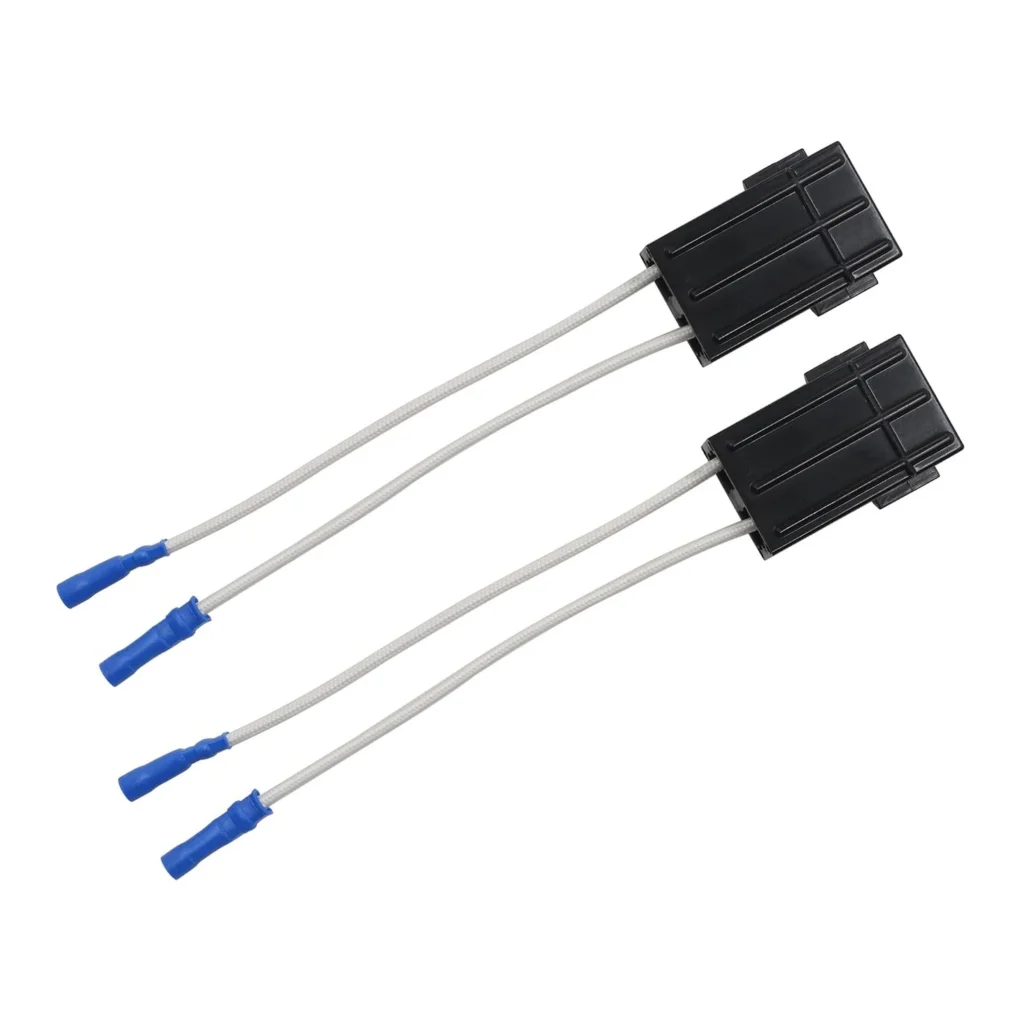
You turn the dial to high, hear the click, but your front burner stays cold. You twist it back and forth a few times — nothing. Meanwhile, the other three burners work fine. Nine times out of ten, you're looking at a failed surface element terminal block, the often-overlooked connector that transfers power from your range's wiring to the burner element itself.
The terminal block (part 9130-106 for GE, Hotpoint, and Kenmore ranges) sits behind each burner, hidden under the cooktop. It's a ceramic block with metal contacts that handle 240 volts and serious amperage every time you cook. Over months and years, those contacts oxidize, crack, or burn out — especially on the burners you use most.
This guide walks through the four most common terminal block failures, how to diagnose which one you're dealing with, and whether this is a 20-minute DIY fix or something that needs a tech.
Quick Symptom Check
Before you pull the range out, confirm you're dealing with a terminal block issue:
- One burner completely dead — dial clicks, no heat, element looks fine
- Intermittent heating — burner works sometimes, cuts out randomly
- Visible burn marks — black or brown discoloration around element plug
- Melted plastic smell — distinctive electrical burning odor when burner's on
- Element plugs in loose — doesn't seat firmly like it used to
If you're seeing two or more of these, you've almost certainly got terminal block damage. The question is whether the element itself also needs replacing.
Cause #1: Oxidized Terminal Contacts (Most Common — 45% of Cases)
What happens: The metal contacts inside the terminal block develop a layer of oxidation that prevents good electrical connection. Power can't flow properly, so your element doesn't heat.
How to diagnose: Unplug the range and pull the bad burner element out. Look at the two prongs that plug into the terminal block. If they're discolored, pitted, or have a gray-black coating, that's oxidation. Now look inside the terminal block itself with a flashlight — the metal receptacles should be shiny silver. If they're dull, dark, or corroded, you've found your problem.
The fix: Replace the terminal block (9130-106). Don't try to clean or sand the contacts — oxidation this severe means the metal's compromised. Also inspect your element prongs. If they're heavily oxidized, replace the element too, or the new terminal block will fail within weeks.
Cost: $8–15 for the terminal block, $30–50 if you need the element too.
Difficulty: Easy. Most folks finish in 15 minutes once they've accessed the block.
Cause #2: Cracked Ceramic Housing (30% of Cases)
What happens: The ceramic block itself develops hairline cracks from repeated thermal cycling. These cracks let moisture in and create electrical paths where they shouldn't exist, causing shorts or intermittent connection.
How to diagnose: After removing the element, carefully inspect the white ceramic block. Look for fine cracks running across the surface — they're sometimes hard to see until you shine light at an angle. If you've had intermittent burner operation (works for 30 seconds then cuts out, then works again), cracked ceramic is the likely culprit.
The fix: Replace the entire terminal block assembly. The ceramic can't be repaired. This is actually a good thing — it's forcing you to fix the problem properly rather than limping along with a safety hazard.
Warning: A cracked terminal block that's still somewhat functional is a fire risk. The crack will only get worse with continued use.
Cause #3: Burned-Out Contacts (20% of Cases)
What happens: Excessive current draw (often from a partially failed element) creates enough heat to actually melt or burn the metal contacts. You'll usually see obvious black burn marks, melted plastic components, or the distinctive smell of electrical fire.
How to diagnose: This one's obvious — visible damage. The terminal block will have black carbon deposits, melted areas, or the metal contacts might be welded together. Sometimes you'll see the damage extending to the wire insulation coming into the block.
The fix: Replace both the terminal block AND the element. Here's why: if the element caused enough current draw to burn out the terminal block, the element's resistance is off-spec. Installing just a new terminal block will burn that one out too, usually within days.
Also inspect the wiring leading to the terminal block. If the wire insulation is heat-damaged or brittle, that section needs to be replaced or you're just moving the failure point.
Cost: $40–65 (terminal block plus element), potentially more if wiring needs repair.
Cause #4: Loose Connection Wear (5% of Cases)
What happens: Repeated plugging and unplugging of the element (especially if done while the element's still warm) gradually widens the terminal block receptacles. The element no longer makes solid contact, creating resistance, which creates heat, which makes the problem worse.
How to diagnose: The element plugs in but feels loose — you can wiggle it side to side. When you pull it out, the prongs might have heat discoloration in specific spots rather than uniform oxidation.
The fix: Replace the terminal block. Some folks try bending the receptacles tighter with needle-nose pliers, but this rarely lasts. The metal's already fatigued from heat cycling.
Prevention tip: Always let burners cool completely before removing elements for cleaning. Hot metal expands, and forcing connections when expanded accelerates wear.
DIY Replacement Process
Replacing a terminal block on GE ranges (models JB450, JB550, JBP22, JBP24, JBP25 series and others listed) follows the same basic process:
- Kill the power — not just the burner switch, the whole circuit breaker for the range
- Remove the burner element — lift and pull straight out
- Access the terminal block — usually means lifting the cooktop (front edge lifts up on most GE ranges) and removing a couple screws
- Disconnect the wires — note wire positions or take a photo first
- Remove mounting screws — terminal block is typically held by two screws
- Install new block — reverse the process, making sure connections are tight
The actual repair takes 15–20 minutes once you've got the cooktop lifted. Accessing it is usually the most time-consuming part.
When to Call a Pro
This is honestly a straightforward DIY repair for most people — you're dealing with simple mechanical connections, not complex circuit boards. However, call a tech if:
- Multiple burners failed simultaneously — suggests a problem with the main power supply or internal wiring
- You see damaged wiring beyond the terminal block — requires running new wire through the range chassis
- The range has a glass cooktop — accessing terminal blocks on smooth-tops often requires more disassembly
- You're not comfortable working around 240V — totally valid reason to hire out
A service call for this repair typically runs $150–200 including the part. If you're already calling someone out for another issue, having them swap the terminal block adds maybe 15 minutes to their visit.
Preventing Future Terminal Block Failures
Terminal blocks eventually fail on any range that gets regular use, but you can extend their life:
- Let elements cool before removing — this is the big one
- Keep drips and spills away from burners — liquid accelerates oxidation
- Don't use oversized cookware — hanging way over the element causes uneven heating and stress
- Replace damaged elements immediately — a failing element kills terminal blocks fast
Most terminal blocks last 8–12 years with normal use. High-use burners (usually the front ones) tend to go first.
Parts Compatibility Note
Part 9130-106 replaces GE factory numbers WB17X5113, WB17X5094, AP2021559, and PS232646. It fits dozens of GE, Hotpoint, and Kenmore range models from the JB, JBP, and JBC series. Always verify your model number matches the compatibility list — terminal blocks look similar but have different pin spacing and mounting holes across product lines.
Frequently Asked Questions
Can I use my range with one burner's terminal block burnt out?
Technically yes — the other burners will work fine. But a burnt terminal block indicates a problem that involved excessive heat and possibly arcing. If it damaged the surrounding wiring or created carbon tracking on the ceramic, you've got a fire risk sitting under your cooktop. Fix it promptly rather than working around it.
Why did my terminal block fail when the element still works?
The element might test fine with a multimeter but still draw slightly excessive current under load due to internal degradation you can't see. Or the terminal block simply reached end-of-life from normal thermal cycling. Either way, if burn damage is present, replace both parts or you'll be doing this repair again soon.
How do I know if I need the element too, or just the terminal block?
If the terminal block shows oxidation or cracks but no burn marks, just replace the block. If there's visible burning, melting, or heavy carbon deposits, replace both. When in doubt, test the element with a multimeter — it should show 30–50 ohms of resistance for most surface elements. Infinite resistance means it's open (failed), and very low resistance means it's partially shorted (also failed).
Diagnosed the problem?
9130-106 · In Stock · Fast shipping