
Frigidaire Washer Door Won't Latch — 5 Causes & How to Fix
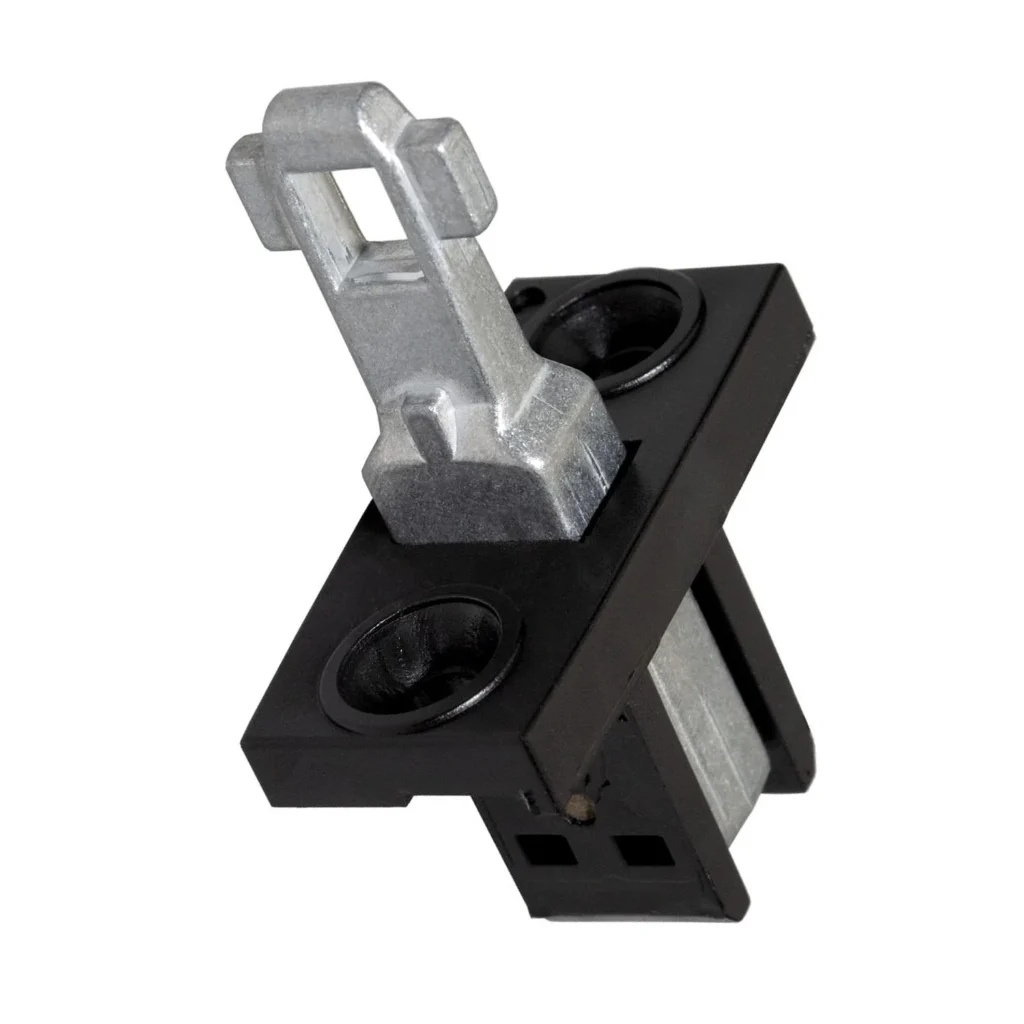
You load the washer, push the door closed, hit start — and nothing. The control panel won't respond, or it beeps at you like you forgot something. You push harder. Still nothing. The culprit? That little metal strike assembly on the door frame that the lock catches onto has either broken, shifted, or worn down to the point where your washer doesn't recognize the door as closed.
The door strike (part 134937300) is one of those components that takes a beating every single load. It's not uncommon to see it fail after 5-7 years of regular use, especially on Electrolux and Frigidaire front-loaders like the EIFLS55IIW1, EIFLS60JIW0, and EIFL55IIW series.
Quick Symptom Check
Your washer might have a failed door strike if you're experiencing:
- Door won't stay closed — clicks but pops back open
- No response when you press start — control panel stays dark or shows error
- Error code displayed — E47, E4C, or door lock error on display
- Door closes but washer won't start cycle — lights up but won't engage
- Visible damage to strike plate — bent, cracked, or missing entirely
Cause #1: Broken or Missing Strike Assembly
Probability: 65%
The strike assembly is a metal plate mounted on the door frame that the electronic lock mechanism grabs onto. If it's cracked, bent, or completely broken off, the lock has nothing to catch. This is the most common failure, especially if you've ever accidentally yanked the door open while it was still locked.
How to diagnose: Open the door and inspect the right side of the door opening (on the frame, not the door itself). You should see a small metal bracket with a plastic housing. If it's hanging loose, cracked, or the metal tongue is bent, that's your problem.
The fix: Replace the strike assembly. It's held in with two screws. Takes about 15 minutes and requires only a Phillips screwdriver. Make sure the new strike is aligned flush with the frame before tightening — if it sits even 2mm too far out, the lock won't engage properly.
Cause #2: Loose Mounting Screws
Probability: 20%
Sometimes the strike itself is fine, but the screws have vibrated loose over time. This causes the strike to shift position slightly — enough that the door lock mechanism can't find it consistently.
How to diagnose: Gently wiggle the strike assembly. If it moves at all, the screws are loose. You might also notice the door latches successfully sometimes but not others — that's the classic symptom of a shifting strike.
The fix: Tighten the two mounting screws. If they won't hold (stripped holes), you'll need to replace the entire strike assembly anyway, as the mounting points are part of the assembly.
Cause #3: Door Lock Actuator Failure
Probability: 10%
Less common, but worth checking: the strike is fine, but the electronic lock mechanism on the door itself has failed. The lock motor tries to engage but can't generate enough force to catch the strike.
How to diagnose: With the door open, start a cycle and listen carefully at the door lock area. You should hear a distinct motorized click as the lock tries to engage. If you hear nothing, or hear multiple weak clicking attempts, the lock actuator is likely bad.
The fix: This requires replacing the door lock assembly (different part), not the strike. But check the strike first — it's cheaper and easier.
Cause #4: Misaligned Door Hinges
Probability: 3%
If someone's leaned heavily on the door or if the washer has been moved roughly, the door hinges can shift slightly. This changes where the door sits in the frame, causing the lock to miss the strike.
How to diagnose: Close the door slowly and watch the gap around the door seal. If one side has a noticeably larger gap than the other, the door's sitting crooked.
The fix: You can sometimes adjust the door by loosening the hinge screws slightly and repositioning, but honestly, if the hinges are bent, you're looking at a more complex repair. Try the strike replacement first.
Cause #5: Damaged Door Frame
Probability: 2%
Impact damage or a manufacturing defect can crack the plastic frame where the strike mounts. You'll see the strike assembly itself is fine, but the frame behind it is split or warped.
How to diagnose: Remove the strike and inspect the mounting area carefully. Look for cracks radiating from the screw holes.
The fix: If the frame is cracked, you can try a plastic epoxy repair for a temporary fix, but long-term you're looking at either living with occasionally having to jiggle the door or replacing the entire front panel assembly (expensive).
When to Call a Pro
The door strike replacement is genuinely DIY-friendly — if you can use a screwdriver, you can do this repair. However, call a tech if:
- You've replaced the strike and the door still won't latch
- The door frame itself is cracked or damaged
- You're getting error codes even with a new strike installed
- The door lock mechanism is making grinding or burning smells
Those scenarios indicate either electrical issues or frame damage that goes beyond a simple part swap.
Frequently Asked Questions
Will any door strike work on my Frigidaire washer?
No — you need the exact replacement part for your model series. The 134937300 fits most Electrolux and Frigidaire front-loaders made between 2008-2018, including EIFLS55, EIFLS60, and EIFL models. Check your model number against the compatibility list before ordering. The strike position and dimensions vary between model families.
Can I just glue the broken strike back together?
Don't. The strike takes significant force every time the lock engages — we're talking about the lock motor pulling with enough force to keep the door sealed against 20+ gallons of water spinning at high speed. Any glue repair will fail, probably mid-cycle, and then you'll have water on the floor. Just replace it properly with the OEM part.
How long does a door strike typically last?
Under normal use, 7-10 years. But if you've got kids who slam the door, or if you frequently stop mid-cycle and yank the door open before it unlocks, you'll wear it out faster. The most common failure point is stress cracks where the metal tongue meets the plastic housing — those develop from repeated impacts over time.
Diagnosed the problem?
134937300 · In Stock · Fast shipping