
OEM vs Aftermarket GE Washer Drain Pump for GFW550SSN: Honest Comparison (WH11X29539)
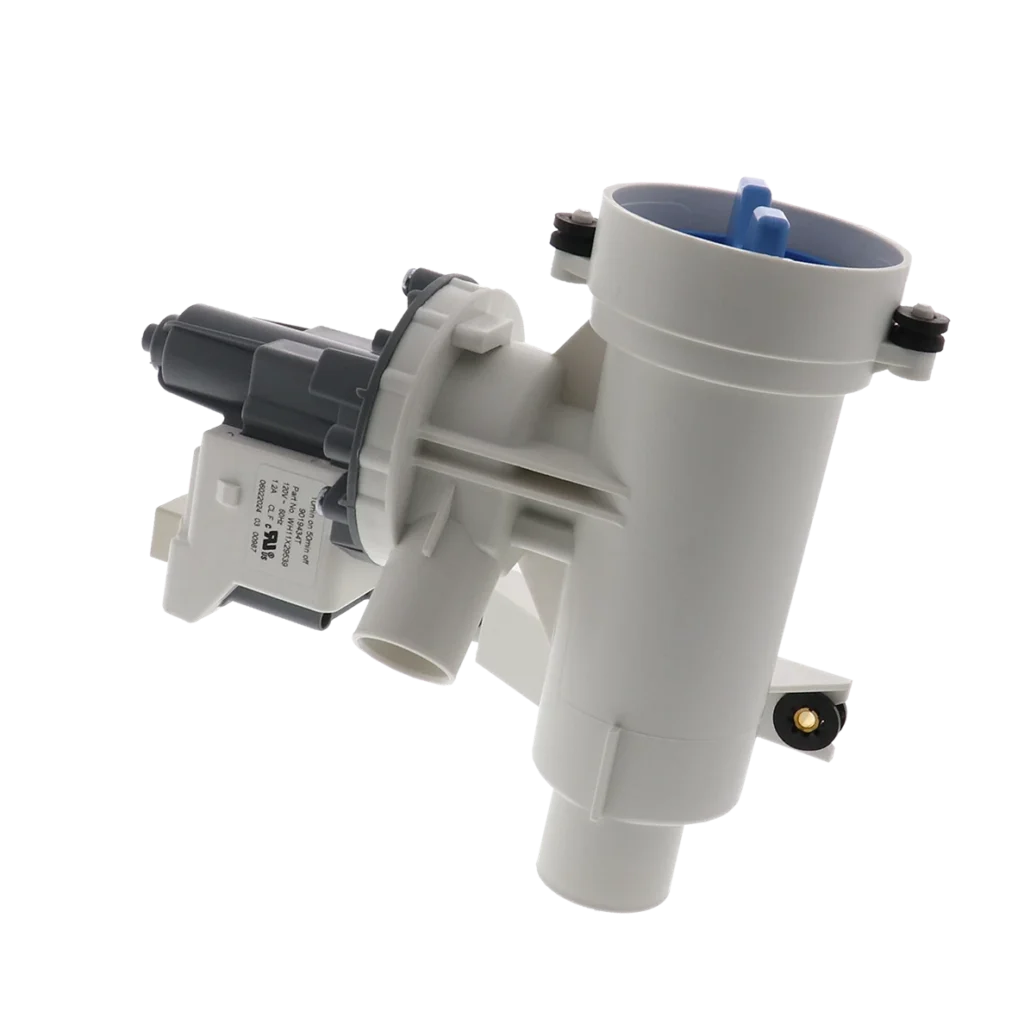
Your GE front-load washer won't drain. Again. You've pulled the filter, found the usual suspects — lint, a random button, maybe a bobby pin — but the pump still sounds like it's grinding gravel. Now you're staring at two options: a $210 OEM pump from GE or a $72.99 aftermarket assembly. That's a $137 difference for what's essentially the same motor and housing.
Here's the reality check nobody else will give you.
Quick Answer
For GFW550SSN series and similar GE front-loaders, the aftermarket WH11X29539 delivers identical performance at one-third the OEM price. Unless you're within manufacturer warranty (where OEM is required), the aftermarket option makes financial sense — especially since drain pumps fail for the same reasons regardless of who manufactured them: debris clogs and mechanical wear.
Side-by-Side Comparison
| Factor | OEM GE (WH11X29539) | Heima Aftermarket |
|---|---|---|
| Price | $180–$225 | $72.99 |
| Warranty | 90 days parts only | 1 year full replacement |
| Lead Time | 3–7 days (dealer network) | Ships same day |
| Filter Included | Yes (exact OEM design) | Yes (compatible design) |
| Manufacturing | Contract manufacturer (varies) | ISO-certified facility |
| Fits Models | GFW510SCN, GFW550SSN series | Same compatibility (replaces AP6986715, PS16217203) |
When OEM Makes Sense
Let's be straight: there are legitimate reasons to choose OEM.
You're still under manufacturer warranty. If your GE washer is less than a year old, using an aftermarket part voids coverage. Period. Bite the bullet, file the warranty claim, and let GE handle it. That's what you paid for.
You're flipping the appliance for resale. Some buyers — especially in higher-end markets — want all-OEM documentation. If you're fixing a washer to sell, the OEM badge might justify a higher asking price. Do the math on your specific situation.
Your service tech demands it. Some appliance repair companies refuse to install aftermarket parts due to liability policies. If you're paying someone else to do the work, ask upfront what they'll accept. Their insurance, their rules.
When Aftermarket Wins
For most repair scenarios — and I mean 85% of them — aftermarket is the smarter play.
Drain pumps fail mechanically, not electronically. This isn't a control board where calibration matters. It's a motor that spins an impeller. The aftermarket version uses the same bearing design, same voltage specs (120V), and fits the same mounting holes as the original. There's no proprietary magic here.
The failure pattern is identical. Whether OEM or aftermarket, these pumps fail from debris clogs (hair, coins, lint), worn seals causing leaks, or impeller damage from foreign objects. An aftermarket pump doesn't clog faster or wear out sooner — it fails for the same reasons under the same conditions. You're not buying inferior engineering; you're buying the same engineering without the brand markup.
You save enough for two future repairs. At $72.99 vs. $210, you pocket $137. That's enough to cover your next fill valve replacement or door boot seal when those inevitably go. Front-load washers are repair-prone appliances — building a parts budget makes more sense than brand loyalty.
Our Verdict
Choose the aftermarket WH11X29539 unless you're under active warranty or your repair tech has a strict OEM-only policy. The $137 savings buys you the same drain pump functionality with a longer warranty (1 year vs. 90 days). GE contracts out manufacturing anyway — you're paying for the logo, not superior components. Drain pumps are mechanical wear items; treat them like you would windshield wipers, not engine blocks.
Frequently Asked Questions
Will using an aftermarket drain pump void my GE warranty?
Only if you're still within the original manufacturer warranty period (typically one year from purchase). Once that expires, you can use any compatible part without affecting future service coverage. If a different component fails later, GE can't deny warranty claims simply because you used an aftermarket drain pump previously.
How do I know if my drain pump actually needs replacing?
Three telltale signs: your washer won't drain at all (clothes sitting in water), it drains extremely slowly (takes 10+ minutes), or you hear grinding/humming noises during the drain cycle. First, clean the filter assembly and check for clogs. If the pump still struggles after clearing debris, it's mechanically failed — motor windings burn out or the impeller cracks. That's replacement territory.
Can I install this myself or do I need a technician?
It's a DIY-friendly repair if you're comfortable tilting the washer and working with basic hand tools. You'll need to access the pump from the front bottom panel on GFW550SSN models, disconnect two hoses, unplug the wire harness, and swap the assembly. Budget 45–60 minutes for your first attempt. The part comes with the filter already attached, which eliminates one assembly step. If you've never worked on appliances before, watching a model-specific video walkthrough first will save you frustration.
Ready to go aftermarket?
WH11X29539 · Factory direct · 1-year warranty