
Whirlpool Washer Won't Start or Lock — 5 Causes & How to Fix
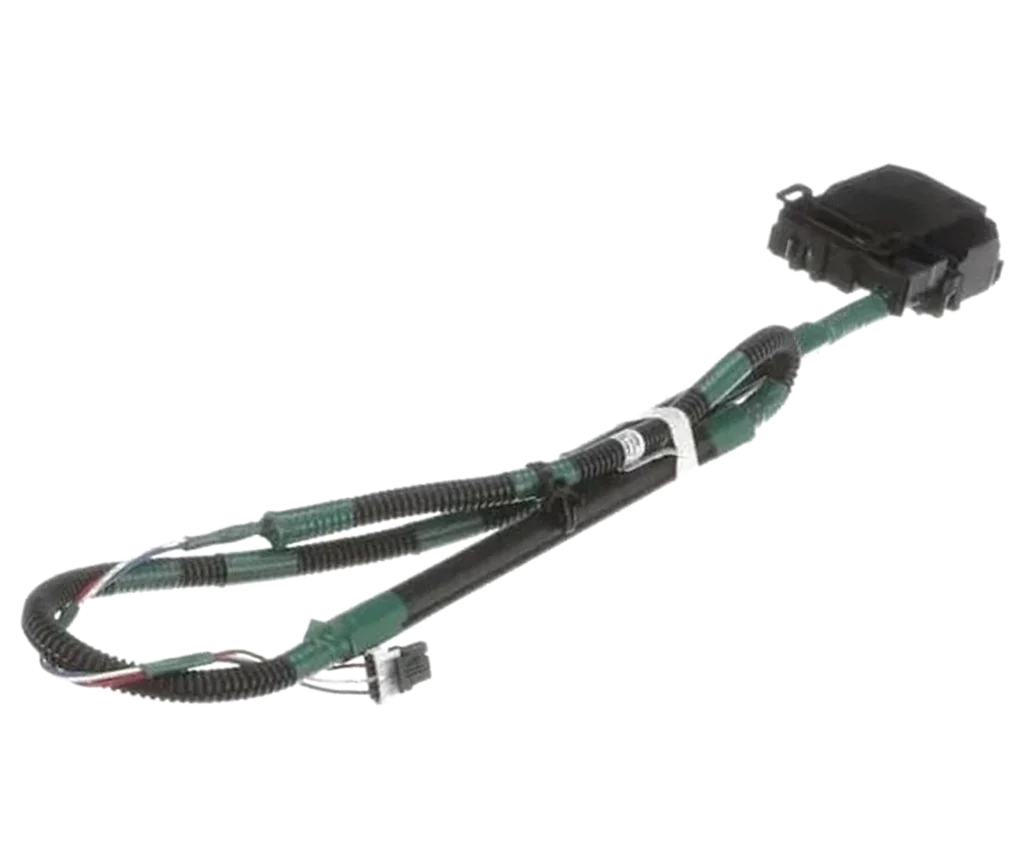
You load the laundry, add detergent, hit start — and nothing. The lid won't lock, or it locks but the cycle never begins. On Whirlpool top-load models like the WTW5105HW2 and WTW7120HC0, this is almost always the lid lock assembly failing to engage properly. The washer's safety interlock won't allow operation unless it confirms the lid is secured, and when that signal doesn't come through, you're stuck with wet clothes and a dead machine.
Quick Symptom Check
Before you start troubleshooting, confirm what's actually happening:
- Lid closes but won't lock — you hear no click, no engagement sound
- Lid locks but washer won't start — lights work, but the drum never fills or spins
- Error code displayed — models with digital displays may show F5 E2 or similar lid lock errors
- Clicking sound at the lid — mechanism tries to engage but fails
- Lid feels loose when closed — no resistance, latch doesn't catch
Cause #1: Failed Lid Lock Assembly (Most Likely — 65% of Cases)
The W11394572 lid lock assembly contains both the physical locking mechanism and the electrical switch that signals the control board. When the plastic locking arm wears out or the internal switch fails, the washer can't verify the lid is secure. This is the single most common failure point on Whirlpool top-loaders built after 2015.
How to diagnose:
- Unplug the washer and open the lid
- Remove the top panel (usually two screws at the back)
- Locate the lid lock assembly — it's directly under where the lid closes
- Manually press the locking arm — if it moves freely without spring resistance, it's failed
- Check for visible cracks in the plastic housing or broken wire connections
The fix: Replace the entire lid lock assembly (W11394572 or compatible W11032875). Don't try to repair individual components — the assembly is designed as a sealed unit. Cost: $35–$55 for the part, 20 minutes to install.
Cause #2: Misaligned Strike Plate (20% of Cases)
The strike plate is the small metal piece attached to the underside of the lid that the lock catches. If your washer has been moved recently, or if the lid's been slammed repeatedly, this plate can shift position. The lock mechanism works fine, but it's grabbing at air.
How to diagnose:
- Open the lid and look at the strike plate's position
- Compare its alignment to the lock assembly below
- Close the lid slowly and watch if the strike plate enters the lock opening cleanly
The fix: Loosen the strike plate screws, reposition it so it aligns perfectly with the lock, tighten. Test by closing the lid slowly and watching the engagement. No parts needed if you catch this early.
Cause #3: Faulty Wiring or Connector Corrosion (10% of Cases)
The lid lock assembly connects to the main control board via a wire harness. If moisture has gotten into the connections — common in basements or laundry rooms with poor ventilation — corrosion interrupts the electrical signal. The lock might physically engage, but the control board never receives confirmation.
How to diagnose:
- Unplug the washer
- Access the lid lock assembly connections
- Disconnect the wire harness and inspect the pins — look for green corrosion or white crusty buildup
- Check the wires themselves for fraying or damage where they flex during lid movement
The fix: Clean corroded connections with electrical contact cleaner and a small wire brush. If wires are damaged, replace the harness. If corrosion is severe, you'll likely need to replace the lid lock assembly anyway since internal contacts are probably damaged too.
Cause #4: Control Board Communication Error (3% of Cases)
On models like the WTW8120HW0, the main control board occasionally glitches and stops recognizing the lid lock signal even when everything's working mechanically. This usually happens after a power surge or if the machine was unplugged while mid-cycle.
How to diagnose:
- Unplug the washer for 60 seconds to reset the control board
- Plug back in and try a cycle
- If it works once then fails again, the board's likely at fault
The fix: First, try a hard reset. If that doesn't solve it permanently, the control board may need replacement ($150–$300 installed). But test the lid lock assembly first — it's way cheaper and far more likely.
Cause #5: Damaged Lid Hinge Creating Pressure Issues (2% of Cases)
If the lid itself doesn't close flush because a hinge is bent or worn, the strike plate won't make proper contact with the lock. You'll see a small gap when the lid's "closed," or one side sits higher than the other.
How to diagnose:
- Close the lid and look at it from eye level — both sides should be perfectly even
- Press down gently on different spots — if one side flexes more, the hinge is compromised
The fix: Replace the damaged hinge assembly. These are model-specific, so you'll need your exact model number from the data plate inside the washer.
When to Call a Pro
Replacing the lid lock assembly is straightforward — if you can use a screwdriver and follow a diagram, you can do it. But call a technician if:
- You've replaced the lid lock and strike plate but still have the problem
- The control board shows multiple error codes beyond just the lid lock
- You're uncomfortable working around electrical connections
- The washer is still under warranty (DIY repairs can void coverage)
Expect to pay $150–$250 for a service call with parts. The lid lock assembly itself is only $35–$55, so you're mostly paying for labor and diagnosis time.
Frequently Asked Questions
Will the washer work at all if the lid lock is broken?
No. The lid lock is a safety feature — the washer absolutely will not start any cycle if it can't confirm the lid is secured. You might see lights and hear beeps, but the drum won't fill or spin. Older washers without lid locks would operate with the lid open, but anything manufactured after about 2010 has this safety interlock built in.
Can I bypass the lid lock to finish a load of laundry?
Technically possible but extremely dangerous. Some people jumper the wire connections to trick the control board, but this means the washer can spin at 1000+ RPM with the lid open. That's a recipe for serious injury if anyone reaches in, and it voids your warranty. Just replace the lock — it takes 20 minutes.
Why did my lid lock fail after only 3 years?
The plastic locking arm in the W11394572 assembly cycles thousands of times — every single load. On models like the WTW5105HW1 and WTW6120HC1, the mechanism is exposed to humidity and detergent residue that can accelerate wear. Three to five years is actually typical lifespan for these assemblies. The good news: they're inexpensive and easy to replace.
Diagnosed the problem?
W11394572 · In Stock · Fast shipping